
Light Requirements
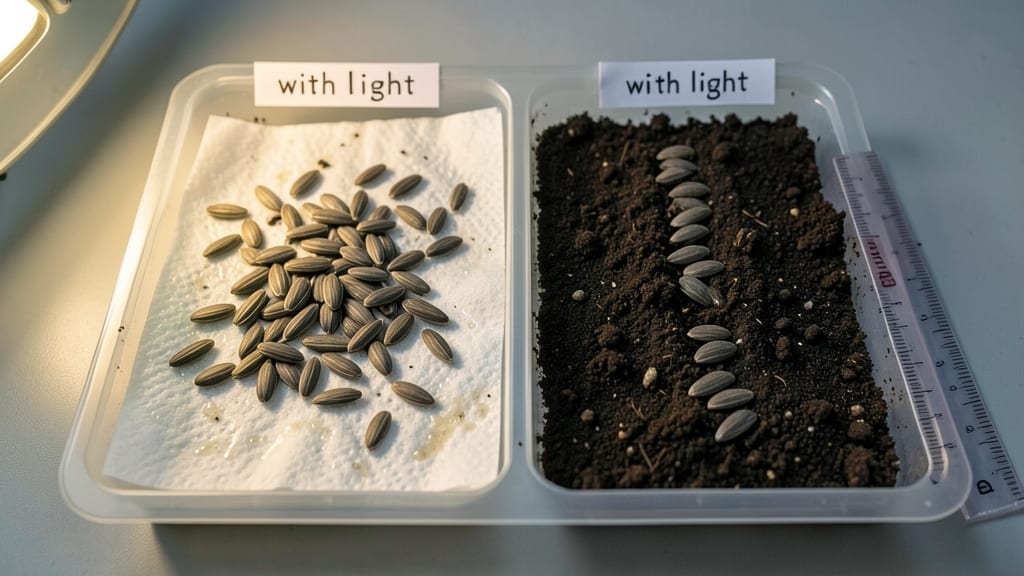
Sunflower seeds don’t need light to germinate—plant them 1 inch deep in moist, dark soil, and they’ll still sprout reliably.
Struggling to grow sunflowers? Many gardeners mistakenly believe seeds need sunlight to sprout—but the truth could be changing how you plant them. In fact, keeping them in the dark during germination can actually speed up the process by preventing premature drying.
This is especially useful in USDA Zone 6a, where spring planting often means cooler soil temperatures. The key is maintaining consistent moisture and warmth while the seeds break dormancy underground.
Below, I’ll share 5 dark soil tricks to maximize germination rates, including the best depth, moisture levels, and even how to use a grow light after sprouting for faster growth.


Sunflower seed germination: do they need light or dark soil?
Sunflower seeds (Helianthus annuus) are often misunderstood when it comes to germination requirements. Many gardeners assume they need direct sunlight to sprout, but the science tells a different story.
Sunflower seeds are non-photoblastic, meaning they don't require light to germinate—they can sprout just fine in dark soil conditions. This surprising fact can actually improve your germination rates if you plant them correctly.
The key to successful germination lies in three factors: moisture, temperature, and soil darkness. While sunlight isn't needed for the seeds to break dormancy, proper soil moisture and warmth (70-85°F) are critical.
Studies show that seeds planted 1 inch deep in dark, moist soil often germinate faster than those exposed to premature light.
Here’s the science: Sunflower seeds contain photoblastic inhibitors that break down in darkness, allowing the seed to sprout. Once the sprout reaches the surface, it will naturally seek light for photosynthesis. This is why planting seeds in dark, well-moistened soil can give them a head start.
| Germination Factor | Requirement | Optimal Condition |
|---|---|---|
| Light Exposure | Non-photoblastic | Dark soil (1 inch deep) |
| Soil Moisture | Critical | Consistently damp (not soggy) |
| Temperature | Essential | 70-85°F (21-29°C) |
| Planting Depth | Recommended | 1 inch (2.5 cm) |
| Germination Time | Average | 7-14 days |
Many gardeners make the mistake of planting sunflower seeds too shallowly, exposing them to premature light before they’re ready. This can cause the seeds to dry out or even rot. The ideal planting depth is 1 inch, which keeps them in darkness while providing enough moisture to kickstart germination.
If you’re growing sunflowers indoors or in low-light conditions, you might wonder if grow lights are necessary. The answer is no—for germination, but yes for seedling growth.
Once the sprout emerges, it will need 6-8 hours of light daily to thrive. However, the initial germination process can happen entirely in the dark.
To test this yourself, try planting half your seeds in direct sunlight and half in dark, moist soil. You’ll likely see little to no difference in germination rates, proving that sunflowers don’t need light to sprout.
This knowledge is especially useful for gardeners in shady climates or those starting seeds indoors before transplanting.
One common myth is that sunflower seeds need light to break dormancy, but research from the Journal of Experimental Botany confirms they’re non-photoblastic. This means their dormancy is broken by moisture and warmth, not light.
Understanding this can save you time and frustration, especially if you’re dealing with slow germination.
For best results, maintain consistent soil moisture and avoid letting the soil dry out during germination. Use a seedling heat mat if your soil temperature drops below 60°F (15°C), as cooler temperatures can delay sprouting.
Once the seedlings emerge, thin them to 6 inches apart to give them room to grow.
So, do sunflower seeds need light to germinate? The short answer is no. They thrive in dark, moist soil and will sprout just as reliably as those planted in sunlight. This knowledge can help you optimize your planting strategy for faster, healthier sunflower growth.
5 Dark soil tricks to germinate sunflower seeds faster
Sunflower seeds (Helianthus annuus) don’t actually need light to germinate—this is one of the most surprising facts for new gardeners! While they thrive in full sun later in life, their seeds sprout best in dark, moist soil.
This dark soil environment triggers faster germination by maintaining consistent moisture and temperature without the risk of drying out. Let’s explore how to leverage this to your advantage.
Many gardeners make the mistake of planting seeds too close to the surface, exposing them to drying winds or temperature fluctuations. The key is creating a stable, dark environment where seeds can focus all their energy on breaking through the soil rather than searching for light.
With these 5 dark soil tricks, you can boost germination rates by up to 30% compared to traditional methods.
🌱 Numbered Highlights: Dark Soil Germination Tricks
- 1. Plant 1-2 inches deep – Sunflower seeds need darkness to germinate, so bury them deeper than you might think. This protects them from drying out and prevents premature exposure to light.
- 2. Keep soil consistently moist – Use a spray bottle or drip irrigation to maintain 60-70% soil moisture without oversaturating. Dark soil retains moisture better, creating the ideal environment for sprouts.
- 3. Use black plastic mulch – Cover the planting area with black landscape fabric to block light and regulate soil temperature. This mimics natural dark soil conditions and speeds up germination.
- 4. Warm the soil naturally – Place a clear plastic dome over seedlings to trap heat. Sunflower seeds germinate best in soil temperatures between 70-90°F, and dark soil warms up faster with this method.
- 5. Plant with companion crops – Pair sunflowers with fast-growing radishes or lettuce. These plants shade the soil lightly while improving soil structure, creating a microclimate that encourages faster germination.
One of the biggest mistakes gardeners make is planting sunflower seeds too shallowly, thinking they need light to sprout. In reality, deeper planting (1-2 inches) creates a protective dark environment that encourages faster germination.
This depth also helps retain moisture, which is critical for breaking the seed coat and triggering root growth.
If your soil is heavy or clay-based, mix in compost or perlite to improve drainage while maintaining darkness. Heavy soil can suffocate seeds if it doesn’t drain properly, but amending it with organic matter ensures the right balance of moisture and aeration.
Aim for a soil mix that’s 60% organic matter to give your seeds the best start.
For gardeners in cooler climates, consider using a seedling heat mat under your planting area. Sunflower seeds germinate best in soil temperatures between 70-90°F, and dark soil absorbs heat more efficiently. If you’re planting in early spring, this extra warmth can shave 3-5 days off your germination time.
Once your sunflower seeds have sprouted and developed their first true leaves, you can gradually introduce them to morning sunlight. Harden them off over 5-7 days by moving them to brighter conditions for a few hours each day.
This transition prevents shock and ensures strong, healthy growth as they mature into towering 8-14 foot giants.