
Flowers
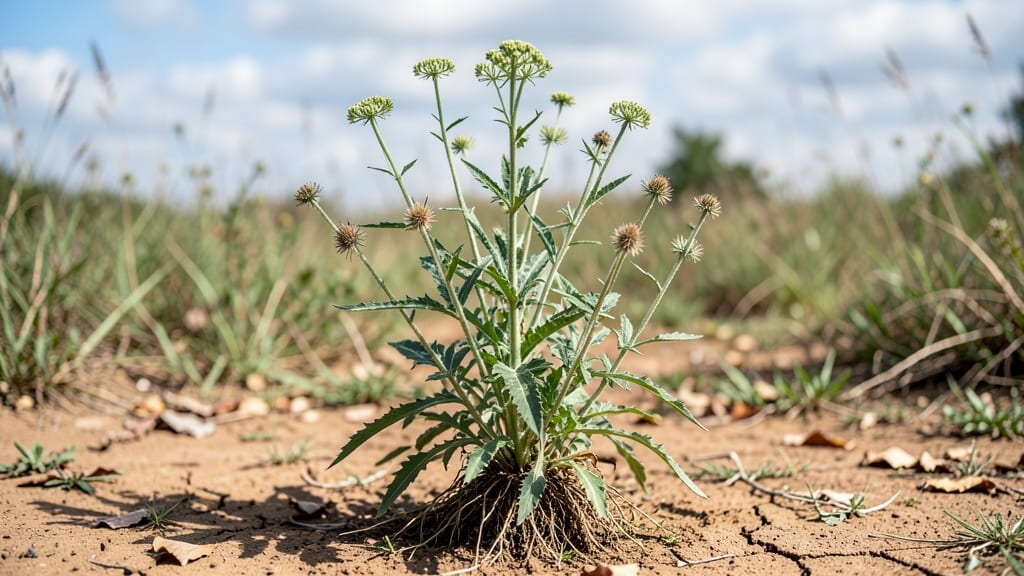
Ragweed does flower—every year, and it’s the main reason your allergies flare up in late summer.
If you’ve ever sneezed uncontrollably during those golden weeks, ragweed might be the hidden culprit—but do you know when it flowers or why it causes such severe reactions? The answer lies in its tiny, wind-borne pollen, which spreads farther and faster than you might think.
This invasive weed thrives in fields, roadsides, and even cracks in your pavement, releasing pollen from July through October—just when you’d least expect it. Understanding its lifecycle is the first step to managing symptoms, whether you’re dealing with itchy eyes or a garden takeover.
Below, I’ll break down exactly when ragweed blooms, how to spot it before it spreads, and the simplest ways to reduce its impact—so you can breathe easier during allergy season.
When does ragweed flower and how long does pollen season last?
Ragweed (Ambrosia spp.) is one of the most notorious allergy triggers in North America, but many people don’t realize it starts its life cycle as a harmless green plant before transforming into a pollen powerhouse.
Understanding its flowering timeline can help you prepare for pollen season and take proactive steps to reduce symptoms. The key is knowing that ragweed’s flowering window directly correlates with your allergy misery.
Most ragweed species begin flowering in late July or early August, with peak pollen production occurring between August and October. However, the exact timing depends on your USDA hardiness zone and local climate conditions.
In warmer southern regions, ragweed may start flowering as early as June, while northern areas might see delayed blooms until September. This variability makes it challenging to pinpoint a universal start date.
Here’s a seasonal breakdown of ragweed’s flowering cycle and pollen production that every gardener and allergy sufferer should know:
Ragweed’s pollen season typically lasts 6-8 weeks, but in some regions with mild winters, it can stretch into November. The plants release pollen continuously during daylight hours, with peak production between 5 AM and 10 AM.
This is why allergy sufferers often feel the worst first thing in the morning—ragweed pollen has had all night to accumulate and get stirred up by wind or activity.
Climate plays a huge role in pollen spread. Warmer temperatures and low humidity create ideal conditions for ragweed to release more pollen, while rain can temporarily reduce airborne particles. In drought years, ragweed may produce even more pollen as a survival strategy, making symptoms worse.
If you’re in a rural or agricultural area, expect higher pollen counts due to larger ragweed populations.
One surprising fact is that ragweed pollen can travel hundreds of miles on wind currents, meaning even urban dwellers far from fields can suffer. The pollen is also incredibly lightweight—just 15-20 microns in diameter—allowing it to stay airborne for days.
This explains why ragweed allergies affect 26 million Americans annually, according to the Asthma and Allergy Foundation of America.
If you’re a gardener, knowing ragweed’s flowering timeline helps you time removal efforts. The best time to pull or mow ragweed is before it flowers (late spring to early summer), but if you miss that window, focus on removing seed heads in fall to prevent next year’s pollen.
Even dead plants can release trapped pollen when disturbed, so handle them carefully.
For allergy sufferers, tracking local pollen forecasts becomes essential during August and September. Apps like Pollen.com or the National Allergy Bureau provide real-time data, helping you plan outdoor activities or adjust medication.
If you’re prone to ragweed allergies, consider closing windows, using air purifiers, and showering after being outside to wash away pollen.
Remember, ragweed isn’t just a nuisance—it’s a highly efficient pollen producer that thrives in disturbed soils, roadside ditches, and even cracks in pavement. By understanding its lifecycle, you can minimize its impact on your garden and your health.
The key is acting early, whether that means removing plants before they flower or preparing for pollen season with allergy-proofing strategies
Why ragweed pollen triggers allergies: the science behind the reaction
Yes, ragweed does flower, and those flowers are the root cause of millions of seasonal allergies. While its blooms may look harmless with their greenish-yellow clusters, they produce some of the most potent allergenic pollens in nature.
The real problem? These flowers don't need bees—they rely on the wind to spread their pollen, making them invisible invaders in your yard.
When ragweed flowers, each plant can release over 1 billion grains of pollen during its peak season. That's why even a single plant can trigger symptoms in sensitive individuals.
The pollen grains are incredibly lightweight—just 19 microns in diameter—allowing them to travel for miles on the wind and easily enter your nose, eyes, and lungs.
Once inhaled, ragweed pollen acts like a foreign invader to your immune system. Your body mistakes the pollen proteins for harmful substances, triggering the release of histamine and other chemicals. This immune response leads to classic allergy symptoms like sneezing, itchy eyes, and nasal congestion.
⚠️ callout warning ⚠️
Does ragweed flower? Absolutely—and it starts as early as July in many regions! These tiny, greenish blooms are invisible to the naked eye but pack a powerful allergic punch. Once flowering begins, pollen production continues until the first frost, making August through October the peak allergy season. The key to reducing symptoms? Remove plants before they flower or they'll release pollen for weeks or even months.
The reason ragweed pollen is so effective at provoking allergies lies in its unique protein structure. Ragweed produces Amb a 1, a protein that closely resembles proteins found in some foods (like bananas and melons), which is why some allergy sufferers experience oral allergy syndrome when eating these foods.
Your immune system's overreaction to ragweed pollen isn't just uncomfortable—it can become more severe with each exposure. This phenomenon, called sensitization, explains why some people's allergies worsen over time. The more your immune system encounters ragweed pollen, the more aggressive its response becomes.
Understanding why ragweed pollen triggers allergies helps explain why it's such a persistent problem. Unlike many plants that rely on insects for pollination, ragweed's wind-dispersed pollen has no natural predators and can travel up to 400 miles from its source.
This makes it nearly impossible to avoid completely once it's in your area, but knowing its flowering patterns can help you plan ahead for allergy season.