
Flowers
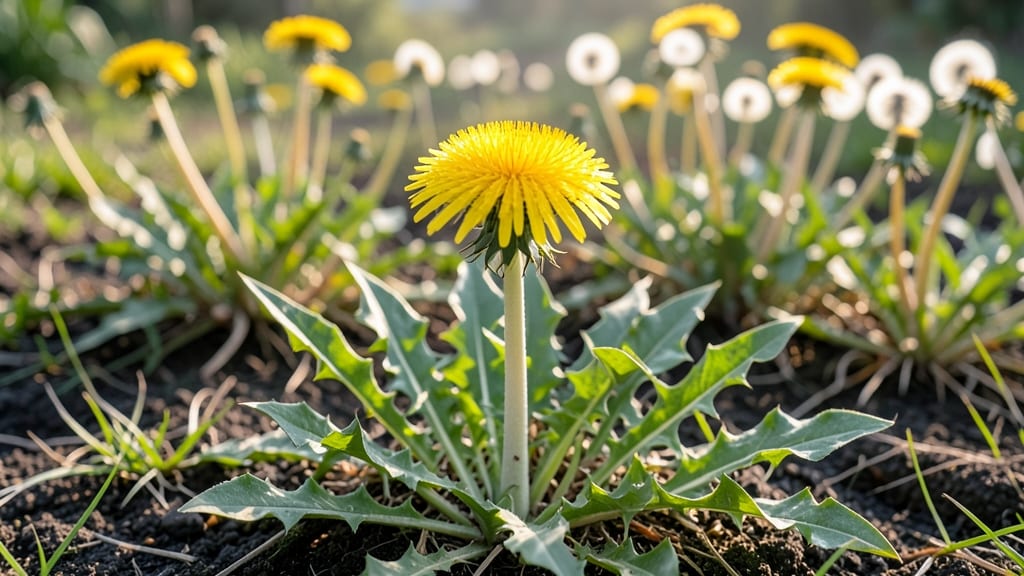
Dandelions flower when temperatures rise and daylight stretches, typically from early spring to late summer in most regions.
Those bright yellow blooms popping up in your lawn or garden aren’t just weeds—they’re nature’s early pollinators, announcing their annual cycle with a burst of color that can last for months.
But timing isn’t one-size-fits-all: whether you’re in Zone 6a or a warmer climate, factors like frost dates and daylight hours shift when you’ll spot those cheerful 🌼 faces.
Here’s what you need to know about their seasonal stages, how climate triggers blooms, and simple ways to observe—or manage—their flowering cycle.
Dandelion flowering seasons by climate Zone: when to expect blooms
If you've ever spotted dandelion blooms pushing through your lawn or garden beds, you know they're hard to miss with their bright yellow flowers. But did you know their flowering windows vary dramatically depending on your USDA hardiness zone?
Understanding these patterns helps you predict when to expect those cheerful blooms—or when to prepare for their arrival.
Dandelions (Taraxacum officinale) are perennial plants that thrive across nearly all U.S. climates, from the coldest Zone 3 to the warmest Zone 10. Their flowering cycles are influenced by temperature, daylight hours, and regional microclimates.
Coastal areas often see earlier blooms than inland zones due to milder winters and cooler summers.
Coastal climates typically experience blooms starting in early March or even late February, while inland regions may not see flowers until April or May. In the South, some dandelions even produce a fall flowering cycle, while northern varieties focus solely on spring blooms.
Here's a detailed breakdown of dandelion flowering seasons across USDA hardiness zones, including early vs. late bloomers and regional variations:
| USDA Zone | Primary Bloom Window | Early Bloomers | Late Bloomers | Fall Blooms? | Regional Notes |
|---|---|---|---|---|---|
| Zones 3-4 | Late April - June | March (coastal) | July (inland) | No | Short growing season; blooms delayed by frost |
| Zones 5-6 | March - June | February (coastal) | July | Rare | Northern edges may see late blooms in August |
| Zones 7-8 | February - May | January (coastal) | June | Yes (Sept-Oct) | Mild winters allow year-round growth in some areas |
| Zones 9-10 | October - March | September (coastal) | April | Yes (year-round) | No winter dormancy in warmest microclimates |
| 🌱 KEY PATTERNS: Northern zones = spring-only blooms; Southern zones = year-round potential | |||||
In Zones 3-4, where winters are harsh, dandelions wait for soil temperatures to reach 50°F before sending up their yellow flower stalks. This often means blooms don't appear until late April or May, with some coastal exceptions in March.
The short daylight of winter delays their growth until spring's increasing light triggers flowering.
By the time you reach Zones 5-6, the flowering window expands significantly. Early bloomers in coastal areas like the Pacific Northwest may start as early as February, while inland regions like the Midwest typically see their first blooms in March or April.
Some northern edges of Zone 6 may even produce a second flush of blooms in August if conditions remain favorable.
Southern gardeners in Zones 7-10 enjoy the most extended flowering seasons. In Zone 7, you might see blooms from February through June, while Zones 8-10 can experience nearly year-round flowering.
The warm coastal climates of California or Florida often see dandelions blooming in September and October, providing late-season nectar for pollinators.
One surprising fact about dandelions is their ability to adapt flowering times based on local conditions. In urban heat islands, blooms may appear 2-3 weeks earlier than in surrounding rural areas. Similarly, elevated gardens at 5,000 feet may flower 4-6 weeks later than valley gardens due to cooler temperatures.
If you're trying to control dandelion blooms in your lawn, understanding these patterns helps time your pre-emergent herbicide applications or mowing schedules. For gardeners who want to encourage dandelions as pollinator plants, knowing when to expect blooms lets you plan companion plantings that provide continuous nectar throughout the growing season.
Next time you see those cheerful yellow blooms, take a moment to appreciate how your local climate has shaped their timing. Whether it's the first signs of spring in Zone 4 or a late-season treat in Zone 9, dandelions are nature's calendar—blooming precisely when they're needed most.
How temperature and daylight trigger dandelion flowering: the science behind the bloom
Dandelions (Taraxacum officinale) are masters of timing, using temperature cues and daylight hours to trigger their iconic yellow blooms. Unlike many plants, they don't rely on a single factor—it's a perfect storm of warmth and photoperiodism that sets their flowering calendar.
This dual system explains why you might spot dandelions blooming in early spring or late fall, depending on your location.
The magic begins when soil temperatures consistently reach 50-60°F—the plant's thermal threshold for growth. Once this warmth arrives, dandelions enter a race against time, using day length as their final cue.
In northern climates, this often means spring blooms as days lengthen, while southern gardens may see fall flowering when cooler temps return.
In northern regions, dandelions typically bloom from April through June as temperatures rise above freezing and daylight stretches beyond 12 hours. The vernalization process—where cold exposure triggers flowering—often kicks in during winter, ensuring spring blooms when conditions are ideal.
However, a late frost can delay this cycle by weeks, leaving your lawn temporarily dandelion-free.
Southern gardens experience a different rhythm. Here, dandelions often bloom in fall (September-November) when temperatures dip into the 60s°F but remain above freezing. The shorter days of autumn act as a cue, while milder winters allow some varieties to produce winter blooms in frost-free zones.
This explains why you might find dandelions flowering year-round in Zone 9-10 areas.
Understanding these triggers helps explain why dandelions seem to appear overnight—they've been patiently waiting for the perfect conditions. If you're observing unexpected blooms, check your local last frost date and average daylight hours.
For example, Zone 5 gardens might see blooms as early as March, while Zone 8 could have fall blooms lasting into December.
Pro tip: If you're trying to control dandelion blooms, focus on soil temperature management—mulching can delay spring warming, while shade cloth in summer might extend fall blooming. But remember, these pollinator magnets serve an important ecological role, so timing your interventions carefully is key! ☀️🌼