
Light Requirements
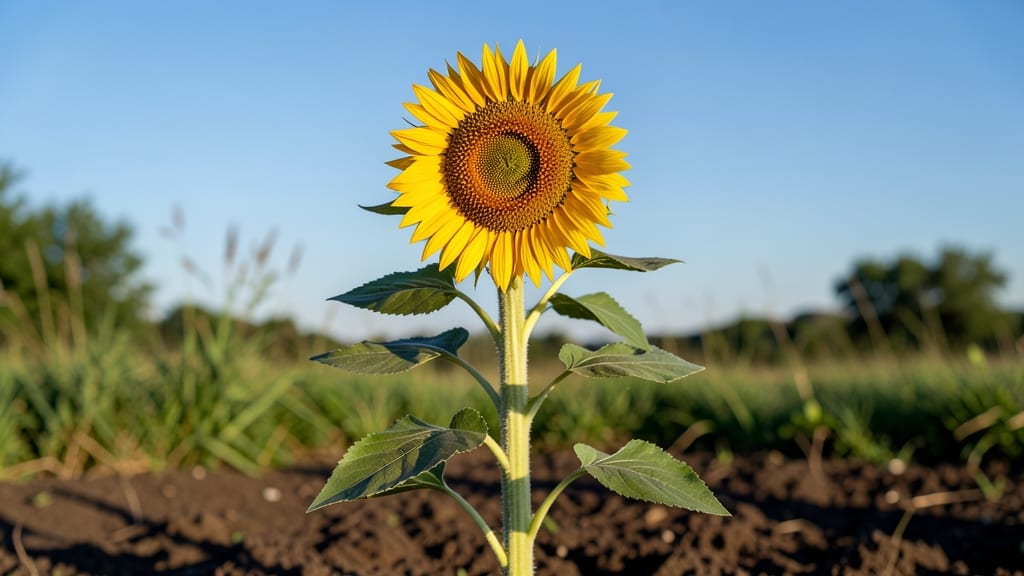
Sunflowers need sunlight to grow tall, produce vibrant blooms, and thrive in your garden 🌻 — and without enough of it, they’ll stretch, wilt, or never bloom at all.
Picture this: You’ve just planted your sunflower seeds in early spring, full of excitement for those towering golden faces come summer. But by midsummer, your plants are tall, spindly, and pale—no blooms in sight. That’s the classic sign your sunflowers aren’t getting the sunlight they crave.
Sunflowers thrive in full sun, meaning at least 6 to 8 hours of direct sunlight daily. In USDA Zone 6a, that means planting them in the sunniest spot you’ve got—whether it’s a garden bed, a large container, or even near a south-facing window.
Without enough light, they’ll grow leggy, weak, and prone to flopping over.
In this guide, I’ll break down exactly how much sunlight sunflowers need, how to spot signs of light deficiency, and simple fixes to keep your plants strong and blooming all season long.


How much sunlight do sunflowers need for optimal growth?
Sunflowers thrive under full sun, turning their faces toward the sunlight daily—a behavior called heliotropism. This natural instinct isn’t just charming; it’s a survival mechanism that maximizes their photosynthesis efficiency. Without adequate light, sunflowers won’t reach their towering potential, often growing leggy stems or producing small, weak blooms.
Let’s break down the science behind their sunlight needs and how to meet them for the biggest, brightest sunflowers possible.
Sunflowers are sun-worshippers, requiring at least 6-8 hours of direct sunlight daily for optimal growth. This means placing them in the sunniest spot in your garden, where they can soak up those rays from early morning until late afternoon.
In regions with shorter daylight hours, you may need to supplement with artificial grow lights to ensure they get enough energy for robust development. Without sufficient light, their growth slows dramatically, and their stems become weak and spindly.
Sunlight directly impacts three critical aspects of sunflower growth: height, stem strength, and bloom size. For example, a Mammoth sunflower variety can reach 12-16 feet tall with full sun exposure, but in partial shade, it may only grow to 6-8 feet with a much thinner stem. The same goes for their blooms—full sun produces larger, more vibrant flowers, while shade results in smaller, pale blooms that may not even fully open.
| Sunlight Requirement | Specifics | Impact of Insufficient Light |
|---|---|---|
| Minimum Daily Exposure | 6-8 hours of direct sunlight | Leggy stems, stunted growth |
| Ideal Daily Exposure | 8-12 hours of direct sunlight | Tall, strong stems; large blooms |
| Maximum Shade Tolerance | 4-6 hours of partial shade | Pale leaves, weak stems, small blooms |
| Best Light Conditions | Full sun (south-facing location) | Optimal height, vibrant blooms, seed production |
| Signs of Too Little Sun | Elongated stems, yellowing leaves | Reduced flowering, poor seed development |
If you’re growing sunflowers in containers or urban settings, prioritize south-facing windows or balconies where they can receive the most direct sunlight.
Even in these spaces, ensure they get at least 6 hours of light daily, as containers can dry out faster and limit root growth, making light even more critical.
For indoor growers, a grow light setup with a 14-hour photoperiod can mimic natural sunlight, though it won’t replace the full spectrum of outdoor light.
Sunflowers also benefit from morning sunlight, which helps dry dew quickly and reduces the risk of fungal diseases like powdery mildew. However, they can handle some afternoon shade in hot climates, as it prevents leaf scorch.
Just avoid placing them in deep shade, where they’ll struggle to photosynthesize efficiently. Even a few hours of shade per day can lead to noticeable differences in growth and bloom quality over time.
For giant sunflower varieties, like Russian Giant or Mammoth, aim for 10-12 hours of sunlight to achieve their maximum height and bloom size. These varieties are bred to be sun-hungry and won’t reach their potential without ample light.
In contrast, dwarf varieties, such as Sunspot, can tolerate slightly less light but still thrive best in full sun. Even these smaller types will produce better blooms and stronger stems with more sunlight.
One common mistake gardeners make is assuming that partial shade is acceptable for sunflowers. While they can tolerate 4-6 hours of partial shade, especially in hot afternoons, this will limit their growth and reduce the size of their blooms.
If you notice your sunflowers developing long, weak stems or pale, sparse leaves, it’s a clear sign they need more light. Relocating them to a sunnier spot or supplementing with a reflective surface, like a white wall or mirror, can help bounce extra light onto their leaves.
Sunflowers are incredibly resilient plants, but their love for sunlight is non-negotiable if you want to see them reach their full potential. By providing them with 6-12 hours of direct sunlight daily, you’ll be rewarded with tall, sturdy stems, vibrant blooms, and an abundance of seeds.
Whether you’re growing them in your backyard, a community garden, or even on a balcony, prioritizing sunlight is the key to cultivating sunflowers that turn heads—and faces—toward the sun.
🌻
Sunlight requirements by sunflower variety: tall vs. dwarf types
Not all sunflowers are created equal—and their sunlight needs vary just as much as their heights! Giant varieties like Mammoth and Russian Giant demand the most light, while dwarf types like Sunspot can adapt slightly better to partial shade.
The key difference? Bloom size and maturity speed directly correlate with sunlight exposure.
For tall sunflowers, think of sunlight as their fuel source. These varieties need 8+ hours of full sun daily to reach their towering potential—some even stretching over 12 feet tall.
Without enough light, their stems grow weak, and blooms stay small. Medium varieties like Teddy Bear are slightly more flexible but still thrive with 6-8 hours of sun.
Dwarf sunflowers like Sunspot or Moulin Rouge are the most adaptable, tolerating 4-6 hours of sun in a pinch. However, they’ll still produce bigger blooms and stronger stems with full sun exposure. The trade-off? Slower growth in low light means delayed flowering and smaller seeds.
If you’re growing giant sunflowers, prioritize the sunniest spot in your garden—like a south-facing border or near a reflective surface (like a white fence). These varieties won’t just stop growing without enough light; they’ll develop weak stems that flop over under their own weight.
For dwarf varieties, you’ve got a little more flexibility, but don’t assume they’ll thrive in deep shade. Even Sunspot sunflowers will produce smaller, less vibrant blooms with less than 4 hours of sun daily.
If your garden has partial shade, opt for medium-height varieties like Autumn Beauty, which strike a balance between light needs and adaptability.
Pro tip: Monitor your sunflowers’ growth in their first 30 days. If stems are stretching excessively (a sign of etiolation) or leaves are pale and sparse, they’re begging for more light.
Move them closer to a sunny window or relocate to a sunnier garden bed before it’s too late!