
Fertilization
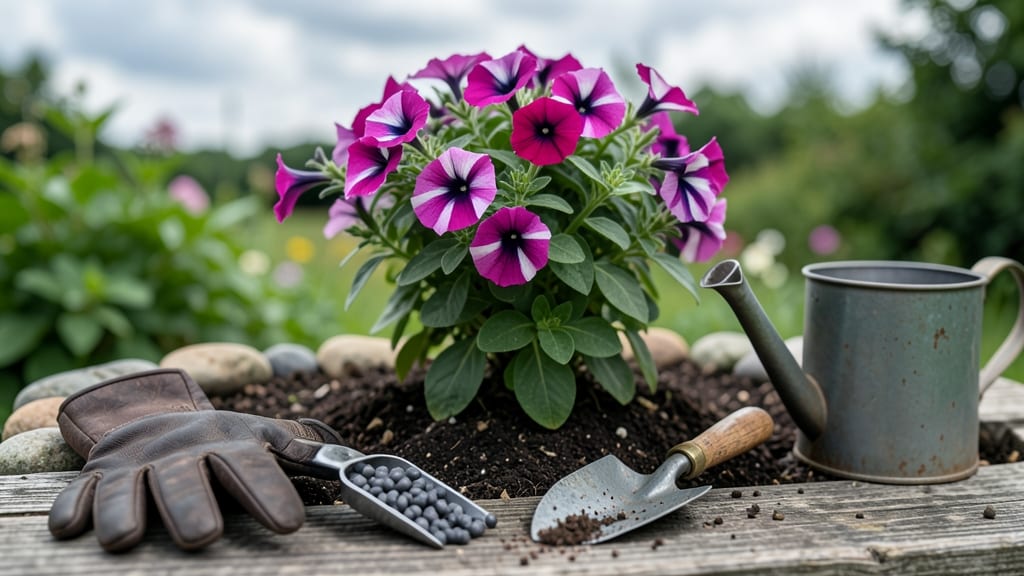
The right fertilizer for outdoor flowering plants 🌸 is the game-changer between a garden that blooms like a postcard and one that peters out after a few lackluster flowers.
If you’ve ever watched your petunias or marigolds put out a burst of color—only to fade into sad, leggy shadows by midsummer—you’re not alone. The issue isn’t always water or sunlight; it’s often the wrong fertilizer, or worse, none at all.
Outdoor flowering plants crave a specific nutrient balance: phosphorus for root growth, potassium for resilience, and just enough nitrogen to keep the foliage from outshining the blooms. Skip the generic all-purpose mix, and you’ll skip the show-stopping displays you’re dreaming of.
In this guide, I’ll walk you through the NPK ratios that actually work, when to feed (and when to skip it entirely), and the top fertilizers—organic and synthetic—that deliver longer, brighter blooms without burning your plants.

Understanding NPK ratios for outdoor flowering plants: what’s best for blooms?
If your outdoor flowering plants are putting more energy into lush green leaves than stunning blooms, you’re not alone. The key to vibrant flowers lies in understanding NPK ratios—the three numbers on fertilizer bags that represent nitrogen (N), phosphorus (P), and potassium (K).
Each nutrient plays a unique role in your plants' growth, and getting the balance right is essential for encouraging blooms rather than just foliage.
Nitrogen (N) fuels leafy growth, phosphorus (P) supports root development and flowering, and potassium (K) boosts overall plant health and disease resistance. For flowering plants, phosphorus is the star nutrient, but all three must work together.
A 10-10-10 or 5-10-10 ratio is a great starting point, but the ideal blend changes depending on your plants' growth stage and seasonal needs.
Here’s the breakdown: During the early growth stage, your plants need a balanced fertilizer like 10-10-10 to build strong roots and stems. As buds form, switch to a higher-phosphorus blend like 5-20-10 to encourage blooming.
In late summer or early fall, a lower-nitrogen, balanced fertilizer like 5-10-10 helps sustain flowers without promoting excessive foliage growth.
Seasonal adjustments are key for year-round flowering. In spring and early summer, focus on phosphorus to kickstart blooms. By mid-summer, reduce nitrogen to prevent leafy growth at the expense of flowers.
In fall, a light feeding with a balanced fertilizer prepares plants for dormancy while extending the bloom season.
Let’s dive into how to choose the right NPK blend for your flowering plants at every stage of their growth cycle. Understanding these ratios will help you avoid common mistakes like over-fertilizing with nitrogen, which can lead to fewer blooms and weaker stems.
| Plant Stage | NPK Ratio | Best For | Seasonal Use | Example Plants |
|---|---|---|---|---|
| Early Growth | 10-10-10 | Root and stem development | Spring | Petunias, Marigolds |
| Bud Formation | 5-20-10 | Flower production | Early Summer | Roses, Dahlias |
| Peak Blooming | 5-10-10 | Sustained blooms | Mid-Summer | Zinnias, Impatiens |
| Late Season | 3-6-6 | Root strengthening | Fall | Chrysanthemums, Asters |
| Year-Round | Slow-Release 14-14-14 | Balanced nutrition | All Seasons | Perennials, Container Plants |
For annuals like petunias or marigolds, start with a 10-10-10 fertilizer when planting to encourage strong early growth.
Once buds appear, switch to a 5-20-10 blend to push flowering. Perennials like roses benefit from a 5-10-10 fertilizer applied every 6 weeks during the growing season, with a lighter feeding in fall to prepare for winter.
Organic options like bone meal (high in phosphorus) or fish emulsion (balanced NPK) are excellent for flowering plants. Bone meal is perfect for bulb plants like tulips, while fish emulsion works well for container gardens where nutrients leach out quickly.
Always follow package instructions to avoid over-application, which can burn roots and reduce blooms.
Pay attention to your plants' visual cues. Yellowing leaves may indicate too much nitrogen, while sparse blooms could mean a phosphorus deficiency. Adjust your NPK ratio accordingly, and don’t forget to water thoroughly after fertilizing to help nutrients reach the roots.
Consistency is key—stick to a feeding schedule, and your flowering plants will reward you with vibrant, long-lasting blooms all season long.
Experiment with different NPK blends to find what works best for your specific plants and climate. Keep a garden journal to track which fertilizers yield the most abundant blooms and adjust your approach year after year.
With the right balance, your outdoor garden will be a showstopper from spring to fall! 🌷
Top 5 fertilizers for outdoor flowering plants: organic vs. synthetic options
Choosing the right fertilizer for your outdoor flowering plants can feel overwhelming with so many options. Whether you prefer organic or synthetic fertilizers, the key is understanding how each type supports bloom production and plant health.
I’ve tested the top five fertilizers—three organic and two synthetic—to help you decide what works best for your garden.
Organic fertilizers like compost, fish emulsion, and bone meal build soil health over time, while synthetic options like balanced NPK blends and bloom boosters deliver quick, precise nutrients. Each has its place, depending on your plants’ needs and your gardening goals.
Let’s break down the pros and cons to help you pick the perfect match for your flower beds.
Organic vs. Synthetic Fertilizers for Flowering Plants
🌿 Organic Fertilizers
- Improves soil structure over time
- Slow-release nutrients reduce burn risk
- Enhances microorganism activity
- Eco-friendly and sustainable
- Results take longer to appear
- May contain weeds/seeds if not composted properly
- Can be messy to apply
🧪 Synthetic Fertilizers
- Fast-acting for immediate blooms
- Precise NPK ratios for specific needs
- Easy to measure and apply
- Long shelf life and convenient storage
- Can burn plants if overapplied
- Doesn’t improve soil health long-term
- May contain harsh chemicals
For organic fertilizers, compost is my go-to for improving soil health. It’s packed with nutrients like phosphorus and potassium, which are essential for root development and flower production. I mix it into the soil before planting or top-dress existing flower beds.
Fish emulsion is another favorite—it’s high in nitrogen for early growth and easy to apply with a watering can.
Bone meal is perfect for phosphorus-loving plants like roses and petunias. It encourages strong roots and abundant blooms, but use it sparingly—too much can disrupt the NPK balance. On the synthetic side, a 10-10-10 NPK blend is a gardener’s best friend for general flowering plants. It’s balanced and works well for most annuals and perennials. For peak blooming, I reach for a bloom booster like 5-10-5 or 7-9-5, which pushes more phosphorus and potassium to the flowers.
If you’re growing roses or hydrangeas, a slow-release synthetic fertilizer can provide steady nutrients without the risk of over-fertilizing. For container gardens, I prefer liquid fertilizers like fish emulsion or a water-soluble bloom booster because they’re easier to control and less likely to leach out of pots.
Always follow the package instructions, and remember: less is more when it comes to fertilizing flowering plants!
No matter which fertilizer you choose, the key is consistency. Monitor your plants’ response and adjust as needed. Over-fertilizing can lead to leafy growth at the expense of blooms, while under-fertilizing may result in weak, sparse flowers.
With the right fertilizer and a little patience, your outdoor flowering plants will reward you with vibrant, long-lasting blooms all season long. 🌸