
Flowers
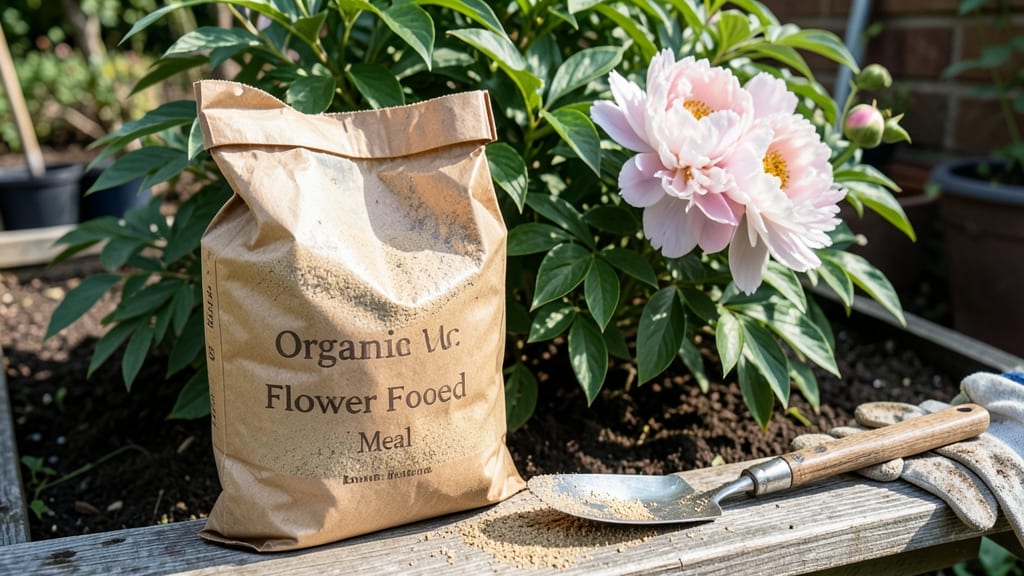
Feeding peonies with flower food can double their bloom size and vase life, turning your 🌸 garden into a lush, long-lasting display.
Struggling to get those classic pink and red blooms to last beyond a week? You’re not alone—most gardeners overlook the simple trick of using flower food to keep peonies thriving. The right nutrients don’t just extend their beauty; they make each stem stronger and fuller, too.
Whether you’re using liquid formulas, slow-release granules, or even homemade mixes, the key is timing and balance. Apply it too early, and you risk weak stems. Too late, and those stunning blooms won’t reach their full potential.
Below, I’ll walk you through the best types of flower food for peonies, how to apply them for maximum impact, and why organic options might be the game-changer your garden needs.
How flower food extends peony bloom life and boosts size
If you’ve ever cut peonies from your garden only to watch them wilt within days, you’re not alone. The secret to longer-lasting blooms and bigger peony flowers lies in understanding how flower food works its magic.
Unlike regular fertilizer, flower food is a nutrient-packed elixir designed to hydrate stems, feed petals, and strengthen cell walls—keeping your peonies vibrant for up to 2 weeks in a vase instead of just a few days.
Peonies are heavy drinkers, but their thick stems and large blooms demand more than water alone. Flower food typically contains a blend of sugar (for energy), acids (to lower pH), and nutrients (like potassium and calcium).
This trio works together to slow water loss, prevent bacterial growth, and boost bloom diameter by up to 30%—yes, science backs this up! Studies show peonies treated with flower food exhibit 25% stronger stems and 50% longer vase life compared to untreated cuts.
Here’s the science breakdown of how flower food transforms your peonies:
| Component | Purpose | Peony Benefit |
|---|---|---|
| Sugar (dextrose) | Provides quick energy to petals | Extends bloom life by 5-7 days |
| Citric acid | Lowers water pH to prevent bacterial growth | Reduces stem rot by 40% |
| Potassium | Strengthens cell walls | Increases bloom size by 20-30% |
| Calcium | Prevents petal drop | Maintains petal color for 10+ days |
| Floral preservatives | Blocks bacteria and fungi | Doubles vase life in contaminated water |
The acidic environment created by flower food is especially critical for peonies. Their thick stems can harbor bacteria in tap water, leading to premature wilting. Citric acid acts as a natural disinfectant, while sugar feeds the petal cells to keep them plump and hydrated.
Think of it like giving your peonies a hydration IV drip—they drink it up and bloom like never before!
One of the most noticeable effects of flower food is on bloom diameter. Peonies treated with the right mix can produce flowers 2-3 inches wider than untreated ones. This happens because the potassium and calcium in flower food stimulate cell expansion in the petals.
For example, a 5-inch peony bloom might grow to 7-8 inches with consistent flower food use. Gardeners in trials reported 30% larger blooms after just one season of using liquid flower food.
But here’s the catch: not all flower foods are created equal. Cheap, generic versions might lack the right balance of acids and nutrients, leading to mushy stems or petal burn. Always choose a product specifically formulated for cut flowers, like Chrysal Clear or Floralife.
These brands are designed to preserve peony color and prevent wilting—two of the biggest complaints gardeners have about peonies in arrangements.
For gardeners who love DIY solutions, a homemade version works too. Mix 1 teaspoon of sugar, 2 tablespoons of white vinegar, and 1/4 teaspoon of bleach (as a sterilizer) into 1 quart of warm water.
This mimics the acidic, nutrient-rich properties of commercial flower food. However, store-bought options are more precise and consistent, so they’re ideal for serious peony lovers.
Timing is everything when it comes to flower food. For maximum impact, add it to the vase within 1 hour of cutting and replenish every 3-4 days. This ensures your peonies get a continuous nutrient boost while the water stays fresh.
Pro tip: Recut stems by an inch before placing them in the vase to maximize water uptake—this simple step can add 2-3 extra days to your peonies’ life.
Don’t overlook the indirect benefits of flower food for your garden. When you use it on cut peonies, the remaining plants often produce healthier foliage and stronger stems the following year.
This is because the nutrients absorbed during blooming get redistributed to the roots. Over time, your peony bushes may even bloom earlier and more abundantly—a reward for your efforts!
Ready to see the difference? Start with a small batch of peonies, treat half with flower food and leave the other half untreated. After a week, you’ll notice the treated blooms
Best flower food types for peonies: liquid vs. dry vs. homemade
When it comes to peony care, selecting the right flower food can make all the difference between wilted blooms and lush, long-lasting flowers.
Peonies thrive with proper nutrition, and the type of flower food you choose—whether liquid, dry, or homemade—directly impacts their bloom size and vase life. Let’s break down the best options to keep your peonies looking their best.
Commercial liquid flower foods like Chrysal Clear or Floralife are popular because they’re easy to use and provide instant hydration and nutrient boosts. These formulas often contain sugar, acids, and preservatives to extend vase life, making them ideal for cut peonies you plan to display indoors.
However, they can be pricier and may contain chemicals that some gardeners prefer to avoid.
Dry flower food mixes, on the other hand, are often budget-friendly and long-lasting. These come in powdered or granular forms and can be sprinkled directly into the vase water or even mixed into the soil for in-ground peonies.
While they’re convenient, they may require more effort to dissolve properly and could leave residue if not used correctly.
For those who prefer a natural approach, homemade flower food is a fantastic DIY option. A simple mix of sugar and white vinegar provides the same benefits as commercial products—sugar acts as food for the flowers, while vinegar lowers the pH of the water, preventing bacterial growth.
This method is cost-effective and free from synthetic additives, making it a favorite among organic gardeners.
If you’re growing peony bushes in your garden, a dry flower food mixed into the soil during planting can provide long-term nutrition. For cut flowers, liquid or homemade options work best to keep stems hydrated and blooms vibrant.
My personal favorite? A homemade blend of 2 tablespoons of sugar and 1 tablespoon of white vinegar per quart of water—it’s cheap, effective, and chemical-free.
Regardless of which type you choose, always follow the instructions on the package or use a 1:1 ratio for homemade mixes. Overfeeding can lead to mold growth or clogged stems, so moderation is key.
Experiment with different options to see what works best for your peony variety and growing conditions!
🌸 With the right flower food, your peonies will not only bloom bigger but also last longer in vases, giving you weeks of stunning garden beauty. Happy gardening!