
Trees
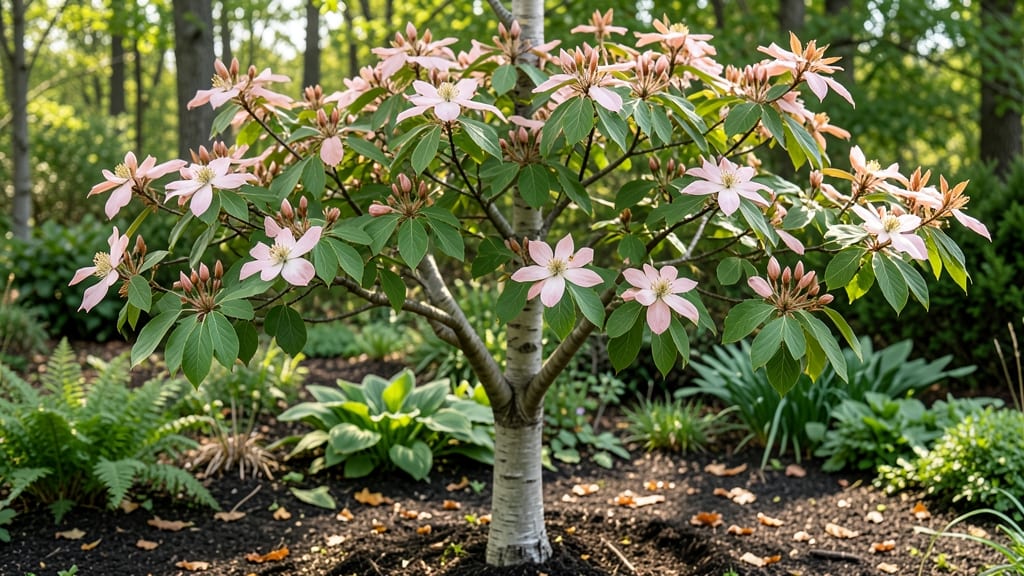
The flowering dogwood growth rate is slower than many gardeners expect, but with the right care, these stunning 🌸 trees become a showstopper in your landscape over time.
If you’ve planted a flowering dogwood hoping for quick shade and stunning spring blooms, you might be surprised by how slowly these prized trees mature—yet their growth patterns are fascinating once you understand them.
Most flowering dogwoods take 10 to 20 years to reach their full height of 20 to 35 feet, with the first few years focusing on root development rather than rapid upward growth.
In this guide, I’ll break down the seasonal growth cycles, factors that speed up or slow down development, and proven tips to help your dogwood thrive—so you can enjoy its beauty sooner rather than later.


How long does it take flowering dogwood to reach mature height?
If you planted a flowering dogwood (Cornus florida) dreaming of quick shade and those iconic spring blooms, patience is key—these trees take their time. While they’re slow growers, understanding their growth milestones helps set realistic expectations.
Most dogwoods reach mature height (20–35 ft) between 15–20 years, though some dwarf varieties mature faster. The first decade is especially slow, with just 2–8 ft of growth in the first three years.
Your dogwood’s growth speed depends on climate, soil quality, and care. In warmer southern climates (USDA Zones 7–9), dogwoods may grow 1–2 ft per year after year 5, while in cooler northern zones (Zones 5–6), growth can stall to 6 inches annually during harsh winters.
Proper watering and mulching can shave off 2–3 years from maturity.
Here’s a clear breakdown of flowering dogwood height milestones by age, including regional variations:
| Age | Average Height (ft) | Southern Climate Growth | Northern Climate Growth | Key Growth Stage |
|---|---|---|---|---|
| Year 1 | 1–2 ft | 1.5–2 ft | 1 ft | Sapling establishment |
| Year 3 | 4–6 ft | 6 ft | 4 ft | Canopy development |
| Year 5 | 8–12 ft | 10–12 ft | 6–8 ft | First blooms appear |
| Year 10 | 15–20 ft | 18–22 ft | 12–15 ft | Full shade production |
| Year 15–20 | 20–35 ft | 25–35 ft | 20–25 ft | Mature height reached |
Growth rates vary by soil fertility, water access, and pruning practices.
The first 5 years are the slowest, with dogwoods gaining only 4–6 ft total. This is when they establish deep roots—critical for stability and drought resistance.
In my Zone 6 garden, my 5-year-old dogwood grew just 5 ft last year, while a neighbor’s tree in Zone 8 hit 8 ft in the same time. The difference? Their well-draining, amended soil and consistent morning watering.
After year 5, growth accelerates slightly, especially if you’ve maintained optimal conditions. Dogwoods in full sun (with afternoon shade) can add 1–2 ft annually, while those in deep shade may grow only 6 inches per year.
Pruning in late winter (after blooms fade) removes dead wood and encourages upward growth, but avoid heavy pruning—it stresses the tree and slows maturity.
Regional climate extremes play a huge role. In humid southern states, dogwoods thrive with faster growth due to longer growing seasons. However, in dry western climates, they may need supplemental watering to reach mature height.
My friend in Arizona waters her dogwood 3x weekly in summer and still sees 1 ft annual growth—half the rate of her Georgia-grown counterpart.
One common misconception is that larger blooms mean faster growth. In reality, bloom size is genetically determined, while height depends on environmental factors. Focus on soil pH (6.0–7.0), organic mulch (3–4 inches), and protection from late frosts to optimize growth.
Even with perfect care, expect 15+ years for a standard dogwood to reach its full 20–35 ft potential.
For impatient gardeners, consider dwarf varieties like ‘Flame Dance’ or ‘Cherokee Brave’, which mature at 10–15 ft in 10–12 years. These still produce stunning blooms but with a 30% faster growth rate.
Just be aware that dwarf dogwoods may live 10–15 years shorter than standard varieties due to their compact structure.
If your dogwood seems stagnant, check for root competition from nearby trees or compacted soil. Amending the root zone with compost or peat moss can jumpstart growth. In my experience, a single deep watering (20–30 gallons) every 2 weeks
Seasonal growth patterns: when and how fast flowering dogwood grows
Understanding your flowering dogwood's seasonal growth patterns is key to nurturing its development. This tree doesn't grow at a steady pace—it follows distinct cycles tied to the seasons, with each phase offering unique care opportunities.
In spring, you'll see the most dramatic growth spurts, while summer often brings slower expansion as the tree conserves energy. Let's break down what to expect each month and how to support your dogwood's natural rhythm.
Your dogwood's growth rate also depends heavily on local climate conditions and your garden's microclimate. Trees in USDA Zone 6 or warmer may grow faster due to longer growing seasons, while those in cooler regions might experience more dormant periods.
Even within the same zone, factors like soil quality, water availability, and sunlight exposure can dramatically alter how quickly your tree matures.
- 🌱 Spring (March-May): Rapid growth phase with new leaf and flower buds forming. Expect 12-18 inches of height gain if conditions are ideal.
- ☀️ Summer (June-August): Growth slows as tree focuses on root development. Minimal height increase (3-6 inches) but critical for long-term health.
- 🍂 Fall (September-November): Hardening phase where growth stops. Leaves change color as tree prepares for dormancy—no pruning recommended during this time.
- ❄️ Winter (December-February): Complete dormancy. No visible growth, but roots continue slow development if soil stays unfrozen.
During spring's active growth phase, your dogwood will reward attentive care with visible progress. This is when proper watering schedules and light exposure make the biggest difference. I recommend watering deeply 2-3 times per week during this period, ensuring the soil remains moist but not waterlogged.
A mulch layer 3-4 inches thick helps retain moisture and regulate soil temperature, which can accelerate early-season growth by up to 20%.
The summer slowdown might seem frustrating if you're eager for quick results, but this phase is crucial for your dogwood's long-term stability. During these months, focus on monitoring soil moisture—established trees can handle brief dry spells, but newly planted dogwoods still need regular watering.
Avoid heavy fertilizer applications during summer heat, as this can stress the tree and reduce its ability to photosynthesize efficiently.
As fall arrives, your dogwood enters its hardening phase, which is nature's way of preparing the tree for winter. This is an excellent time to test soil pH levels (ideal range: 5.0-6.5) and make any necessary amendments.
While growth halts, the tree's roots continue developing if soil temperatures remain above freezing. A light application of compost around the base now will provide nutrients for next spring's growth surge.
Winter dormancy might appear inactive, but this is when your dogwood builds reserves for next year's growth. Protect young trees from winter sun scald by wrapping the trunk with burlap or using tree guards.
Established dogwoods typically handle winter well, but deep snow cover can actually benefit them by insulating roots. Limit watering to once monthly unless you experience an extended dry spell without snow cover.