
Flowers
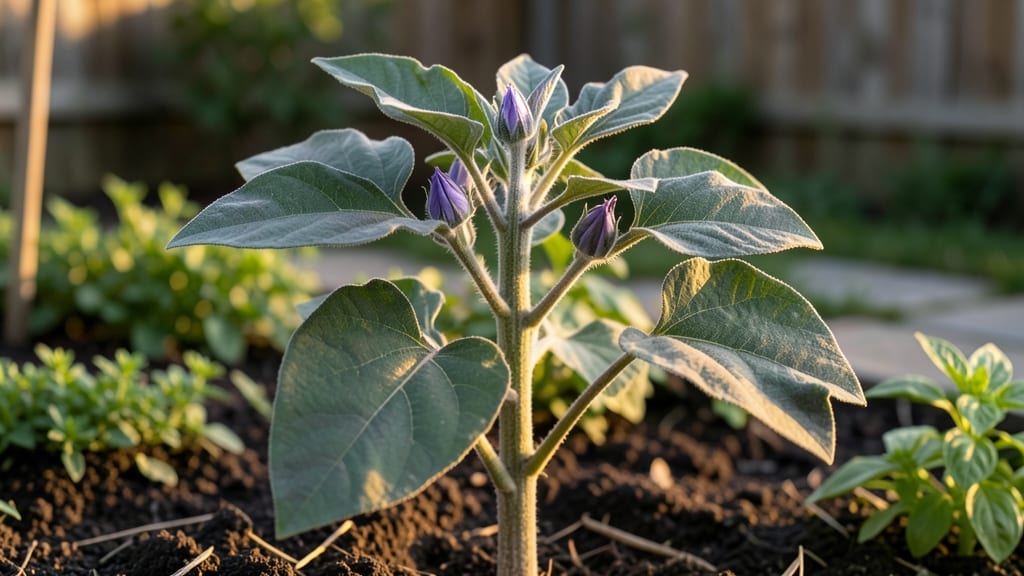
Understanding eggplant flower buds is the key to turning your 🍆 plants from pretty blooms into a bountiful harvest.
Discovering drooping or falling eggplant flower buds can be frustrating—especially when you've nurtured your plants for weeks, only to watch potential fruit disappear. The good news? This common issue has clear causes and simple fixes that can transform your harvest.
From light and water balance to proper fertilization, small adjustments make a huge difference in bud retention. I’ll walk you through the most common reasons buds drop and how to prevent it, so you can enjoy a garden full of plump, healthy eggplants by July.
Ready to save your buds? You’ll learn how to spot early warning signs, boost pollination naturally, and keep your plants thriving—no guesswork required.
Why eggplant flower buds drop: 5 common causes & how to identify them
If you've ever watched your eggplant plants develop beautiful flower buds only to see them drop before setting fruit, you're not alone. This frustrating issue affects even experienced gardeners.
The key to saving your harvest lies in understanding the root causes—whether environmental, nutritional, or health-related—and recognizing the visual signs early. Let's explore the most common reasons why your eggplant buds fall off and how to spot each problem before it's too late.
Eggplant flower buds are delicate and sensitive to changes in their growing conditions. When stressed, they'll often abort and drop rather than develop into fruit. The good news? Most of these issues are preventable with the right knowledge.
By learning to identify the specific symptoms of each problem, you can take corrective action quickly and give your plants the best chance to produce a bountiful harvest.
Here are the top 5 reasons your eggplant buds are dropping, along with visual clues to help you diagnose the issue:
Temperature Stress
Bud drop often occurs when nighttime temperatures drop below 55°F (13°C) or exceed 90°F (32°C) during the day. Look for wilting buds that appear shriveled or blackened at the edges.
Inconsistent Watering
Fluctuating moisture levels cause buds to abort. Check for uneven soil—either too dry (buds turn brown) or waterlogged (buds appear mushy and discolored).
Nutrient Deficiencies
A lack of phosphorus or calcium weakens buds. Look for yellowing leaves (phosphorus) or blossom end rot (calcium), where buds appear stunted or deformed.
Poor Pollination
Without proper pollination, buds won't develop into fruit. Check for drooping flowers that haven't opened fully or unpollinated buds (often smaller and greenish in color).
Pest or Disease Damage
Pests like aphids or diseases such as powdery mildew can stress buds. Look for chewed edges, sticky residue, or white fungal growth on buds and leaves.
Now that you can identify the visual signs of each issue, let's dive deeper into why these problems occur. Temperature stress is one of the most common culprits, especially in early spring or late summer when nights get chilly or days turn scorching.
Eggplants thrive in warm, stable temperatures between 70-85°F (21-29°C), and even slight deviations can cause buds to drop.
For example, if you're growing eggplants in USDA Zone 6a or cooler, you might notice buds dropping when nighttime temperatures dip below 60°F (16°C). In hotter climates, midday heat waves exceeding 95°F (35°C) can also trigger bud abortion.
The key is to provide shade cloth during heatwaves or use row covers to protect plants from cold snaps.
Another critical factor is watering consistency. Eggplants have high water needs, especially during flowering and fruiting, but they hate soggy roots. Overwatering can lead to root rot, while underwatering causes stress signals that trigger bud drop.
The solution? Deep, infrequent watering—aim for 1-2 gallons per plant every 3-5 days, delivered in the early morning to reduce evaporation and fungal risks.
If you've ruled out temperature and watering issues, the next step is to check for nutrient deficiencies. Eggplants are heavy feeders and require a balanced fertilizer with phosphorus (for flowering) and cal
How to save eggplant flower buds: step-by-step prevention & recovery guide
When your eggplant plants start dropping flower buds, it’s often a sign of stress from environmental factors or poor care practices. The key to recovery lies in addressing the root cause quickly—whether it’s watering issues, nutrient deficiencies, or pollination problems.
With the right adjustments, you can encourage your plants to retain buds and produce a bountiful harvest.
First, focus on consistent watering. Eggplants need deep, regular watering—about 1-2 gallons per plant every 3-5 days—but avoid overwatering, which can cause root stress and bud drop.
Watering at the base of the plant in the morning helps prevent fungal diseases while keeping the soil evenly moist.
Next, check your soil nutrients. Eggplants thrive in well-draining, fertile soil with a balanced fertilizer (like 5-10-10 NPK). If your plants show signs of yellowing leaves or stunted growth, they may need a light feeding with compost or organic fertilizer.
Avoid high-nitrogen fertilizers, as they promote leafy growth over flowering.
If your eggplant buds are dropping due to heat stress, provide afternoon shade during peak summer months. Use lightweight row covers or shade cloth to protect plants from temperatures above 90°F (32°C), which can cause buds to abort.
Additionally, mulching around the base of the plant helps retain moisture and regulate soil temperature.
For existing flower buds that are already wilting, try a foliar spray with seaweed extract or fish emulsion to provide a quick nutrient boost. This can help revive stressed buds and encourage fruit set.
Pair this with pruning any overcrowded foliage to improve air circulation and reduce stress on the plant.
Finally, monitor your eggplants for pests like aphids or spider mites, which can weaken buds and cause them to drop. Use neem oil or insecticidal soap as an organic treatment to keep pests at bay.
With these preventive measures, your eggplants should retain more buds and produce a healthier crop.
Remember, patience and consistency are key. Eggplants are sensitive plants, but with the right care, you can minimize bud drop and enjoy a successful harvest.