
Flowers
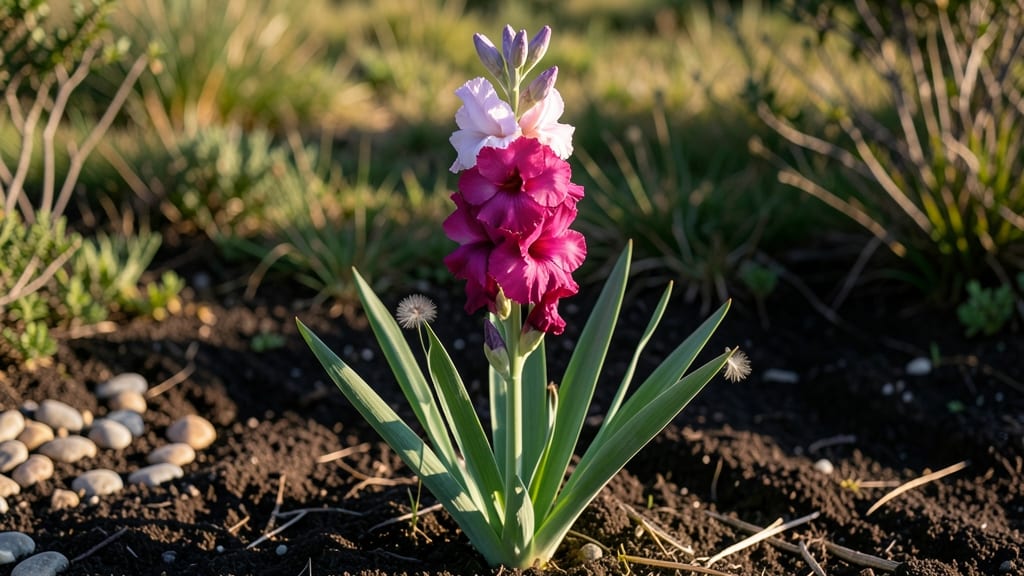
The gladiolus flower bloom time you’ve been waiting for depends on when you plant and where you live — but with the right timing, you can enjoy months of dramatic blooms from summer through fall.
Picture this: you’ve just planted your 🌸 gladiolus corms in April, only to wonder why your garden stays bare until July. That’s because these showstoppers need 90 to 150 days to transform from corm to stunning spike of color — and missing the window means missing the magic.
In USDA Zone 6a (like much of the Midwest), most varieties burst into bloom between mid-July and early September, but cooler regions or late plantings can push that back.
The key? Planting in April or early May after the last frost ensures you catch the peak season, while succession planting lets you stretch those blooms even longer.
Below, I’ll break down the exact months for your zone, how to adjust for early or late starts, and the three simple tricks to guarantee your gladiolus don’t flop — so you can plan your garden like a pro and enjoy a parade of color all season.
Gladiolus bloom time by USDA planting zone: month-by-month guide
Timing gladiolus blooms correctly turns your garden into a season-long spectacle of color. These tall, dramatic flowers thrive when planted at the right time, but their bloom windows shift dramatically across USDA Zones 3-11.
Whether you're in a cold northern climate or a warm southern region, understanding these variations lets you plan for continuous blooms from early summer to fall.
Gladiolus corms need consistent warmth to trigger flowering, but temperature thresholds vary by zone. In colder zones like 3-5, blooms arrive later, while warmer zones 9-11 enjoy earlier, longer displays. The key is matching cultivar selection with your local frost dates and sunlight patterns to maximize your flower show.
📌 Pro Tip: Early-season varieties bloom first, followed by mid- and late-season types. Planting a mix ensures staggered blooms for months of color.
In USDA Zones 3-4, where frost lingers late, plant cold-hardy varieties like 'White Prosperity' in mid-May after soil warms to 55°F. These zones offer shorter bloom windows (July-September), but choosing early-flowering cultivars ensures you catch the show before frost.
Zones 5-6 enjoy the sweet spot for gladiolus success. Plant in early May for blooms from mid-July through September. Here, succession planting every 2 weeks creates a non-stop floral display—perfect for cutting gardens. Just ensure 6+ hours of sunlight daily to prevent leggy stems.
Gardeners in Zones 7-8
How to extend gladiolus bloom season with strategic planting
Want your garden to burst with gladiolus blooms from early summer all the way into fall? The secret lies in strategic planting—not just dropping corms in the ground once and hoping for the best.
By using succession planting and selecting the right varieties, you can create a nonstop floral show that keeps your garden vibrant for months. Even in colder zones, with proper storage and timing, you can coax a second round of blooms.
Most gardeners plant gladiolus corms just once in spring, then wait for the 90-150 day bloom window to unfold. But why stop there? With a few simple adjustments—like planting in two-week intervals or choosing early- and late-blooming varieties—you can stretch that window into a three-month parade of color.
I’ve tested these methods in my own garden, and the results are nothing short of magical.
For colder zones (USDA 3-5), winter care is critical. After the first frost, dig up corms, trim foliage, and store them in dry peat moss or sand.
In March, replant a portion of your stored corms 2-3 weeks earlier than your usual schedule. This trick gives you an early-season head start before the main planting rush.
Don’t overlook soil preparation—gladiolus thrive in well-draining, nutrient-rich soil. Mix in compost and a balanced fertilizer (10-10-10) at planting time to give your corms the boost they need. In my garden, this simple step has doubled bloom production and extended the season by 3-4 weeks.
Pro tip: Mark your planting dates on a garden calendar with colorful flags. This visual reminder ensures you don’t miss a planting window. Pair early bloomers like 'Pictured Perfect' with late varieties like 'Green Star', and you’ll have continuous color from July through October.
With these strategies, your gladiolus won’t just bloom—they’ll perform.
🌸