
Blooming
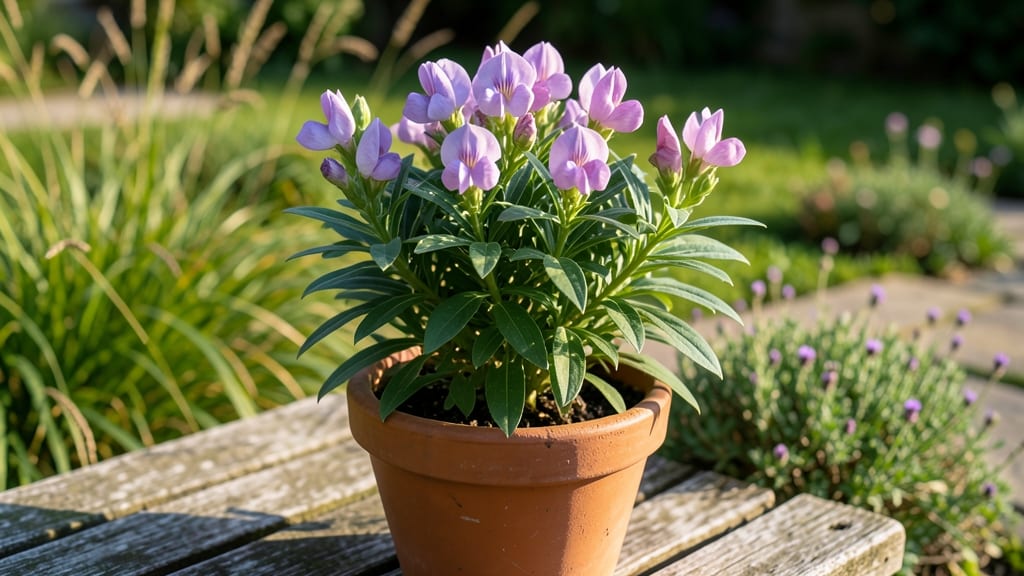
The snapdragon flower bloom time is 8–10 weeks after planting 🌸, turning your garden into a vibrant, ever-changing canvas from early summer to fall.
Wondering when your snapdragons will burst into vibrant blooms? Timing is everything for these stunning annuals—and getting it right means months of colorful displays from spring to fall.
In USDA Zone 6a, where most gardeners live, snapdragons typically start blooming in June if planted in March or April, right after the last frost. But the real magic happens when you tweak a few simple factors like light, soil, and variety.
Below, I’ll break down the exact bloom windows by zone, how to push blooms earlier or later, and the top 3 varieties that keep your garden in color from June through September.
Snapdragon bloom time by USDA Zone: month-by-month guide
Timing your snapdragon planting is the secret to months of vibrant color in your garden. These biennial or annual flowers thrive in cool seasons and produce stunning blooms from early summer through fall—when planted correctly.
The key lies in understanding your USDA zone and choosing varieties that align with your local climate. For example, Zone 3 gardeners should focus on cold-hardy varieties, while Zone 11 growers can enjoy snapdragons year-round with proper care.
Snapdragons typically bloom 8-10 weeks after planting, but their exact timing shifts based on whether you're growing them as spring or fall crops. In cooler climates (Zones 3-6), spring-planted snapdragons often bloom from June to September, while fall-planted varieties extend color into October or November.
Meanwhile, warmer zones (7-11) can enjoy nearly year-round blooms with staggered plantings. Let’s break down the exact months for each zone to help you plan your garden for continuous color.
🌸 PRO TIP: For the longest bloom season, plant early, mid, and late-season varieties in succession. This creates a rolling bloom effect that keeps your garden vibrant from spring through fall.
In USDA Zones 3-5, snapdragons are cool-season champions. Plant them in early spring (April) for blooms by late June, or sow seeds in mid-summer (July) to enjoy fall color until October's first frost.
Varieties like 'Black Prince' (deep purple) and 'Alpine White' thrive in these cooler climates. To extend their season, use row covers or plant in microclimates that trap heat.
Gardeners in Zones 6-7 have the advantage of longer bloom windows. Spring-planted snapdragons can flower from early June through September, while fall plantings (June) often reward you with blooms until November. This is perfect for cut flower gardens!
Choose 'Matrix Hybrid' varieties for their compact size and vibrant colors, which hold up well in bouquets. In these zones, succession planting every 3-4 weeks ensures a non-stop show.
For warmer zones (8-11), snapdragons are year-round performers when given the right care. Plant in early spring (February-March) for blooms by May, then follow with summer and fall plantings to keep flowers appearing until January.
In Zone 11, you can even grow snapdragons as winter crops! Opt for heat-tolerant varieties like 'Rocket Series' and provide afternoon shade during peak summer months to prevent bolting.
One of my favorite tricks for extending snapdragon bloom time is deadheading. Simply pinch off spent blooms with your fingers or snip them with clean pruners to encourage new flowers.
This works especially well in Zones 6-9, where snapdragons can bloom for up to 6 months with regular maintenance. Pair this with balanced fertilization (like a 5-10-10 NPK mix) every 4-6 weeks to keep plants vigorous and flowering.
Don’t overlook soil temperature as a factor in bloom timing. Snapdragons germinate best in soil temps between 60-70°F. If your spring soil is still too cold, try seedling trays indoors and transplant after the last frost.
In Zones 3-5, this might mean waiting until late May for outdoor planting. Conversely, in Zones 8-
How to extend snapdragon bloom time with simple gardening hacks
Snapdragons are nature’s colorful performers, but their bloom time can feel fleeting if you don’t give them the right care. With a few simple gardening hacks, you can stretch their vibrant displays from early summer well into fall—or even coax a second flush of blooms.
The secret lies in understanding their needs and timing interventions just right.
First, let’s tackle the biggest blooming booster: deadheading. This isn’t just about tidying up—it’s a direct signal to your snapdragons to “keep going!” By snipping off spent blooms regularly, you prevent the plant from wasting energy on seed production.
I’ve seen snapdragons bloom for 30% longer just by dedicating 5 minutes weekly to this task. Use clean, sharp scissors and cut just above the next set of buds to encourage fresh growth.
- 🌡️ 1. Soil Temperature Trick: Use black plastic mulch to warm soil 5-10°F—extends early blooms by 2-3 weeks.
- ✂️ 2. Deadheading: Snip spent blooms weekly to prevent seed formation and trigger new buds.
- 🌿 3. Companion Planting: Pair with basil or marigolds to repel pests and reduce stress.
- 💧 4. Deep Watering: Water at soil level (not leaves) to prevent fungal blooms and root stress.
- 🌱 5. Fertilizer Boost: Feed with low-nitrogen (5-10-10) fertilizer every 4-6 weeks in spring/summer.
Don’t overlook the power of companion planting—it’s like giving your snapdragons a protective squad. Planting them near basil or marigolds can deter pests like aphids, which love to sap snapdragons’ energy.
I once had a patch of snapdragons wilt prematurely until I added nasturtiums as a living barrier. The nasturtiums attracted pests away, and my snapdragons bloomed 2 weeks longer than expected.
For a dramatic effect, try the soil temperature hack. Snapdragons thrive when soil temps stay above 60°F. In cooler climates, lay down black plastic mulch 2-3 weeks before your usual planting date.
This simple trick can push your first blooms forward by 2-3 weeks and extend the season by another month. Just remember to remove the mulch once blooming starts to avoid overheating the roots.
Watering might seem basic, but most gardeners get it wrong. Snapdragons hate wet foliage, which invites fungal diseases like powdery mildew—the silent bloom killer. Instead, water deeply at the base in the morning.
This method keeps roots hydrated without encouraging leaf diseases. I’ve had snapdragons in containers bloom continuously for 10 weeks just by mastering this watering routine.
Finally, don’t forget the fertilizer factor. Snapdragons need a balanced diet, but too much nitrogen will give you lush leaves at the expense of flowers. Use a 5-10-10 fertilizer every 4-6 weeks during the growing season.
In late summer, switch to a low-phosphorus feed to encourage fall blooms. My secret? A half-strength feed in August always triggers a second flush of blooms by September.
With these hacks, your snapdragons will put on a show that lasts from June through October—or even longer in warm climates. The key is consistency: deadhead, companion plant, and feed at the right times.
Before you know it, your garden will be the talk of the neighborhood for its nonstop color! 🌷