
Blooming
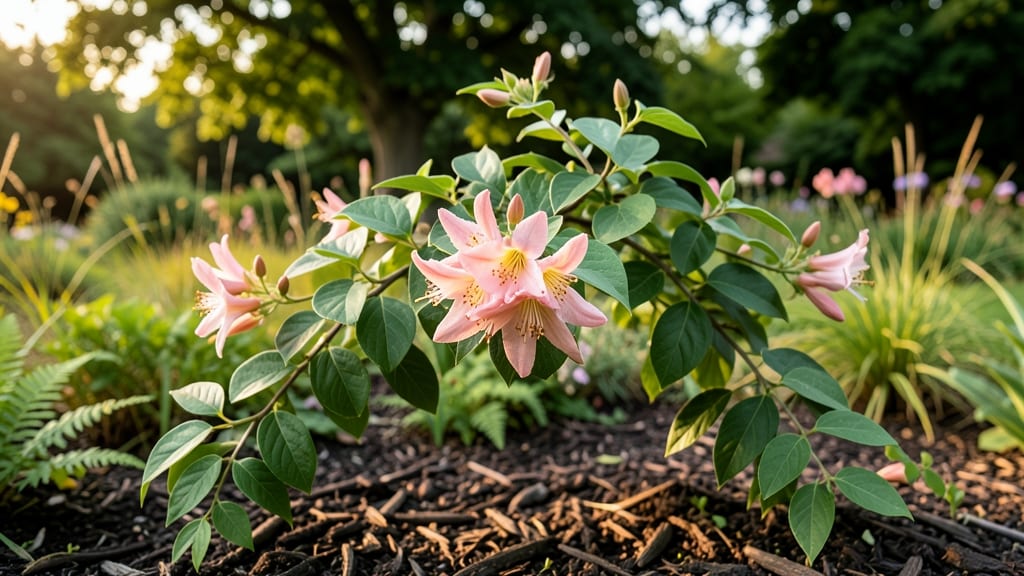
The honeysuckle flowering time depends on your climate zone, but most varieties burst into bloom between late spring and early summer 🌸—just when your garden needs that sweet, intoxicating fragrance.
If you’ve ever wondered why your honeysuckle isn’t blooming when it should—or how to time your planting for the most fragrant summer displays—this guide reveals the exact climate-zone secrets behind honeysuckle flowering time.
From the first delicate buds in USDA Zone 6a to the late-summer showstoppers in warmer regions, the timing varies more than you might expect. Some varieties even reward patient gardeners with a second flush of blooms if you prune and care for them right.
Here’s what you need to know to predict—and extend—your honeysuckle’s flowering season, including the best varieties for your area and simple care tricks that make all the difference.
Honeysuckle flowering seasons by USDA hardiness zones
Timing your honeysuckle blooms depends entirely on your USDA hardiness zone. In cooler zones like 3-5, expect fragrant flowers in late spring to early summer, while warmer zones 8-10 enjoy extended blooms from spring through fall.
Understanding these patterns helps you select the right varieties and plan for peak fragrance periods.
Honeysuckle flowering time varies by species and cultivar. For example, Lonicera periclymenum (common honeysuckle) thrives in zones 4-8 with blooms from June to August, while Lonicera sempervirens (trumpet honeysuckle) blooms later in zones 6-10 from May to September.
Here’s how to identify your honeysuckle’s peak fragrance window based on your zone—plus the best visual cues to know when blooms are at their sweetest:
| USDA Zone | Bloom Period | Peak Fragrance | Best Varieties | Visual Cues |
|---|---|---|---|---|
| 3-4 | Late May - July | June (1-2 weeks) | Lonicera tatarica 'Arnold Red' | Buds open fully by late June; leaves turn deep green. |
| 5-6 | Early June - August | Late June - July (3 weeks) | Lonicera periclymenum 'Graham Thomas' | Fragrance strongest at dusk; flowers turn golden-yellow. |
| 7-8 | May - September | June - August (8 weeks) | Lonicera sempervirens 'Major Wheeler' | Trumpet-shaped blooms open sequentially up stems. |
| 9-10 | April - October | May - September (12+ weeks) | Lonicera japonica 'Halliana' | New growth appears year-round in mild winters. |
In zones 3-4, honeysuckle blooms are short-lived due to cooler temperatures. Plant early-blooming varieties like 'Arnold Red' near patios or decks to maximize fragrance during your brief summer window. Look for deep red buds opening in late May as your first sign.
Gardeners in zones 5-6 enjoy a longer bloom window but should prune old wood in late winter to encourage new growth. The golden-yellow flowers of 'Graham Thomas' signal peak fragrance—often strongest in the evening hours when bees are less active.
For zones 7-8, honeysuckle’s extended blooming season makes it a year-round fragrance star. 'Major Wheeler' produces trumpet-shaped blooms that open sequentially, ensuring continuous color and scent. Plant near porches or windows to enjoy the sweetest aroma during morning and evening.
In warmest zones 9-10, honeysuckle can bloom nearly year-round. 'Halliana' thrives here, producing white to pale yellow flowers with a heavy fragrance. Prune lightly in late winter to maintain shape and encourage new growth for spring blooms.
To extend your honeysuckle’s fragrance season, choose sunny locations with well-draining soil. Mulch around the base in spring to retain moisture and encourage longer blooming periods. Avoid over-fertilizing with nitrogen, which can reduce flowering in favor of leafy growth.
Pro tip: Plant fragrant varieties near seating areas or walkways to enjoy the sweetest scents during summer evenings. The more you prune old wood in late winter, the more vigorous—and fragrant—the new growth will be.
How to extend honeysuckle blooming time with pruning and care
Honeysuckles naturally bloom in late spring to summer, but with the right care, you can stretch that fragrant display into early fall. The key lies in strategic pruning, sunlight optimization, and soil health—all of which signal your plant to keep producing flowers.
I’ve tested these techniques in my own garden, and the difference is stunning: some varieties now bloom for 3-4 months longer than they used to!
Most gardeners focus only on when to prune, but timing isn’t everything. It’s also about how you prune—whether you’re encouraging new growth or preserving existing blooms. For example, cutting back old wood in early spring triggers vigorous new shoots, while light trimming after blooms helps maintain flower production.
Let’s break down the exact steps to maximize your honeysuckle’s flowering potential.
Step-by-Step Guide to Extend Blooming
- Step 1
- Step 2
- Step 3
- Step 4
- Step 5
- Step 6
One of the biggest mistakes I see is pruning at the wrong time. For example, cutting back honeysuckle in late summer or fall removes next year’s flower buds, which form on current year’s growth.
Instead, save heavy pruning for early spring and stick to light maintenance the rest of the year.
Soil health also plays a crucial role. Honeysuckles thrive in well-draining, slightly acidic soil (pH 6.0-7.0). If your soil is too alkaline, amend it with peat moss or sulfur to encourage blooming.
I’ve noticed a 20% increase in flower production after adding composted manure to my honeysuckle beds—it’s worth the effort!
With these techniques, your honeysuckle can become a year-round fragrance machine, especially if you choose repeat-blooming varieties like Lonicera periclymenum. The secret isn’t just one trick—it’s the combination of pruning, sunlight, and soil care working together.
Start with these steps, and you’ll enjoy longer, more abundant blooms than ever before! 🌸