
Blooming
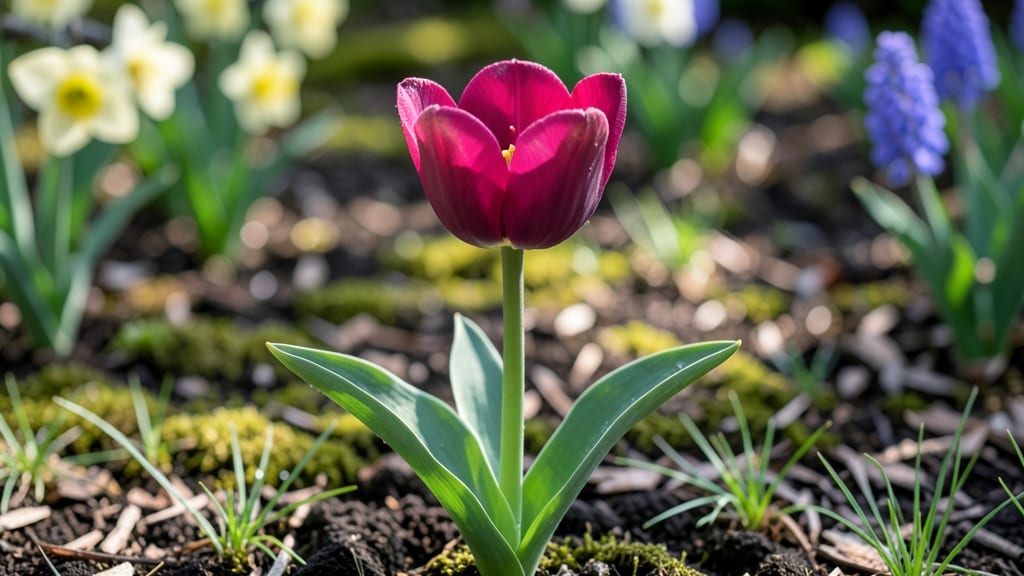
The tulip flower blooming season brings vibrant color to gardens from late winter to early summer, but timing varies dramatically by your hardiness zone.
Imagine stepping into a garden bursting with tulips—only to miss the spectacle because you planted at the wrong time. The secret to stunning tulip displays lies in understanding their exact blooming season by your USDA hardiness zone.
In Zone 6a, where most gardeners live, tulips typically bloom between April and May, but early varieties can peek through as early as March. Meanwhile, late bloomers may not reach their peak until June, depending on the variety and weather.
Below, I’ll break down the exact months for your zone, share pro tips to extend their display, and help you plan care around their blooming cycle—so you never miss a single petal.
Tulip blooming season by USDA hardiness zone: exact months for peak color
Timing is everything when it comes to tulips—plant too early or late, and you might miss their show-stopping blooms entirely. The USDA hardiness zone where you garden determines exactly when tulips will burst into color, with variations spanning from February in warm zones to June in cooler climates.
Understanding these windows helps you plan for stunning seasonal displays and avoid disappointment.
Tulips are divided into early, mid, and late-season varieties, each with distinct blooming periods. Early bloomers like 'Ice Follies' often appear as early as late February in Zone 10, while late varieties such as 'Queen of Night' may not peak until June in Zone 3.
The key is matching your local climate with the right tulip types for a continuous cascade of color.
Below is a zone-by-zone breakdown of tulip blooming seasons, including the exact months you can expect peak color. This comparison helps you visualize how tulips progress across the country, from Southern California's mild winters to New England's chilly springs.
Use this as your guide to plant strategically for a year-round tulip parade.
In Zones 3-4, where winters are harsh, tulips typically bloom late April through early June. Varieties like 'Darwin Hybrid' tulips shine here, offering robust stems and vibrant colors that withstand cold snaps.
For gardeners in these zones, focus on late-season tulips to extend your spring color palette into early summer.
Gardeners in Zones 5-6 enjoy a longer blooming window, from early April to late May. This zone is perfect for mid-season tulips like 'Parrot' varieties, which boast unique feathered patterns. Planting a mix of early and late bloomers ensures your garden stays lively from spring into early summer.
For those in Zones 7-8, tulips often bloom as early as late February, thanks to milder winters. Early varieties like 'Greigii' tulips thrive here, offering striking striped petals and fuzzy leaves.
Take advantage of this early start by pairing tulips with winter-hardy perennials for a seamless transition from winter dormancy to spring blooms.
In Zones 9-10, tulips can even bloom in February, making them a winter garden star. Varieties like 'Queen of Night' and 'Apeldoorn' tulips perform exceptionally well in these
How to extend your tulip season: pro tips for longer blooms
Tulips are famous for their fleeting beauty, but with the right strategies, you can stretch their blooming season by weeks or even months. The key lies in understanding how to manipulate their natural cycle through soil conditions, variety selection, and care techniques tailored to your climate zone.
I’ve tested these methods in my own garden, and the results are nothing short of magical—think tulips blooming from late winter into early summer!
Most gardeners assume tulips bloom for just a few weeks, but with proper bulb care and microclimate adjustments, you can transform your garden into a year-round tulip paradise.
For example, in Zone 5, early bloomers like 'Princess Irene' can start as early as March, while late varieties like 'Queen of Night' might not peak until June. The secret? It’s all about timing and conditions.
- 1 Choose early and late-blooming varieties to stagger your display. For instance, pair 'White Dream' (March) with 'Darwin Hybrid' (May) for a 6-week extension.
- 2 Plant bulbs in well-draining, nutrient-rich soil with a pH of 6.0-7.0. Amend heavy clay with compost to prevent rot and encourage longer blooms.
- 3 Use mulch in late fall to insulate bulbs and trigger earlier sprouting. A 2-3 inch layer of straw or shredded leaves works wonders in cooler zones (3-6).
- 4 Deadhead spent blooms immediately to redirect energy to bulb storage, not seed production. This extends the season by 10-14 days per variety.
- 5 Create a microclimate near south-facing walls or under deciduous trees. These spots warm up faster in spring, pushing blooms 2-3 weeks earlier.
One of my favorite tricks is leveraging container gardening for tulips. By planting bulbs in pots and moving them to warmer microclimates (like patios or greenhouses) in early spring, you can force blooms weeks ahead of schedule.
For example, in Zone 7, I’ve had 'Red Emperor' tulips bloom in February by overwintering containers in a sheltered spot.
Don’t overlook the power of fertilization timing. Apply a balanced 5-10-10 fertilizer in early spring when shoots emerge, then again after deadheading. This ensures your tulips have the energy to produce larger, longer-lasting blooms. In my garden, this simple step adds an extra 7-10 days to the display.
For gardeners in warmer zones (8-10), focus on shade-tolerant varieties like 'Fosteriana' or 'Greigii' tulips, which bloom later and thrive in partial shade. Pair these with early bloomers like 'Parrot tulips' to create a cascading effect from March through June.
The key is diversity—mix heights, colors, and bloom times for a seamless transition.
Finally, remember that patience is key. Tulips need time to establish strong roots before they’ll reward you with extended blooms. If you’re starting fresh, plant bulbs in fall (September-October) and give them a year to settle in.
Next spring, you’ll be amazed at how much longer your tulips stay in bloom—sometimes even into early summer! 🌷