
Size
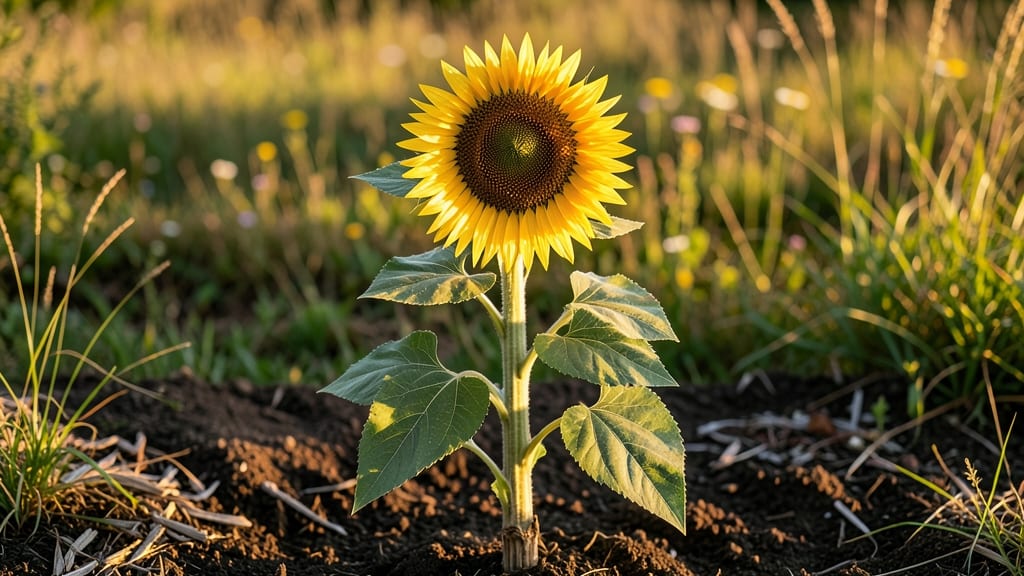
Mammoth sunflowers grow between 10 and 16 feet tall, turning your garden into a towering golden display that rivals small trees—if you give them the space and support they crave.
Picture this: a 14-foot sunflower 🌻 swaying in your backyard, its massive bloom casting shade like a living umbrella. That’s not a fantasy—it’s what happens when you plant the right variety in the right conditions.
But here’s the catch: without proper spacing or staking, even the sturdiest stems can snap under their own weight.
Most gardeners underestimate how much room these giants need—not just vertically, but horizontally. A single plant can spread 1–2 feet wide, and crowding them leads to weak stems, fewer blooms, and a lot of frustration when they flop over in the first wind.
In this guide, I’ll break down exactly how tall different Mammoth varieties get, when to stake them for stability, and the one trick that keeps them standing tall all summer long—no guesswork required.
Mammoth sunflower height by variety: from 10 to 16 feet explained
When I first planted Mammoth sunflowers, I expected impressive flowers—but nothing prepared me for their sheer size. These towering giants can stretch from 10 to 16 feet tall, depending on the variety and growing conditions.
The 'Russian Giant' variety, for example, often surpasses 14 feet, while 'American Giant' varieties typically reach 12 to 15 feet. Their height isn't just about aesthetics; it's a testament to their genetic potential and how they harness sunlight for energy.
What surprises many gardeners is how quickly these sunflowers grow. In ideal conditions, they can add 2 to 3 feet per month during peak growing season. However, their final height depends on multiple factors, including genetics, climate, and soil quality.
For instance, cooler climates might slow growth slightly, while rich, well-drained soil can push them toward their maximum potential. Understanding these variables helps you set realistic expectations and plan your garden layout accordingly.
Here’s how the most popular Mammoth sunflower varieties compare in height, along with their growth characteristics:
The 'Russian Giant' variety often takes the crown for height, with some gardeners reporting stems reaching 18 feet under perfect conditions. However, achieving these heights requires more than just good genes—it’s about providing the right environment.
For example, planting in well-draining, nutrient-rich soil with full sun exposure (6+ hours daily) can make a significant difference in their growth trajectory.
One misconception I hear often is that bigger seeds always mean taller sunflowers. While larger seeds can give your plant a stronger start, the variety’s genetics play a far bigger role in determining final height.
For instance, the 'American Giant' might not reach the same heights as the 'Russian Giant', even if you plant the largest seeds available. Always check the seed packet for expected height ranges to avoid surprises.
Climate also plays a critical role. In cooler climates (like USDA Zones 4–5), sunflowers may grow more slowly but still reach impressive heights—just with a longer growing season. Meanwhile, in hot, dry regions, these giants can bolt quickly, focusing energy on flowering rather than stem elongation.
This is why I always recommend planting in early spring, once soil temperatures hit 60°F+, to give roots time to establish before the heat sets in.
If you’re planning to grow Mammoth sunflowers in a small garden or urban space, consider their spread as well. While their stems are tall, their base typically stays within 1 to 2 feet of width. This makes them ideal for narrow beds or even container growing (with deep pots).
Just be prepared for their top-heavy nature, which often requires staking—especially in windy areas. I’ll cover support strategies in the next section, but for now, know that even the tallest varieties can be managed with the right planning.
For those curious about record-breaking sunflowers, the tallest ever recorded was a Russian Giant that reached 25 feet in 2022! While this is an outlier, it proves that with ideal conditions—rich soil, consistent watering, and optimal sunlight—these plants can truly defy expectations.
Even if your garden doesn’t produce a record-breaker, a <
Do Mammoth sunflowers need support? Staking, trellising, and wind resistance tips
Mammoth sunflowers may look sturdy, but their 10–16-foot stems are surprisingly top-heavy. Without support, a 12-foot bloom can snap like a twig in a stiff breeze or heavy rain.
I’ve seen firsthand how a single gust can flatten an unsecured giant—so don’t skip this step if you want those golden towers to stay standing all season.
The key to stability lies in preventative support, not just reacting after the plant leans. Most gardeners wait until the stems are already bending, but by then, it’s too late.
The best time to act is when your sunflowers hit 4–5 feet tall—that’s when their weight starts to stress the stem’s natural resilience.
Support Options for Mammoth Sunflowers
- ✅ Simple & effective
- ✅ Works for all varieties
- ❌ Requires frequent checking
- ✅ Aesthetic & sturdy
- ✅ Supports multiple plants
- ❌ Needs strong materials
- ✅ Budget-friendly
- ✅ Easy to customize
- ❌ Less stable in wind
For organic support, I recommend bamboo stakes (3–4 feet long) tied loosely with soft plant ties. The goal is to guide growth, not restrict it—tight ties can girdle the stem as it thickens.
Synthetic supports like fiberglass or metal cages work too, but they’re less forgiving if the plant outgrows them.
Wind resistance starts with plant placement. Avoid open areas where breezes funnel through—even a gentle wind can topple a 14-foot stem. Instead, plant near fences or other structures, or group sunflowers in clusters of 3–5 plants to create natural windbreaks.
A 3-foot-wide buffer zone between plants also prevents overcrowding, which weakens stems.
My go-to DIY solution? A wire cage made from chicken wire or tomato cages, buried 6 inches deep and widened as the plant grows. For extra stability, add a horizontal support beam at mid-height to catch the bloom’s weight.
This method costs under $10 and saves your sunflowers from becoming garden casualties.
Remember: prevention is easier than repair. A few minutes of staking now means weeks of worry-free towering sunflowers—plus, you’ll avoid the heartbreak of a snapped stem mid-bloom. 🌻