
Planting
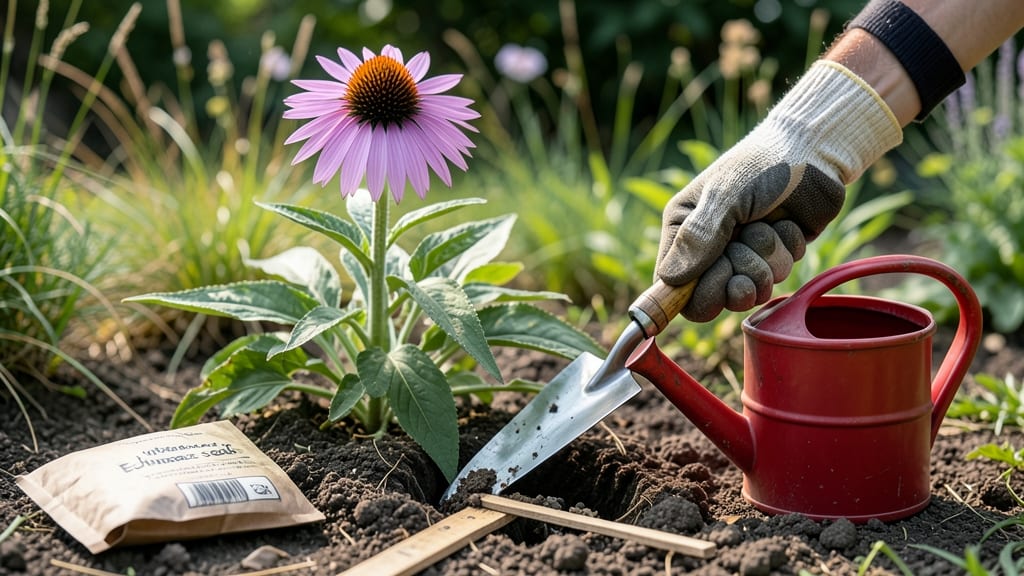
How deep to plant coneflower seeds at ¼-inch depth is the secret to strong, healthy starts that bloom into those vibrant 🌼 flowers you love.
Struggling to get your coneflower seeds to sprout? Planting them at the wrong depth can mean the difference between a thriving garden and wasted effort—here’s the exact planting depth you need for maximum germination success.
Coneflowers thrive in USDA Zone 6 when planted in spring (March–April), but getting the depth right is critical. Too shallow, and they dry out; too deep, and they rot before sprouting. The ¼-inch rule works for most varieties, but soil type and moisture play a role too.
Below, I’ll break down the step-by-step process, including soil prep, spacing, and post-planting care to ensure your coneflowers pop up fast and grow strong.
Optimal coneflower seed planting depth by species type
Getting your coneflower seeds to sprout reliably starts with the right planting depth. Unlike many flowers, coneflowers (genus Echinacea) have specific depth requirements that vary by species and soil conditions.
Plant too shallow, and seeds dry out; too deep, and they rot before sprouting. Here’s the exact depth guide you need for each variety, plus how to adjust for your garden’s unique conditions.
Most coneflower varieties thrive when planted at ¼-inch depth, but soil type and moisture levels can change this. Sandy soils dry out faster, requiring slightly shallower planting, while clay soils hold moisture longer, allowing for a deeper approach.
Let’s break down the specifics for your most common coneflower species to ensure strong, healthy starts every time.
🌱 Pro Tip: Always use a moisture meter or your finger to check soil dampness before planting. If the top inch feels dry, water lightly before sowing to create an ideal germination environment.
| Species | Optimal Depth (inches) | Soil Adjustments | Germination Time |
|---|---|---|---|
| Echinacea purpurea (Purple Coneflower) | ¼ inch | Sandy: ⅛ inch; Clay: ⅓ inch | 10-21 days |
| Echinacea pallida (Pale Purple Coneflower) | ⅛ inch | Sandy: ⅛ inch; Clay: ¼ inch | 14-28 days |
| Echinacea paradoxa (Yellow Coneflower) | ⅛ inch | Sandy: ⅛ inch; Clay: ⅛ inch | 7-14 days |
| Echinacea atrorubens (Black Sampson) | ⅛ inch | Sandy: ⅛ inch; Clay: ⅛ inch | 12-20 days |
| Echinacea tennesseensis (Tennessee Coneflower) | ⅛ inch | Sandy: ⅛ inch; Clay: ¼ inch | 10-18 days |
💧 Moisture Note: Adjust depth shallower in dry climates, deeper in humid regions.
For Echinacea purpurea, the most popular variety, a ¼-inch depth is ideal in average garden soil. However, if your soil is sandy and well-draining, reduce this to ⅛ inch to prevent seeds from drying out.
In heavy clay soils, you can plant slightly deeper at ⅓ inch to retain moisture without risking rot.
If you’re unsure about your soil type, perform a simple test: Grab a handful of moist soil and squeeze it. If it crumbles easily, it’s sandy; if it holds shape, it’s clay.
This quick check helps you adjust planting depth on the spot. For mixed soils, stick to the ¼-inch standard unless you notice poor germination rates.
🌿 Soil Prep Tip: Add compost or perlite to heavy clay soils to improve drainage and reduce the need for deeper planting. This also speeds up germination by keeping moisture levels consistent.
Moisture levels play a critical role in adjusting coneflower seed depth. In arid climates, even the standard ¼-inch depth may be too much—reduce it to ⅛ inch and use a seedling heat mat to encourage faster sprouting.
Conversely, in humid regions, you can safely plant up to ⅓ inch deep without risking rot.
Another key factor is seed coating. Many commercial coneflower seeds come pre-coated with a gel or polymer to retain moisture. If your seeds have this coating, plant them ⅛ inch deeper than the standard guidelines, as the coating acts like extra insulation.
Always check the seed packet for specific instructions, as
Step-by-step guide: planting coneflower seeds at the right depth
Getting your coneflower seeds to sprout requires precision, especially when it comes to planting depth. These delicate seeds need just the right amount of soil coverage to germinate properly without rotting.
The ideal depth for Echinacea seeds is 1/4 inch—any deeper, and they may struggle to break through the soil, while planting too shallow can leave them exposed to drying out or bird damage.
Before you begin, gather your garden tools, including a small hand trowel, a ruler or depth gauge, and a spray bottle for gentle watering. Work in spring or early summer when soil temperatures are consistently above 60°F (15°C)—this ensures faster germination and stronger seedlings.
Coneflowers thrive in well-draining soil, so avoid heavy clay unless amended with compost.
- 1 Prepare the soil: Loosen the top 6 inches of soil with a garden fork or tiller. Mix in 1-2 inches of compost to improve drainage and fertility. Coneflowers prefer slightly acidic to neutral soil (pH 6.0-7.0).
- 2 Mark planting rows: Use a stick or string to create rows 12-18 inches apart. This spacing gives mature coneflowers room to spread their roots. For small gardens, you can space seeds 6-12 inches apart in clusters.
- 3 Plant seeds at 1/4-inch depth: Gently place 2-3 seeds per planting spot, spacing them 6 inches apart within the row. Use your finger or a small tool to create a shallow furrow, then place seeds inside. Avoid dropping them too close together—crowding leads to weak, leggy seedlings.
- 4 Cover seeds lightly: Sprinkle a thin layer of fine soil or sand over the seeds to achieve your 1/4-inch depth. Press gently with your finger to ensure contact with the soil. Avoid compacting too hard—this can prevent proper air circulation.
- 5 Water gently but thoroughly: Use a spray bottle or fine mist setting on your hose to moisten the soil. Aim for 1 inch of water per week, keeping the soil consistently moist but not soggy. Avoid overhead watering, which can dislodge seeds or cause fungal issues.
- 6 Verify depth without disturbing seeds: Insert a ruler or depth gauge into the soil near your seeds. If the gauge shows less than 1/4 inch of soil over the seeds, add a tiny bit more. If it’s deeper, gently scrape away excess soil with a butter knife to expose the seeds slightly.
- 7 Mulch and monitor: Apply a 1-inch layer of mulch (straw or shredded leaves) to retain moisture and suppress weeds. Check the soil daily for the first 10-14 days—seeds should sprout within this time if conditions are ideal. Thin seedlings to the strongest 1 per planting spot once they reach 2 inches tall.
If you’re planting in containers, use a well-draining potting mix and follow the same 1/4-inch depth rule. Coneflower seeds germinate best in warm soil, so consider using a seedling heat mat if your climate is cool.
Once seedlings emerge, provide full sun (6+ hours daily) and reduce watering slightly to encourage strong root development.
Remember, coneflowers are tough once established, but they need a little extra care during germination. With the right depth and consistent moisture, you’ll see those first bright green leaves in just a few weeks—setting the stage for stunning blooms next summer. Happy planting! 🌼