
Plants
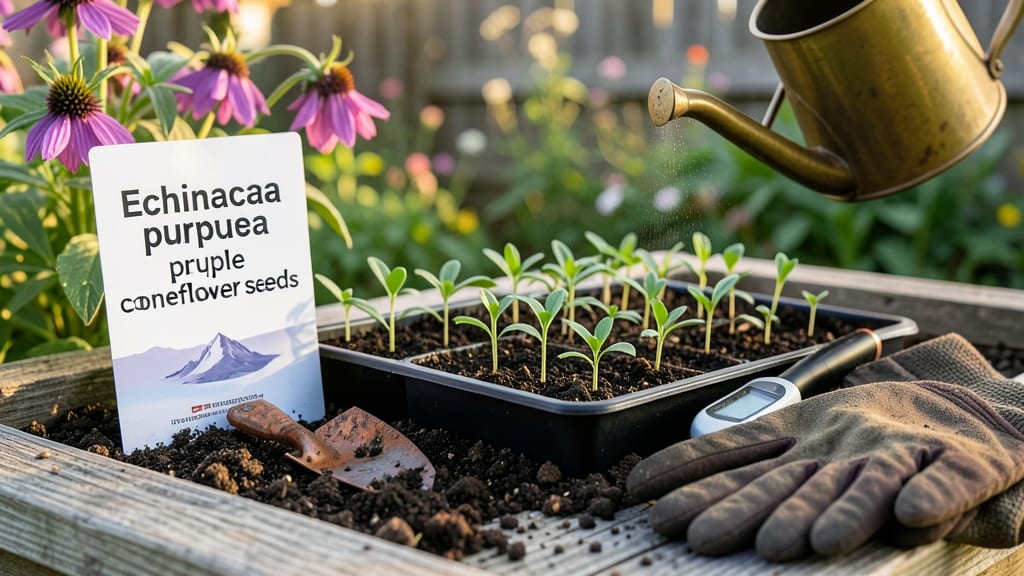
Planting coneflower seeds at the right time means the difference between a vibrant summer garden and a missed opportunity.
Timing your coneflower seed planting can mean the difference between vibrant blooms next summer and a disappointing patch of dirt—here’s exactly when to sow for maximum success in your hardiness zone.
In Zone 6a, where spring frost lingers until mid-April, the ideal window opens in early May. But if you’re in a warmer region, you can start as early as April or even sow in late summer for fall blooms.
Below, I’ll break down the exact frost-free timeline by zone, soil prep tips, and how to adjust for early or late springs to ensure fast, healthy growth.
Best planting months for coneflower seeds by USDA hardiness zones
Getting your coneflower seeds in the ground at the right time ensures strong germination and vibrant blooms next summer. Since coneflowers thrive in full sun and well-draining soil, timing your planting around your last frost date is critical.
Whether you're in zone 3 or zone 10, knowing the ideal window for direct sowing or indoor starts makes all the difference.
Coneflowers are perennial plants that benefit from being planted either in early spring or late summer. Spring planting gives them time to establish roots before summer heat, while fall planting allows them to grow slowly through winter.
Let’s break down the best months for each USDA hardiness zone to maximize your success.
Pro Tip: Always check your local last frost date—it’s the best indicator for spring planting. For fall planting, aim for 6-8 weeks before frost to give seeds time to germinate before winter sets in.
| USDA Zone | Spring Planting Window | Fall Planting Window | Indoor Start Time | Notes |
|---|---|---|---|---|
| Zones 3-4 | Late April - Early May | Mid-August - Early September | Indoor: March 15 | Wait until soil warms to 60°F+ |
| Zones 5-6 | Mid-April - Mid-May | Late August - Mid-September | Indoor: March 1 | Direct sow after last frost |
| Zones 7-8 | Early April - Early May | September - Early October | Indoor: February 15 | Fall planting preferred |
| Zones 9-10 | February - March | October - November | Indoor: January 1 | Avoid summer heat stress |
If you’re in zones 3-4, wait until the soil temperature reaches at least 60°F before planting outdoors. In colder climates, starting seeds indoors 6-8 weeks before your last frost date gives them a head start.
For zones 5-6, direct sowing after frost is ideal, but cover young seedlings with row covers if nighttime temps dip below 50°F.
In zones 7-8, fall planting is often more successful because it avoids the intense summer heat. Sow seeds in September for strong root development over winter.
For zones 9-10, plant in winter months to escape summer heat stress, which can stunt growth. Always water deeply after planting to encourage germination.
Adjust your planting timeline if you experience an early or late spring. Use a soil thermometer to confirm temperatures are right—coneflower seeds need consistent warmth to sprout. If frost threatens, protect young plants with frost cloth or move pots indoors temporarily.
For direct sowing, scatter seeds ¼ inch deep and space them 12-18 inches apart. If starting indoors, use seed trays with well-draining mix and keep them in a warm, sunny spot. Transplant seedlings outdoors once they’ve developed 2-3 true leaves and all danger of frost has passed.
Remember, coneflowers are drought-tolerant once established, but seedlings need consistent moisture to thrive. Mulch around plants to retain soil moisture and suppress weeds. With the right timing and care, you’ll enjoy stunning blooms from midsummer through fall.
🌼
How to adjust planting time for coneflower success in different climates
Coneflowers thrive in diverse climates, but their planting window shifts dramatically depending on where you live. In high-altitude areas like Colorado or Utah, cooler temperatures mean you should plant 4-6 weeks later than coastal regions.
Meanwhile, coastal zones with milder winters allow earlier sowing—sometimes as early as February—while drought-prone areas benefit from fall planting to avoid summer heat stress.
Instead of relying solely on calendar months, I always check soil temperature—coneflower seeds need soil that’s at least 55°F (13°C) for optimal germination. A soil thermometer is your best friend here.
In Zone 5, this might mean waiting until late May, while in Zone 9, you could start as early as February.
Here’s how to fine-tune your planting schedule based on your local conditions:
- Wait until after May 15—frost risk lingers longer at elevations above 5,000 ft.
- Use black plastic mulch to warm soil faster and extend the growing season.
- Aim for early September fall planting if your zone has short summers.
- Start seeds indoors by February or direct-sow in March—cooler coastal air delays spring warming.
- Watch for marine layer fog, which can slow germination—plant in sunniest microclimates.
- Fall planting works until October 15 in mild coastal zones like Zone 8-9.
- Plant in early fall (September) to establish roots before summer heat arrives.
- Use drip irrigation or soaker hoses to avoid water stress during germination.
- Avoid spring planting in areas with scorching summers—seeds may rot.
For high-altitude gardeners, I recommend testing soil moisture weekly—coneflowers need consistent dampness but hate soggy roots. In coastal climates, prioritize well-draining soil to prevent fungal issues from humidity. And in drought-prone zones, group coneflowers with native grasses to create a microclimate that retains moisture.
Pro tip: If you’re unsure about your local frost dates, check the National Weather Service or your cooperative extension service for historical data. I’ve adjusted my planting schedule based on these resources for years—it’s saved me from frost damage more times than I can count!
Remember, coneflowers are resilient, but timing is everything. Whether you’re in the Rockies, Pacific Northwest, or Southwest, these adjustments will help you grow healthier plants with longer bloom times. Happy gardening! 🌼