
Flowers
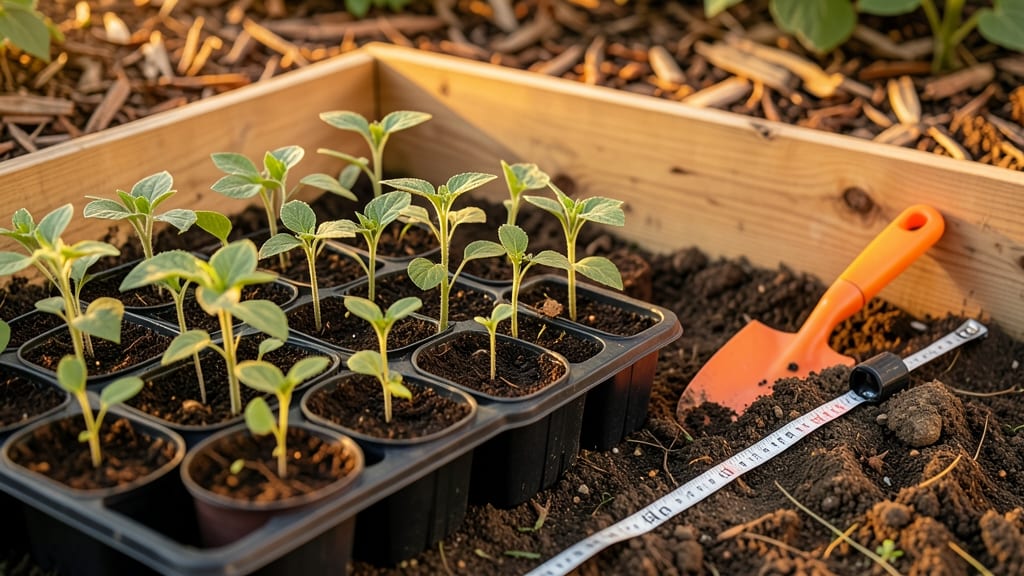
To plant sunflowers with the right spacing ensures they reach their full towering potential—whether you’re growing dwarfs for borders or giants for shade—but how far apart should sunflowers be planted is the key to unlocking that growth.
Sunflowers aren’t just beautiful—they’re powerhouses of growth, but their towering potential starts with one critical decision: spacing. Plant them too close, and you’ll stunt their growth; too far apart, and you’ll waste precious garden space.
Dwarf varieties like ‘Teddy Bear’ thrive at 12–18 inches apart, while giants like ‘Mammoth’ need 24–36 inches to avoid competition for nutrients. Below, I break down the science behind spacing, how soil type and climate adjust these numbers, and the 5 biggest mistakes that kill yields.
You’ll also discover how to pair sunflowers with companion plants, when to thin seedlings, and why a simple adjustment can mean the difference between scraggly stalks and a sunlit garden showstopper.
Optimal sunflower spacing by variety: dwarf, medium, and giant types explained
Sunflowers come in three dramatic sizes, each with unique spacing needs. Dwarf varieties like 'Teddy Bear' stay compact, while giant types like 'Russian Giant' can tower over your fence. Proper spacing ensures strong stems, disease resistance, and maximum yield—don’t crowd them or you’ll sacrifice height and blooms.
Spacing affects more than just aesthetics. Tight spacing leads to competition for nutrients, increasing disease risk like powdery mildew. Overly wide spacing wastes space and reduces pollination success. The key? Match spacing to each variety’s mature size and growth habit.
Here’s the breakdown: dwarf sunflowers (12–18 inches apart) thrive in small gardens, medium varieties (18–24 inches) work for borders, and giant types (24–36 inches) need room to reach their full potential. Let’s dive into the specifics for each category.
For dwarf sunflowers, 12–18 inches apart creates a lush, bushy display. Their shorter stature means they can handle tighter spacing without shading each other. Medium varieties need 18–24 inches to develop sturdy stems and avoid flopping in wind or rain.
Giant sunflowers are the divas of the garden—give them 24–36 inches of space to prevent stem rot and ensure they reach their full height. Crowd them, and you’ll end up with weak, leggy stalks that snap under their own weight.
Pro tip: Use in-row spacing (distance between plants in a row) and between-row spacing (distance between rows). For giants, try 36 inches in-row and 48 inches between rows for maximum airflow and sunlight penetration.
Spacing also impacts yield and seed production. Tighter spacing increases competition, reducing the number of blooms per plant. Wider spacing lets each plant focus energy on growing taller and producing more seeds.
Don’t forget about soil nutrients. In poor soil, increase spacing by 20–30% to reduce competition for nutrients. Add compost at planting time to support stronger growth without overcrowding.
For container growing, dwarf varieties like 'Teddy Bear' thrive in 12-inch pots with 1 plant per container. Medium types need 18-inch pots with 1 plant per 2–3 pots. Giant varieties? Skip containers—they need deep, in-ground roots.
Now that you’ve mastered spacing, your sunflowers will reward you with taller stems, bigger blooms, and healthier plants. Happy planting! 🌻
How to adjust sunflower spacing for soil, climate, and companion planting
Your sunflower spacing isn’t set in stone—it’s a flexible equation that changes based on your soil quality, local climate conditions, and even what you plant nearby. For example, my nutrient-poor soil in Zone 6a forces me to stretch spacing wider than the standard 18 inches for medium varieties.
Meanwhile, my neighbor in Florida packs theirs tighter to handle the humidity. Let’s break down when to adjust and why.
Start by checking your soil fertility. If your soil tests low in nutrients, wider spacing (24–36 inches) gives roots room to scavenge for resources. I once grew Mammoth Russian sunflowers in sandy soil—planting them 3 feet apart doubled their height compared to the same variety in compost-rich beds.
Conversely, amended soil lets you plant closer (18–24 inches) since nutrients are abundant.
🌱 Key Takeaway: Adjust Sunflower Spacing by Condition
| Condition | Standard Spacing | Adjusted Spacing |
|---|---|---|
| Nutrient-Poor Soil | 18–24" | 24–36" (wider roots) |
| High Humidity | 24" | 18–20" (tighter clusters) |
| Companion Planting | 12–18" | 6–12" (interplant with corn) |
| Drought Conditions | 18" | 30–36" (water conservation) |
💡 Pro Tip: Use a spacing guide (like a dowel rod) to mark rows before planting—saves time and ensures consistency!
Climate plays a surprising role too. In humid climates, I’ve found that tighter spacing (18–20 inches) reduces fungal risks by improving airflow between plants. My Teddy Bear sunflowers in Louisiana thrive in clusters of 3–4 plants spaced 18 inches apart, thanks to the natural shade they create.
Conversely, in arid regions, wider gaps (30+ inches) prevent competition for scarce water—critical for drought-resistant varieties like Autumn Beauty.
Companion planting lets you break the rules creatively. Pairing sunflowers with corn? Plant them just 6–12 inches apart—the corn’s stalks provide support, while sunflowers deter pests like raccoons.
I’ve also interplanted borage between rows (12 inches apart) to boost pollination and deter tomato hornworms. Just avoid planting near potatoes, as sunflowers compete aggressively for nutrients.
Don’t forget maturity dates. If you’re growing a mix of early and late varieties, stagger spacing: plant early-blooming types (e.g., ProCut) closer (12 inches) and late-season giants (e.g., Russian Giant) wider (36 inches).
This ensures all plants get sunlight and prevents shading issues. I once had a row of Moulin Rouge sunflowers tower over my Little Becka dwarfs, blocking their light entirely!
Experiment with container growing too. In pots, reduce spacing to 6–12 inches for dwarf varieties like Sunspot, but ensure each plant has at least a 12-inch diameter container to avoid root binding.
Last year, my balcony garden produced 12 blooms from a single 5-gallon pot by planting 4 Teddy Bear sunflowers in a square pattern. Just monitor for overcrowding signs like yellowing leaves or weak stems.
🌻 Remember, the "perfect" spacing is a moving target. Start with your soil’s needs, tweak for climate, and let companion plants guide your layout. My sunflower patch now thrives with a mix of 18-inch and 30-inch gaps—proof that flexibility is the secret ingredient! 🌱