
Planting
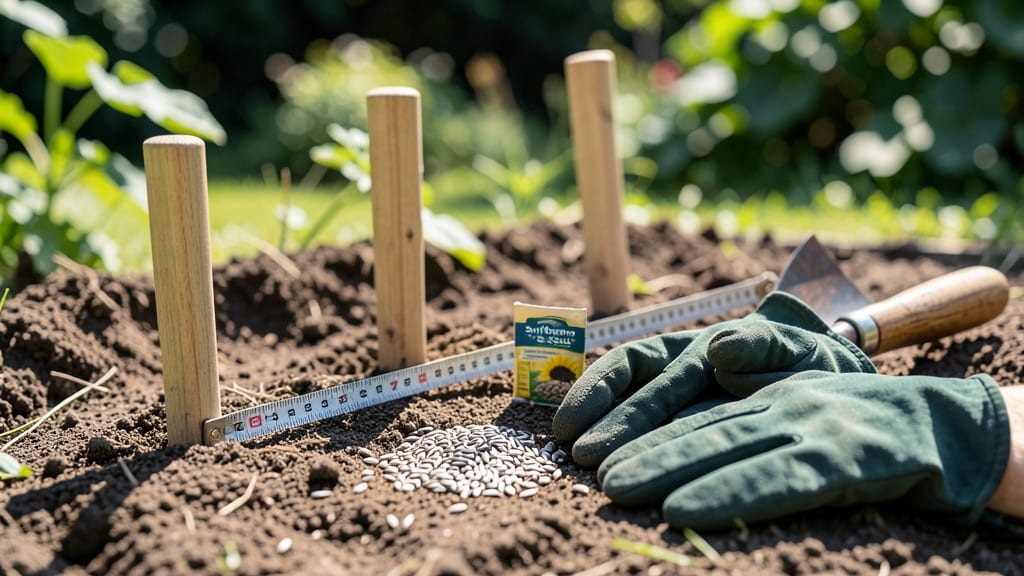
To plant sunflower seeds the right distance apart is the secret to strong stems and abundant blooms 🌻 — too close, and they’ll fight for space; too far, and you’ll waste garden real estate.
Picture this: a row of sunflowers so packed they lean drunkenly toward the sun, their stems weak from competing for nutrients. Or worse, a patch of lonely giants with nothing but air between them.
The spacing you choose now determines whether your sunflowers grow tall and proud or flop like overgrown weeds.
Most gardeners assume a one-size-fits-all rule works, but sunflower spacing depends on whether you’re growing dwarf varieties for containers or giant cultivars that could outshine your fence. A 6-inch gap might work for midgets, but 24 inches is the sweet spot for towering stalks.
In this guide, I’ll break down the exact spacing for every sunflower type, plus pro tips for adjusting rows, saving space in small gardens, and avoiding the three biggest spacing mistakes that ruin harvests.
Optimal sunflower seed spacing by variety: tall vs dwarf guidelines
Sunflowers aren’t one-size-fits-all when it comes to spacing. Giant varieties like 'Mammoth' can reach 12 feet tall, while dwarf types like 'Teddy Bear' max out at 3 feet.
Plant them too close, and you’ll end up with weak stems and stunted blooms—or worse, a tangled mess that blocks sunlight for all plants. The key is matching your sunflower variety to its ideal spacing to ensure strong growth and vibrant flowers.
Let’s break down the exact distances for each type.
For tall sunflowers (6–12 feet), I recommend spacing seeds 18–24 inches apart in rows that are 3–4 feet apart.
This gives their deep taproots room to spread while preventing shade competition between plants. Standard varieties (5–6 feet) need slightly less room: 12–18 inches apart in rows 2–3 feet apart.
Meanwhile, dwarf sunflowers (2–3 feet) thrive with 6–12 inches apart in rows 1–2 feet apart, making them perfect for small gardens or containers.
Here’s the visual guide to spacing sunflower seeds by variety, including row and in-row distances to maximize airflow and sunlight exposure:
| Variety Type | Mature Height | In-Row Spacing (inches) | Row Spacing (feet) | Best For |
|---|---|---|---|---|
| Giant Sunflowers | 6–12 ft | 18–24" | 3–4 ft | Cut flowers, large gardens |
| Standard Sunflowers | 5–6 ft | 12–18" | 2–3 ft | Backyard borders, pollinators |
| Dwarf Sunflowers | 2–3 ft | 6–12" | 1–2 ft | Containers, small spaces |
When planning your sunflower patch, consider soil drainage and wind exposure. Tall varieties need sturdy stems, so avoid planting them in windy areas unless you stake them early.
For container gardening, dwarf varieties are your best bet—opt for 5-gallon pots with 3–4 seeds per container to give roots enough space. Always plant seeds 1 inch deep and water lightly until germination, which typically takes 7–14 days in warm soil.
Pro tip: If you’re growing multiple sunflower varieties together, plant the tallest types on the north side of your garden to avoid shading shorter plants. This simple trick ensures even sunlight exposure for all your sunflowers, regardless of height.
For companion planting, pair sunflowers with bush beans or marigolds—they help deter pests and improve soil health without competing for space.
Adjust your spacing if you notice yellowing leaves or leaning stems—these are signs your sunflowers are overcrowded. Thin seedlings to the recommended distances as soon as they sprout 2–3 true leaves.
This might seem harsh, but it prevents root competition and ensures your sunflowers grow straight and strong. With the right spacing, you’ll enjoy bold, healthy blooms that turn heads all summer long.
For urban gardens or balcony containers, consider vertical trellises or hanging baskets for dwarf varieties. These creative solutions let you grow sunflowers in limited spaces without sacrificing beauty or yield. Just remember: sunlight is non-negotiable—place containers where they’ll get at least 6 hours of direct sun daily.
Finally, don’t forget that sunflowers are annuals, so you can replant new seeds each year without worrying about permanent spacing. This flexibility lets you experiment with different varieties and layouts in your garden.
Whether you’re growing giant sunflowers for cut flowers or dwarf types for pollinators, following these spacing guidelines will set you up for a successful, sun-drenched season.
Now grab your seeds, mark your rows, and get planting! With the right spacing, your sunflowers will reward you with towering beauty and abundant blooms—no floppy stems in sight. 🌻
How sunflower spacing affects growth: common mistakes and fixes
When sunflowers are planted too closely, they compete fiercely for sunlight and nutrients, leading to weak stems that flop over and smaller blooms that struggle to open fully.
I’ve seen gardens where overcrowded sunflowers grow only half their potential height, with stems so thin they snap in wind or rain. The worst part? These plants also become prime targets for fungal diseases like powdery mildew because poor airflow traps moisture.
Even if you’ve already planted your sunflowers too close together, there’s hope. The key is early intervention—thinning seedlings before they reach 6 inches tall gives roots room to expand without disturbing mature plants later.
If you’ve missed that window, we’ll cover mid-season fixes that can still save your plants from stunted growth.
One of the biggest mistakes I see is assuming all sunflowers have the same spacing needs. A 6-foot Russian Giant planted where a 3-foot Teddy Bear grows will flop like a drunk giraffe.
The root system of a giant variety spreads 3-4 feet wide, while dwarf types stay compact. Always check your seed packet for maturity height and adjust spacing accordingly.
If your sunflowers are already too close, the first step is gentle thinning. Use a hand trowel to carefully lift seedlings by their cotyledons (seed leaves)—never grab the stem.
Space remaining plants to match their mature height: 12 inches apart for standard types, 18 inches for giants. Water deeply after thinning to help roots recover.
For mid-season spacing fixes, focus on improving airflow around crowded plants. Remove 2-3 plants per square foot to create gaps, then mulch heavily with straw to suppress weeds that compete for nutrients. If stems are already weak, stake tall varieties with bamboo stakes tied loosely to prevent further bending.
Don’t forget that poor spacing also affects seed production. Overcrowded sunflowers produce smaller, fewer seeds because energy goes into stem growth instead of flower development. If you’re growing sunflowers for bird feed or cooking, proper spacing ensures a bountiful harvest with plump, healthy seeds ready for drying.
Remember: Sunflowers are resilient, but they won’t tolerate neglect. With the right spacing, you’ll get strong stems, vibrant blooms, and plants that stand tall all season—no flopping allowed! 🌻