
Propagation
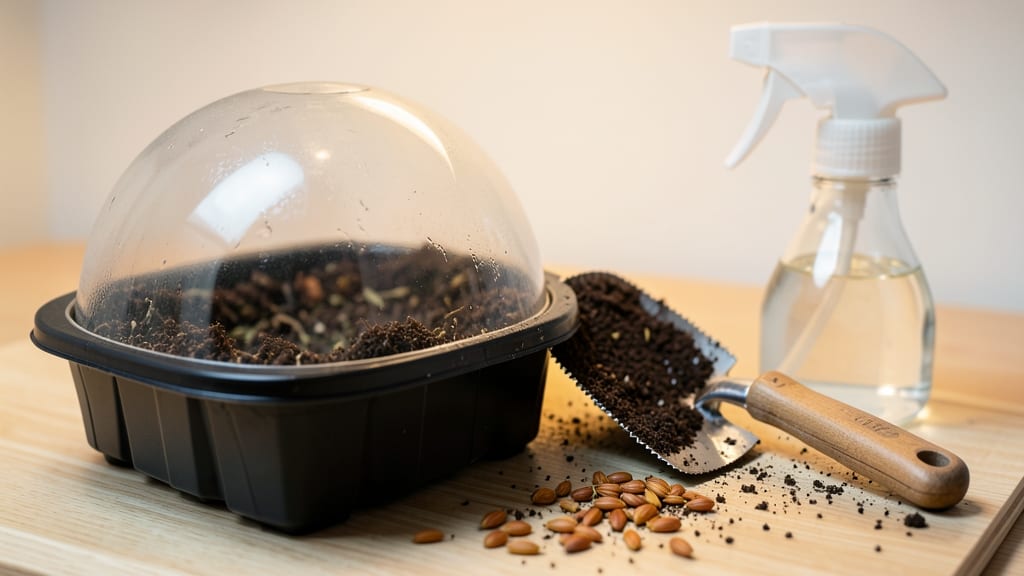
How long does it take flower seeds to germinate? The answer varies wildly—from just a few days to over a month—depending on the variety and growing conditions 🌸. Knowing that window is the difference between a thriving garden and weeks of waiting in limbo.
Waiting for flower seeds to sprout can feel like an eternity—especially when some varieties pop up in days while others take weeks. Whether you’re impatiently checking your seed trays or planning your garden’s timeline, understanding germination speed is everything.
Fast-sprouting annuals like marigolds or zinnias may crack open in 3-7 days, while perennials like delphiniums or lupines can take 3-4 weeks or longer.
Temperature, moisture, and even seed age play a huge role—so let’s break down what affects speed and how to give your seeds the best shot at success.
In this guide, you’ll find a speed chart by seed type, pro tips to cut germination time, and red flags that mean your seeds might be rotting instead of sprouting. No more guessing—just science-backed answers to get your garden growing faster.
Flower seed germination time by type: fastest to slowest sprouting species
If you’ve ever stared at a seed tray waiting for tiny green shoots to appear, you know patience isn’t a gardener’s strongest virtue. Some flower seeds crack open in less than a week, while others take so long you might replant before they even think about sprouting.
Understanding these germination timelines helps you plan better—whether you’re starting a summer border or a winter greenhouse project.
The speed at which seeds germinate depends on three key factors: seed type, soil temperature, and moisture levels.
Fast germinators like marigolds or zinnia can pop up in just 3-7 days when conditions are ideal, while delphiniums or foxglove might take 3-4 weeks to show their first leaves.
Below, I’ve ranked the most popular flower seeds from fastest to slowest, along with the optimal conditions to encourage quick sprouting.
| Flower Type | Germination Time | Ideal Soil Temp (°F) | Key Notes | Light Needs |
|---|---|---|---|---|
| Marigold (Tagetes) | 3-7 days | 70-80°F | Fastest germinator; thrives in heat | Full sun |
| Zinnia (Zinnia elegans) | 5-10 days | 70-75°F | Bright blooms; loves warmth | Full sun |
| Sunflower (Helianthus annuus) | 7-14 days | 75-85°F | Large seeds; needs depth | Full sun |
| Cosmos (Cosmos bipinnatus) | 7-21 days | 65-75°F | Drought-tolerant; self-seeds | Full sun to part shade |
| Petunia (Petunia × hybrida) | 7-28 days | 70-75°F | Slow in cool soil; needs light | Full sun to part shade |
| Snapdragon (Antirrhinum) | 10-21 days | 60-70°F | Cool-season favorite | Full sun to part shade |
| Larkspur (Consolida) | 14-21 days | 60-65°F | Delicate stems; needs support | Full sun |
| Delphinium (Delphinium) | 21-30 days | 60-68°F | Slowest germinator; needs patience | Full sun |
| Foxglove (Digitalis) | 21-45 days | 60-65°F | Biennial; starts slow | Part shade |
Notice how temperature plays a huge role? Marigolds and zinnia need warmth to sprout quickly, while foxglove and delphinium prefer cooler soils and take their time.
If you’re sowing in early spring or late fall, consider using a seedling heat mat (set to 70-75°F) to coax faster germination from slower varieties.
Moisture is just as critical. Seeds need consistent dampness (not sogginess) to activate enzymes that break down the seed coat. I recommend using a spray bottle to mist seeds daily until they sprout—this keeps the soil evenly moist without drowning tiny roots.
For large seeds like sunflowers, press them 1-2 inches deep into warm soil and water thoroughly right after planting.
Light exposure also matters, especially for petunias and cosmos, which often rot if buried too deep. These seeds need just enough light to trigger germination, so scatter them on the soil surface or use a light soil mix (like 50% perlite) to improve aeration.
Once sprouted, you can gently press them into the soil to prevent toppling.
Pro tip: If you’re impatient with slow germinators like delphiniums, try pre-soaking seeds in warm water for 12-24 hours before planting. This can cut germination time by nearly half. Just be sure to plant them immediately after soaking—they’ll dry out fast!
Finally, remember that seed age affects speed. Seeds older than 1-2 years often germinate slower or unevenly. Store your extras in a cool, dry place (like the fridge) to preserve viability.
Now that you know the germination timeline for your favorites, you can plan your garden with confidence—and maybe even beat the slowpokes to the punch!
How to speed up flower seed germination naturally (without chemicals)
Waiting for flower seeds to germinate can feel like waiting for a snail race—especially when you’ve got a sunflower seedling popping up in 3 days while your delphinium seeds still haven’t cracked. The good news?
You can cut germination time by 30-50% using simple, chemical-free tricks rooted in real science. From pre-soaking to DIY humidity domes, these methods help seeds wake up faster without risking mold or rot.
Most seeds need three things to germinate: moisture, warmth, and oxygen. But many gardeners overlook the fine-tuning—like optimal soil temps or light exposure—that can shave days (or even weeks) off your wait time.
For example, marigolds typically sprout in 3-7 days, but with the right prep, they’ll break through soil in just 2-4 days. Let’s dive into the proven techniques that work.
- Pre-soak seeds in lukewarm water for 4-12 hours (hard-coated seeds like lupines need 24 hours). Drain well before planting to prevent rot.
- Use a heat mat to maintain 70-85°F soil temps. Most seeds germinate fastest at 75°F—place trays on a seedling heat mat or near a sunny window.
- Create a humidity dome with a plastic wrap or clear lid. Mist soil daily to keep it consistently moist (not soggy) and place in bright, indirect light.
- Expose seeds to light after they sprout. Keep containers in darkness until germination (use a black plastic bag over trays) to prevent damping off.
- Scarify hard seeds (like foxglove) with sandpaper or a knife to mimic natural wear-and-tear, speeding up water absorption by 50%.
One of the biggest mistakes? Assuming all seeds need the same treatment. Tropical flowers like impatiens thrive at 80-85°F, while cool-season blooms such as snapdragons prefer 60-70°F. Always check seed packets for ideal germination temps—ignoring this can double your wait time.
For example, planting petunia seeds at 50°F might take 21 days instead of the usual 7-14 days.
If your seeds still refuse to sprout after 3 weeks, don’t toss them! Try stratification (mimicking winter cold) for perennials like peony seeds—place them in a moist paper towel in the fridge for 4-8 weeks before replanting.
Patience pays off: peony seeds often need this extra step to break dormancy. For annuals, a quick hot-water soak (dip seeds in 180°F water for 30 seconds) can shock them into action.
Remember, consistency is key. Check soil moisture daily—overwatering suffocates seeds, while underwatering halts growth. A spray bottle keeps seeds hydrated without disturbing them. Once you’ve mastered these tricks, you’ll go from “Will these ever sprout?” to “Look at my tiny seedlings!” in record time. Happy planting! 🌱