
Flowers
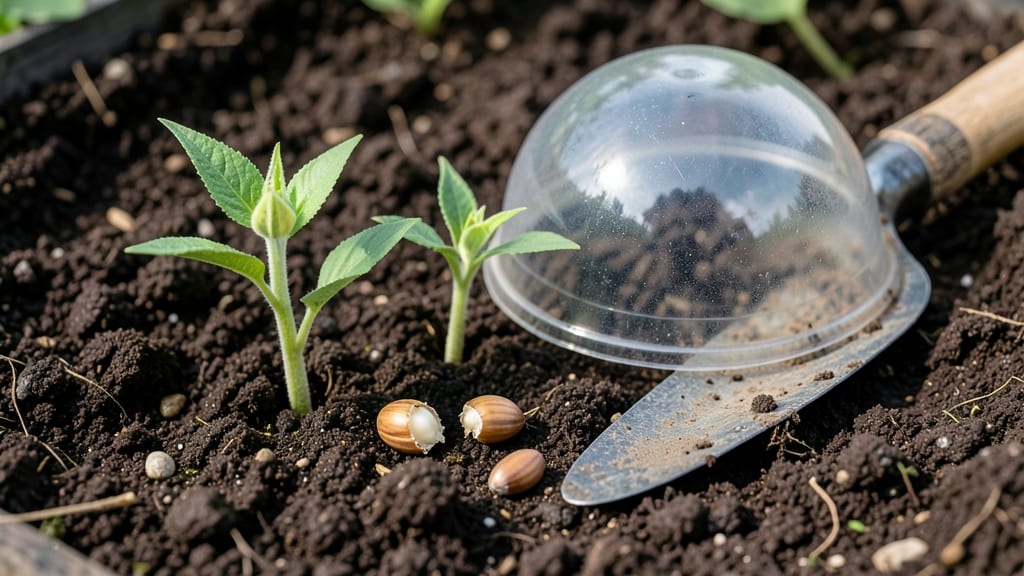
Sunflowers take between 7 and 14 days to sprout once planted, but the exact timing depends on seed type, soil warmth, and moisture levels—so patience is key.
There’s nothing quite like the moment those first tiny green shoots break through the soil, signaling your sunflower seeds 🌻 have finally taken root. But if your seeds aren’t sprouting within two weeks, don’t panic—soil temperature and moisture play bigger roles than you might think.
Most sunflower varieties germinate fastest in soil that’s at least 60°F, with consistent moisture keeping them from drying out. Pre-soaking seeds for a few hours can shave off a day or two, while planting too deep or letting the soil dry out can delay sprouting for weeks.
In this guide, I’ll break down the exact germination timeline by seed type, share the critical factors that speed up (or stall) sprouting, and give you troubleshooting tips if your seeds aren’t cooperating.
Sunflower germination timeline: when to expect sprouts by seed type
If you've ever planted sunflower seeds, you know the anticipation of waiting for those first tiny green sprouts to break through the soil. The good news? Most sunflower varieties sprout within 7-14 days under ideal conditions—but the exact timeline depends on seed type and growing factors.
Let's break down what to expect for giant, dwarf, and confectionery sunflowers, plus how to optimize your sprouting success.
Sunflowers are one of the fastest-growing plants in a garden, but their germination speed varies widely. Confectionery (edible) seeds often sprout quicker than ornamental types, while giant varieties may take slightly longer due to their larger seed size. Understanding these differences helps you set realistic expectations and troubleshoot delays.
| Sunflower Type | Germination Time (Days) | Key Factors | Best Planting Time |
|---|---|---|---|
| Giant Varieties (e.g., 'Mammoth', 'Russian Giant') | 10-14 days | Larger seeds, slower initial hydration | After last frost (soil 60°F+) |
| Dwarf Varieties (e.g., 'Teddy Bear', 'Little Becka') | 7-10 days | Smaller seeds, faster moisture absorption | Early spring or late summer |
| Confectionery (Edible) (e.g., 'Autumn Beauty', 'Russian Mammoth') | 5-12 days | High-quality seeds, often pre-treated | Soil 55-75°F (warmer = faster) |
| All Varieties (Ideal Conditions) | 3-7 days | Soil temp 80-90°F, consistent moisture | Direct sow after frost |
Temperature plays the biggest role in sunflower germination speed. Soil temperatures below 55°F can delay sprouting by 3-5 days or more, while ideal conditions (60-90°F) create the fastest results. If you're planting in cooler climates, consider using a seedling heat mat or waiting until the soil warms naturally.
Moisture is equally critical—sunflower seeds need consistent dampness (not soggy soil) to activate enzymes that kickstart growth. I recommend keeping the soil evenly moist for the first 10 days after planting. A simple trick? Cover seeds with clear plastic wrap until sprouts appear to retain humidity without overwatering.
Seed quality matters too. Older seeds (2+ years) may take 2-3 extra days to sprout, while fresh seeds from reputable suppliers germinate reliably within 5-7 days. Always check the packaging date and store seeds in a cool, dry place between plantings to maintain viability.
Light exposure after germination is often misunderstood. While sunflowers love full sun once established, they don't need light to sprout—just warm, moist soil. In fact, planting too shallow (less than 1 inch deep) can dry seeds out faster.
Aim for 1-2 inches deep for optimal moisture retention during germination.
If your sunflower seeds take longer than 2 weeks to sprout, don't panic—yet. First, check for consistent moisture and soil temperature. If conditions are ideal but nothing emerges, the seeds may have failed to store properly.
Try replanting with fresh seeds or test a few in a paper towel to see if they'll germinate indoors.
Once those first cotyledons (seed leaves) appear, expect true leaves to emerge within 3-5 days. This is when your sunflowers will start growing visibly taller.
With proper care, you'll see 1-2 inches of growth per day during their peak early stages—making them one of the most rewarding plants to watch grow!
Pro tip: Mark your planting date and track germination progress in a small notebook. Over time, you'll notice patterns based on your local climate and soil conditions. Happy growing—those sunflower sprouts won't disappoint! 🌱
5 Critical factors that speed up or delay sunflower sprouting
Sunflower seeds are eager to sprout, but their germination speed depends on several controllable factors. The most critical include soil temperature, moisture levels, and even how deep you plant them.
Getting these right can cut your wait time from weeks to days, while mistakes might leave you staring at bare soil for too long. Let’s break down what truly makes those first green shoots appear faster—or what might stall them entirely.
First, soil temperature is the #1 game-changer. Sunflower seeds need warmth to activate, and the ideal range is 60–90°F. Below 55°F, germination slows dramatically, while above 95°F, seeds can overheat.
If your spring soil is still chilly, consider using a seed heating mat or waiting until after the last frost when soil warms naturally. I’ve found that planting in late May (after soil hits 65°F) gives me sprouts in just 5–7 days.
Here’s what you need to know to optimize sprouting speed:
- 🌡️ Soil Temp: 60–90°F (sprouts in 5–14 days)
- 💧 Moisture: Keep soil damp (not soggy) for 7–10 days
- 🌱 Depth: Plant 1 inch deep—too deep delays sprouts
- ☀️ Light: Sprouts need sunlight within 3–5 days or they’ll get leggy
- ⚠️ Mistakes: Overwatering, cold soil, or old seeds can stall sprouts for weeks
Let’s tackle moisture next—this is where many gardeners go wrong. Sunflower seeds need consistent dampness but will rot if waterlogged. After planting, water gently until the soil is evenly moist 1 inch deep. Use a spray bottle or drip irrigation to avoid displacing seeds.
I’ve seen seeds sprout in just 4 days when kept perfectly moist, but if the soil dries out, germination can take 3+ weeks. A simple trick? Cover seeds with a clear plastic dome or mulch to retain humidity until sprouts appear.
Another common mistake is planting seeds too deep. Sunflower seeds contain all the nutrients they need, but burying them deeper than 1 inch forces seedlings to work harder to reach the surface. This can delay sprouting by 5–10 days.
If you’re using large seeds (like giant sunflower varieties), stick to ½–1 inch deep. Pro tip: Press seeds lightly into soil—don’t pack them down—to ensure good contact with moisture and warmth.
Don’t overlook light exposure, even though it seems counterintuitive. Sunflower seedlings need sunlight within 3–5 days of sprouting or they’ll stretch toward any available light, becoming weak and leggy. If planting in shady conditions, use a grow light or transplant seedlings to a sunnier spot immediately.
I once had a batch of sprouts take 2 weeks to appear because they were planted under a dense canopy—by the time they broke through, they were already struggling.
Finally, troubleshoot common sprouting delays. If seeds haven’t sprouted in 2 weeks, check for these issues: old seeds (plant fresh seeds for best results), cold soil (wait for warmer temps), or fungal rot (from overwatering).
A quick fix? Soak seeds overnight in lukewarm water before planting to jumpstart germination. With the right conditions, you’ll see those first shoots in as little as 4–7 days—trust me, it’s worth the wait! 🌻