
Flowers
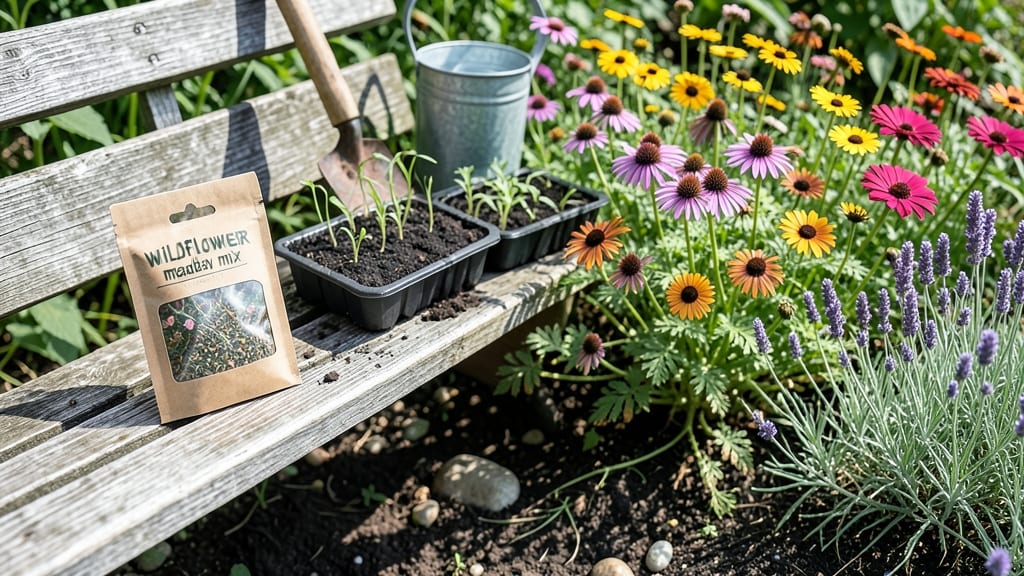
Wildflowers bloom from seed in anywhere from 6 weeks to a full year, depending on the variety and growing conditions — and knowing the timeline helps you plan for either a quick burst of color or a long-term meadow.
Picture this: you scatter seeds in March, expecting a summer show, only to stare at green sprouts for months with no flowers in sight. That’s the frustration of planting the wrong wildflowers for your timeline.
Some varieties, like cosmos and zinnias, reward you with blooms in just 6-12 weeks, while others, like foxgloves or lupines, take nearly a year to reach their full glory.
Climate, soil quality, and even your planting window play a huge role. In Zone 6a, where spring arrives late, a March sowing might not bloom until July, while a fall planting could surprise you with early spring flowers.
The key is matching your expectations to the right species — and we’ve got the month-by-month breakdown to help you strategize.
You’ll learn which wildflowers deliver the fastest results, how to coax blooms along with simple tricks, and when to expect multi-year rewards. Whether you’re dreaming of a summer cottage garden or a low-maintenance meadow, this timeline ensures you plant with purpose.
Fast-blooming wildflowers: 6-12 weeks to colorful displays
If you're dreaming of a vibrant wildflower garden bursting with color, you’ll love these fast-blooming varieties that deliver stunning results in just 6-12 weeks from seed. Unlike slow-growing perennials, these annuals and biennials are perfect for instant gratification, ideal for filling gaps in your garden or creating quick pollinator havens.
The secret to their speed? Most thrive in full sun and well-draining soil, with minimal fuss once established.
Timing your planting is everything. For spring blooms, sow seeds as soon as the soil is workable (typically 2-4 weeks before your last frost). For a fall display, plant in late summer (6-8 weeks before your first frost) to catch the cooler weather.
This seasonal strategy ensures continuous color from early summer through frost, depending on your climate zone.
Here’s a quick look at the top 5 fastest wildflowers and their blooming timelines—perfect for planning your garden’s color calendar:
| Wildflower | Bloom Time (Weeks) | Height | Sun Needs | Pro Tip |
|---|---|---|---|---|
| Cosmos | 6-8 | 2-4 ft | Full sun | Deadhead for non-stop blooms |
| Zinnias | 6-10 | 1-3 ft | Full sun | Pinch back young plants |
| Bachelor’s Buttons | 8-12 | 1-2 ft | Full sun | Sow directly in garden |
| Sweet Alyssum | 4-6 | 3-6 in | Full sun/part shade | Great for borders |
| Calendula | 6-8 | 1-2 ft | Full sun | Edible petals for salads |
To accelerate blooming, start with a light soil prep—mix in compost to improve drainage and fertility. These wildflowers are drought-tolerant once established, so avoid overwatering, which can delay flowering. Instead, water deeply once a week during dry spells to encourage strong root growth.
For a month-by-month timeline, here’s what to expect when planting in early spring:
- Week 1-2: Seeds germinate (keep soil moist).
- Week 3-4: Seedlings emerge (thin to 6-12 inches apart).
- Week 5-6: First true leaves appear (fertilize lightly if needed).
- Week 7-8: Buds form (ensure full sun daily).
- Week 9-12: Blooms open (enjoy your instant garden!).
For fall planting, adjust your timeline by 4-6 weeks later—these varieties handle cooler temps well and often bloom until frost. My favorite trick? Plant a mix of cosmos and zinnias together—they complement each other’s heights and colors beautifully while attracting butterflies and bees all season long.
Don’t overlook soil temperature—most fast-blooming wildflowers need soil that’s at least 50°F (10°C) for germination. If your spring is chilly, consider using row covers or starting seeds indoors 4-6 weeks before transplanting outdoors. This extra step can shave off critical weeks from your blooming timeline.
Pro tip: If you want continuous blooms, stagger your planting by 2-3 weeks. For example, sow half your cosmos seeds in early spring and the rest in late spring. This ensures fresh flowers all season without gaps. Pair this with regular deadheading (removing spent blooms) to encourage more
Medium-speed wildflowers: 3-6 months until first blooms
If you're dreaming of a vibrant wildflower garden but don't want to wait a year for color, medium-speed wildflowers are your perfect match. These varieties—like black-eyed Susans, coneflowers, and marigolds—typically take 3 to 6 months to bloom from seed, striking a balance between patience and reward.
Their slower start means they often produce longer-lasting blooms, making them ideal for pollinators and seasonal interest.
Understanding their growth stages—seedling, vegetative, and flowering—helps you anticipate milestones and troubleshoot delays. For example, black-eyed Susans may take 4 to 5 months to flower, while marigolds can bloom in as little as 8 weeks under ideal conditions.
Proper spacing and deadheading can extend their bloom time by weeks or even months, ensuring your garden stays colorful well into fall.
Pros & Cons of Medium-Speed Wildflowers
| Pros | Cons |
|---|---|
| Longer bloom seasons with proper care | Slower initial growth compared to fast bloomers |
| Attract pollinators like bees and butterflies | Requires patience for first blooms (3-6 months) |
| Drought-tolerant once established | Overcrowding can delay flowering |
| Multi-season interest with deadheading | Some varieties need full sun (6+ hours daily) |
One of the biggest mistakes gardeners make with these wildflowers is planting seeds too closely. Crowded plants compete for nutrients and sunlight, which can delay flowering by weeks.
Aim for 12 to 18 inches between mature plants (like coneflowers) and 6 to 12 inches for smaller varieties (like marigolds). This spacing also improves airflow, reducing the risk of fungal diseases that can stunt growth.
To extend their bloom time, practice deadheading—removing spent flowers—regularly. This encourages new blooms by redirecting the plant’s energy from seed production back to flower growth.
For example, black-eyed Susans can bloom from early summer to fall with consistent deadheading, while marigolds may produce continuous blooms if you remove faded flowers every few days.
Another tip: Fertilize lightly during the vegetative stage (when plants are growing leaves but not yet flowering). Use a balanced 5-10-10 fertilizer sparingly—too much nitrogen can promote lush foliage at the expense of flowers.
Once buds form, switch to a low-nitrogen, high-phosphorus fertilizer (like 5-20-20) to boost blooming. Avoid fertilizing in late summer, as it can encourage tender new growth vulnerable to frost.
If your wildflowers are taking longer than expected to bloom, check for these common issues: poor soil drainage, inadequate sunlight, or overwatering. Amend heavy clay soil with compost to improve drainage, and ensure your plants get at least 6 hours of sunlight daily.
Water deeply but infrequently—once a week is usually enough after establishment—to encourage strong root growth, which supports faster flowering.
With the right care, medium-speed wildflowers like black-eyed Susans and coneflowers will reward you with months of vibrant color and a thriving ecosystem for pollinators. Plan your planting schedule now, and you’ll enjoy their beauty from mid-summer through fall—no waiting for next year! 🌻