
Flowers
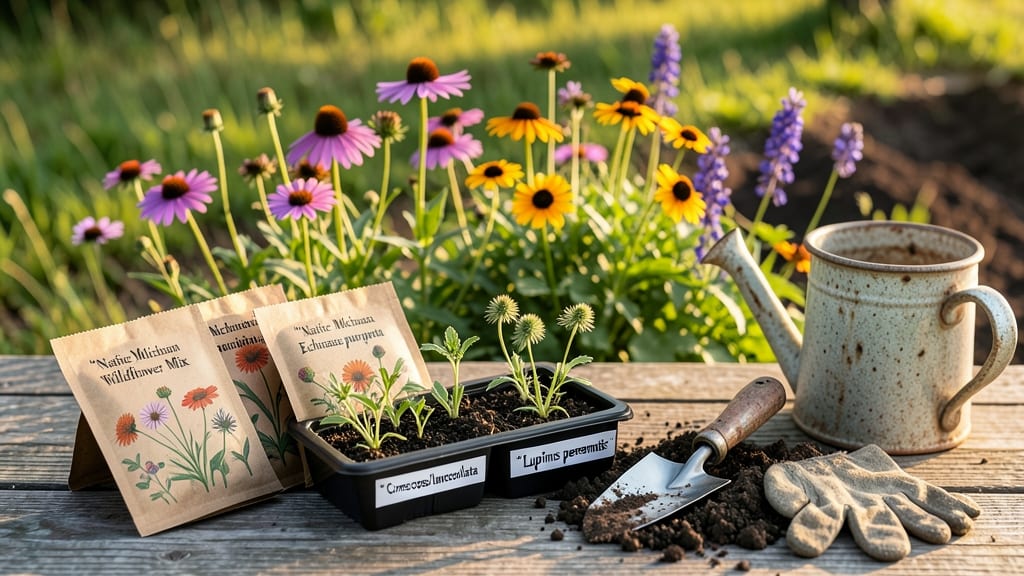
Planting wildflowers in Michigan at the right time means the difference between a vibrant meadow and a missed opportunity — and the ideal window opens 6-8 weeks before your last frost.
Michigan’s unpredictable spring weather can make wildflower planting a guessing game—but timing it right ensures your meadow bursts into color year after year. Follow this frost-free timeline tailored to Michigan’s five growing zones, and transform your landscape into a pollinator paradise.
Most gardeners in USDA Zones 5b-6b should aim for early spring (March-April) or early fall (September-October), when soil temperatures are cool and moisture is reliable. Plant too early, and a late frost will wipe out your seedlings; too late, and summer heat arrives before blooms set in.
Below, I’ll break down the exact frost-free windows by zone, the best wildflower species for Michigan’s climate, and pro tips to outsmart deer, clay soil, and drought—so your 🌼 garden thrives from the first year.
Michigan’s wildflower planting zones: when to start by USDA Zone
Michigan’s USDA Zones 4-6 create unique challenges for wildflower planting, with last frost dates ranging from early April in the south to late May in the north. Getting your timing right means the difference between a thriving meadow and seeds lost to frost.
I’ve planted wildflowers in Zone 5b for years, and I’ve learned that fall planting often outperforms spring—especially for native species.
Your planting window depends on whether you’re sowing seeds or transplanting young plants. Seeds need consistent soil temperatures (at least 40°F for most wildflowers), while transplants can handle cooler temps but still risk late frost damage.
In my experience, September-October offers the sweet spot for fall planting, letting seeds germinate before winter sets in.
Here’s how Michigan’s zones break down for optimal wildflower planting, including seed vs. transplant strategies and adjustments for unpredictable weather:
| USDA Zone | Last Frost Date | First Frost Date | Best Planting Window | Seed Planting | Transplant Planting | Adjustments for Late Frost |
|---|---|---|---|---|---|---|
| Zone 4a (Northern MI) | May 10–20 | September 20–30 | Late April–May or September | Wait until soil is 50°F+ (late May) | Transplant after May 15 (hardy species only) | Use row covers for early spring |
| Zone 4b (Upper Peninsula) | May 15–25 | September 15–25 | Late April–May or August–September | Sow seeds when soil reaches 45°F+ | Transplant after May 20 (use frost cloth) | Extend season with cold frames |
| Zone 5a (Central MI) | April 25–May 5 | October 5–15 | March–April or September–October | Direct sow after April 10 (soil at 40°F+) | Transplant after April 15 (most species) | Monitor forecasts for late April frosts |
| Zone 5b (Southern MI) | April 15–25 | October 10–20 | March–April or September–October | Sow seeds as early as March 15 (with cover) | Transplant after April 1 (most hardy) | Use mulch to protect young shoots |
| Zone 6a (Southeast MI) | April 1–10 | October 20–November 1 | February–March or September–October | Sow seeds in February (greenhouse) or March (outdoors) | Transplant after March 15 (early start) | Watch for early heatwaves (drought risk) |
For Zone 4 gardeners, I recommend prioritizing fall planting—seeds sown in September often germinate in spring before weeds take over.
In Zone 5b, where I garden, I’ve had the most success with a split strategy: sowing half in March (under cover) and half in September for staggered blooms.
When planting transplants, timing is critical. In Zone 6a, you can start as early as March 15, but in Zone 4a, wait until May 15 to avoid frost damage.
I’ve lost entire batches of black-eyed Susans to late frosts, so I now use frost cloth for the first two weeks after transplanting.
Adjusting for unpredictable weather is key. If your area faces late frosts (common in Zone 5ahardy species like yarrow or goldenrod, which tolerate cooler temps. For early heatwaves (a growing issue in Zone 6a), mulch heavily to retain moisture and prevent seed desiccation.
Pro tip: Use a planting calendar like the Michigan State University Extension’s frost date maps to pinpoint your exact window. I’ve also found that native wildflower mixes (like those from Prairie Moon Nursery) are pre-adapted to Michigan’s climate, giving you a head start on success.
Remember, fall planting gives seeds time to stratify naturally—a process that mimics winter conditions and boosts germination. If you miss the spring window, don’t despair: September-October is your next best bet for a vibrant wildflower display next summer.
Start small with a 10x10 ft patch to test your zone’s conditions. Over time, you’ll learn which species thrive and when to adjust your planting schedule. Happy gardening—your future meadow awaits!
Best wildflower species for Michigan’s climate and when to plant them
Michigan’s native wildflowers thrive when planted at the right time, ensuring vibrant blooms that attract pollinators like bees and butterflies. The key is planting black-eyed Susans, coneflowers, and milkweed during Michigan’s two ideal windows: early spring (March-April) or early fall (September-October).
These timings avoid frost damage and give roots time to establish before winter.
For spring planting, aim for after the last frost date (typically mid-April in most of Michigan). If you prefer fall planting, choose September to allow seeds to germinate before the ground freezes. Both methods work, but fall planting often yields better results because cooler temperatures reduce weed competition.
My top recommendation for Michigan gardeners is purple coneflower, which thrives in USDA Zones 3-8 and blooms from July to October. It’s drought-resistant once established and attracts butterflies and bees all season long.
For a low-maintenance option, yarrow is another winner—it spreads easily and handles Michigan’s heavy clay soils better than most.
If you’re planting for pollinators, butterfly weed (milkweed) is a must. It’s the only host plant for monarch butterflies and blooms in July and August. For a longer bloom season, mix black-eyed Susans (summer to fall) with wild bergamot (summer to early fall) to create continuous color.
Both love full sun and well-draining soil.
For fall planting, focus on September to give seeds time to germinate before the first frost. Loosen the soil, mix in compost, and scatter seeds lightly—they need light to germinate.
Water gently to keep the soil moist but not soggy. In spring, plant seeds as soon as the ground is workable (around mid-April), and cover lightly with soil or mulch.
Once planted, wildflowers in Michigan need minimal care. Water deeply once a week during the first growing season, then let them go dormant in winter. In spring, deadhead spent blooms to encourage more flowers, but leave some seed heads for wildlife.
With the right timing and a little patience, your Michigan meadow will burst into color year after year! 🌼