
Flowers
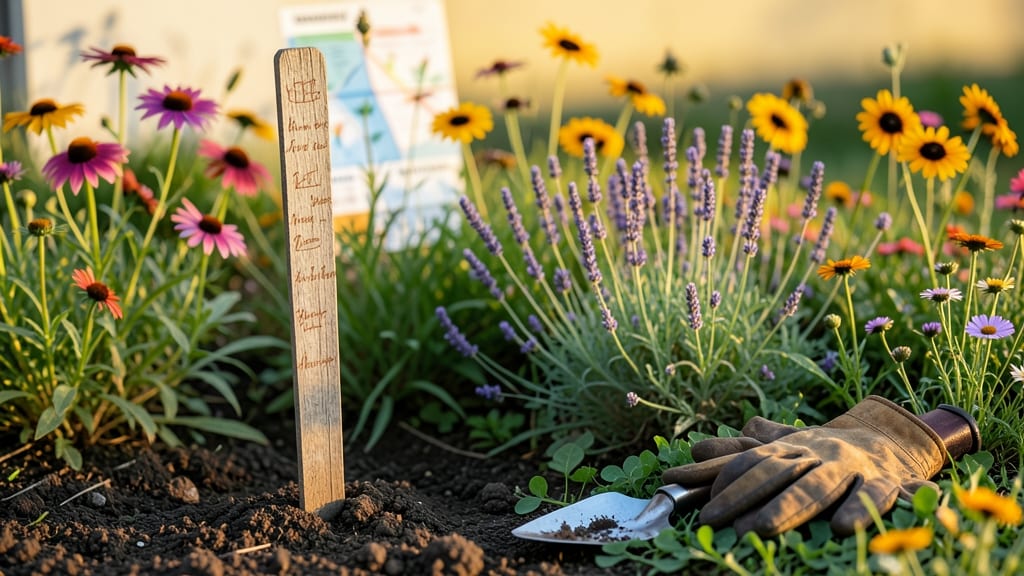
Wildflowers grow to bloom in as little as 6 weeks—or take up to 12 weeks—depending on the variety, your climate, and how you prep the soil.
Picture this: you scatter seeds in March, and by late May, your garden is a riot of color 🌼. But here’s the catch—some species, like cosmos, burst into flowers in just 60 days, while others need patience.
The secret? Choosing the right mix and giving them the care they crave.
Fast bloomers like poppies and zinnias are perfect for instant gratification, while perennials like black-eyed Susans reward you with years of color. Whether you’re planting for a quick spring show or a summer-long display, timing and variety make all the difference.
Below, I’ll break down the fastest-growing wildflowers, how to accelerate their growth, and what to expect month by month—so you can plan your garden like a pro.


Fastest-blooming wildflowers: timeline from seed to first flowers
If you're dreaming of a garden bursting with color in record time, you'll love these fastest-blooming wildflowers. Some varieties can transform bare soil into a blooming paradise in just 4-6 weeks, while others take a little longer—but all deliver stunning results with minimal effort.
The secret lies in choosing the right species for your climate and understanding their unique growth cycles.
Wildflowers like cosmos and zinnia are famous for their speed, often blooming within 60-75 days from seed. Even slower varieties like black-eyed Susans typically reward you with flowers in 75-90 days.
The key is planting at the right time—spring for most annuals, early fall for perennials—and providing the ideal conditions to accelerate their growth.
Here’s a quick look at the fastest-blooming wildflowers and their timelines from seed to those first show-stopping flowers. This table breaks down everything you need to know to plan your garden for year-round color with minimal waiting.
For the fastest results, focus on annual wildflowers like cosmos and zinnias, which bloom in as little as 40-60 days. These varieties thrive in full sun and well-draining soil, making them perfect for beginners.
If you're planting in early spring, start with seeds indoors or use seed starter gels to jumpstart growth by 1-2 weeks.
Soil preparation is critical for speedy blooms. Before planting, loosen the top 6 inches of soil to improve drainage and aeration. Mix in a 2-inch layer of compost to provide essential nutrients without overfeeding, which can delay flowering. Avoid heavy soils—wildflowers prefer light, airy conditions that mimic their natural habitats.
Watering plays a huge role in accelerating bloom times. Newly planted seeds need consistent moisture to germinate, but once established, most wildflowers are drought-tolerant. Water deeply once a week during dry spells, focusing on the soil around the base of the plants.
Avoid overhead watering to prevent fungal diseases that can stunt growth.
To extend your blooming season
How to speed up wildflower growth: pro tips for faster blooms
If you're eager to see your garden burst into color, the good news is that wildflowers can bloom 20-30% faster with the right techniques. The key lies in understanding their natural growth cycles and giving them a head start.
For example, cosmos typically bloom in 60 days, but with pre-soaking seeds, you can shave off 10-15 days from that timeline. The secret? Mimicking natural conditions that trigger faster germination and growth.
One of the fastest ways to accelerate growth is by pre-soaking seeds before planting. Many wildflower seeds have hard outer shells that slow down germination. Soaking them in warm water for 12-24 hours softens the shell, allowing roots to emerge 3-5 days sooner.
This method works especially well for poppies, zinnias, and sunflowers, which are known for their quick blooming cycles.
Another game-changer is using seed starter gels. These gels provide immediate hydration and nutrients, giving seeds the boost they need to sprout faster.
Simply place the gel on top of the soil, scatter your seeds, and watch them germinate in as little as 5-7 days instead of the usual 10-14 days. This method is perfect for gardeners who want instant results without waiting for natural rainfall.
Speed Up Wildflower Growth: Pros and Cons
| Method | Pros | Cons |
|---|---|---|
| Pre-soaking seeds | Faster germination (3-5 days sooner) | Requires monitoring to avoid over-soaking |
| Seed starter gels | Immediate hydration and nutrients | Higher cost than traditional methods |
| Companion planting | Reduces pests and improves growth | Requires careful planning |
| Seasonal planting hacks | Optimizes bloom timing for your climate | Limited to specific planting windows |
Companion planting is another clever trick to speed up growth. Pairing wildflowers with fast-growing ground covers, like clover or creeping thyme, helps suppress weeds and retain soil moisture. This creates an ideal environment for your wildflowers to thrive, reducing stress and accelerating their growth by up to 15%.
For example, planting marigolds alongside zinnias can deter pests and encourage faster blooming.
Timing your planting is crucial for faster blooms. If you live in a cooler climate, start seeds indoors 4-6 weeks before the last frost to give them a head start. For warmer regions, direct sow seeds in early spring or late summer to take advantage of consistent temperatures.
This seasonal hack ensures your wildflowers bloom 2-4 weeks earlier than if planted at random times.
Finally, don’t underestimate the power of consistent watering. Wildflowers need deep, infrequent watering to develop strong roots, but keeping the soil evenly moist during the first 4-6 weeks can cut bloom time by 10-20%.
Use a drip irrigation system or soaker hose to deliver water directly to the roots without wetting the foliage, which reduces the risk of disease and encourages faster growth.
With these pro tips, you can transform your garden into a blooming paradise in record time. Start with the fastest varieties like cosmos and zinnias, and use these strategies to see results in as little as 6-8 weeks—instead of waiting months for color to appear. Happy gardening! 🌻