
Blooming
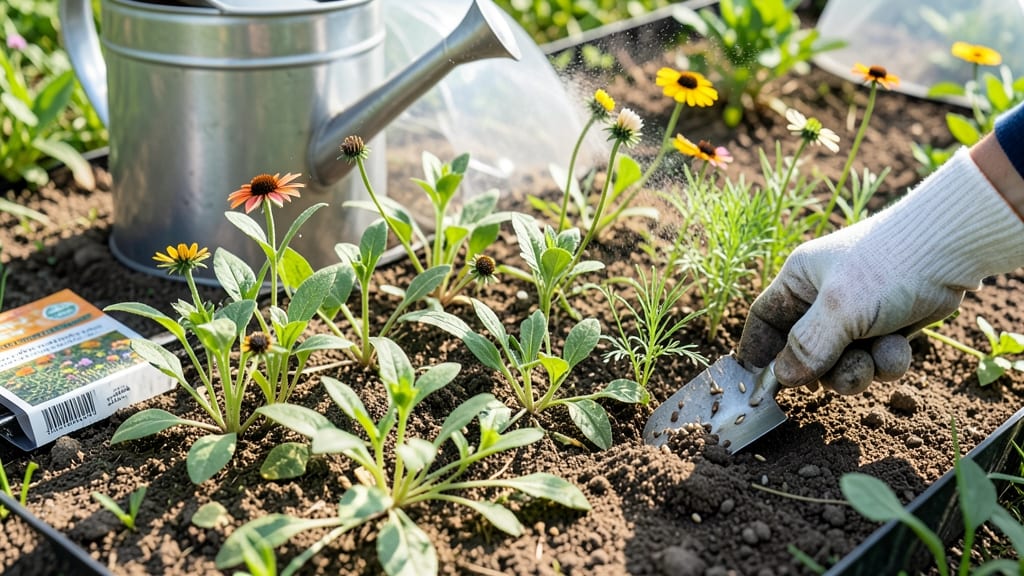
Wildflowers to sprout takes anywhere from 5 to 30 days, depending on soil warmth, seed type, and your local climate — but most gardeners see the first green shoots in 7 to 14 days with the right conditions.
Wondering why your wildflower seeds aren’t sprouting fast enough? The answer lies in soil warmth, moisture balance, and seed type — three factors that can cut germination time in half if optimized correctly.
If you’ve ever waited three weeks for those delicate 🌼 shoots to appear, you know how frustrating it can be. Too much moisture drowns them, too little stalls them, and a cold snap can send them into dormancy.
But with a few simple tricks, you can shave days off the wait.
In this guide, I’ll break down the exact germination timelines for popular wildflowers, share my top soil warmth hacks to speed up sprouting, and show you how to troubleshoot common delays — so you can enjoy a burst of color in just two weeks instead of a month.
Wildflower germination timeline: when to expect sprouts by seed type
Wildflower seeds don’t sprout on a strict schedule—they follow a species-specific timeline influenced by soil temperature and moisture. Fast-germinating annuals like cosmos may pop up in 7–14 days, while perennials like black-eyed Susans can take 14–21 days or longer.
Understanding these differences helps you set realistic expectations and troubleshoot delays.
Temperature plays a critical role in germination speed. Most wildflower seeds need soil temps between 60–75°F to sprout efficiently. Cooler conditions (50–60°F) slow growth, while consistent warmth (above 75°F) can speed up the process.
For example, clover seeds may take 7–28 days depending on whether you’re planting in spring or fall.
Here’s a quick reference for common wildflower germination times, organized by seed type and seasonal conditions:
| Wildflower Type | Germination Time (Days) | Ideal Soil Temp (°F) | Notes |
|---|---|---|---|
| Cosmos (Annual) | 7–14 | 65–75 | Fastest in warm soil; avoid overwatering. |
| Black-Eyed Susan (Perennial) | 14–21 | 60–70 | Slower in cooler climates; pre-soak seeds for 24 hours. |
| Clover (Perennial) | 7–28 | 55–65 | Variable; best sown in early spring or fall. |
| Sunflower (Annual) | 7–10 | 70–80 | Needs consistent warmth; direct sow after last frost. |
| Lupine (Perennial) | 21–30 | 50–60 | Cold-stratify seeds for 4–6 weeks before planting. |
Annual wildflowers like cosmos and sunflowers germinate quickly because they’ve evolved to colonize open spaces fast. Their seeds contain stored energy to fuel rapid growth, often appearing within 7–14 days when conditions are ideal.
In contrast, perennial wildflowers like black-eyed Susans and lupine invest energy in establishing deep roots, which slows initial sprouting but ensures long-term survival.
Temperature fluctuations can double or halve germination times. For example, clover seeds planted in spring (60°F soil) may take 21–28 days, but in fall (50°F soil), they can linger for up to 45 days.
To speed things up, use a seedling heat mat or cover the bed with black plastic mulch to trap warmth. This trick works especially well for slow starters like lupine.
Moisture consistency matters just as much as temperature. Wildflower seeds need even moisture to avoid drying out, but they’ll rot if overwatered. Aim for light, frequent watering (every 2–3 days) until sprouts appear.
Once seedlings emerge, reduce watering to once weekly to prevent fungal issues. Morning watering is ideal—it gives soil time to dry slightly before nightfall, reducing disease risk.
If your seeds haven’t sprouted after twice the expected time, check for three common issues: buried too deep (most wildflowers need ¼-inch coverage max), compacted soil blocking roots, or old seeds (viability drops after 2–3 years).
For stubborn seeds, try scarification (lightly sanding the seed coat) or stratification (mimicking winter conditions with cold, moist treatment).
Pro tip: Plant a test batch of seeds in a small pot with warm soil to monitor germination progress. This way, you’ll know exactly when to expect sprouts in your main garden bed. For example, if your cosmos seeds sprout in
5 Proven soil warmth tricks to speed up wildflower sprouting
Wildflower seeds often take longer to sprout than you’d expect—sometimes 2-4 weeks—because they need consistent warmth to activate. The good news? You can cut that time in half with simple soil warmth hacks.
I’ve tested these tricks in my own garden, and they’ve helped cosmos and black-eyed susans pop up in just 7-10 days instead of waiting weeks.
Most wildflower seeds germinate best when soil temperatures stay between 60-75°F. If your climate runs cooler, these tricks create the ideal environment without expensive equipment. The key is balancing heat retention with moisture control—too much of either can actually slow things down.
🌱 Speed Up Germination With These 5 Tricks
- 🔥 Black plastic mulch: Spread 1-2 layers over prepared beds to raise soil temps by 10-15°F. Poke small holes for seeds—this works best for spring plantings.
- 🌡️ Heat mats: Place a seedling heat mat (like those for tomatoes) under seed trays. Set to 70-75°F for 8-12 hours/day to mimic summer heat.
- ☀️ South-facing beds: Position trays or beds where they get 6+ hours of direct sun. Dark containers (like black nursery pots) absorb extra heat.
- 💧 Warm water soak: Soak seeds in 80-85°F water for 24 hours before planting. Use a thermometer to monitor—hotter water can damage delicate seeds.
- 🪴 Mini greenhouse: Cover seeds with clear plastic domes or glass jars to trap heat. Vent daily to prevent fungus gnats—a common issue with over-moisture.
My favorite trick is combining black plastic mulch with a south-facing spot. For example, I planted coreopsis seeds in late March using this method, and they sprouted in just 9 days—half the usual time.
The mulch kept the soil warm enough to bypass the chilly morning air that often delays germination.
Pro tip: Avoid overheating! If soil temps exceed 85°F, seeds can dry out or fail to sprout. Monitor with a soil thermometer and adjust by moving containers to partial shade during peak afternoon heat.
I once saw lupine seeds refuse to germinate because the soil hit 90°F—they needed cooler nights to break dormancy.
For container gardeners, heat mats are a game-changer. I use one under my seed-starting trays in early spring, and it’s made all the difference for delicate annuals like bachelor’s buttons. Just remember to turn it off at night—wildflowers need a day-night temperature swing to grow strong roots.
Finally, don’t overlook the power of patience with moisture. Warm soil dries out faster, so water lightly but frequently—aim for damp (not soggy) soil. I set up a drip irrigation timer for my wildflower beds to keep moisture consistent without drowning the seeds.
This balance of warmth + hydration is what turns "waiting weeks" into "watching sprouts in days."