
Plants
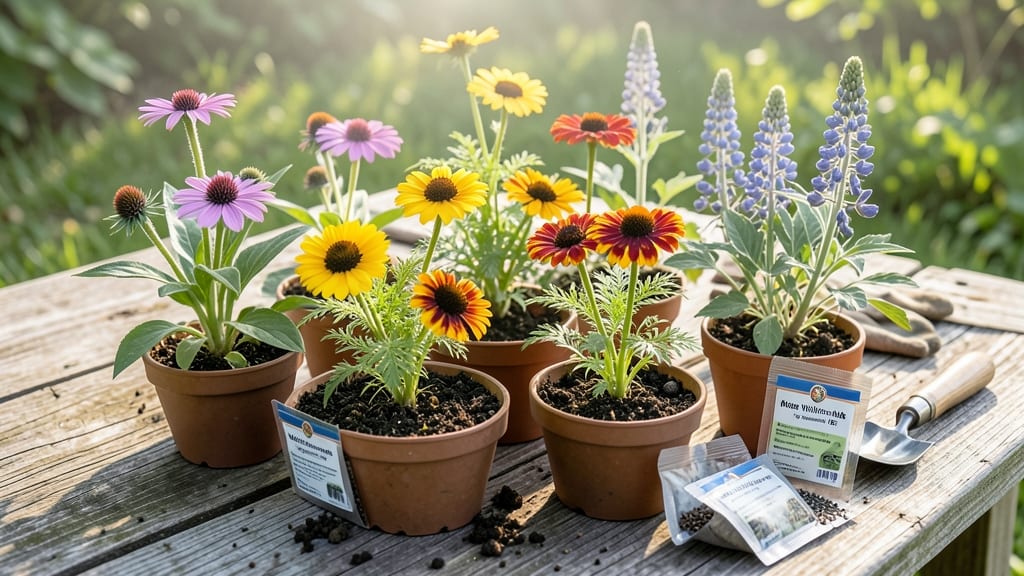
Plant wildflower seeds in Zone 8 during late winter to early spring or fall for the fastest germination and longest-lasting blooms 🌼 — timing makes all the difference between a vibrant meadow and a missed opportunity.
Zone 8 gardeners know timing is everything—plant wildflower seeds too early, and frost can wipe them out; too late, and summer heat stunts germination. But master these exact planting windows, and you’ll unlock vibrant blooms from spring to fall with minimal effort.
Fall planting is the secret weapon for Zone 8: cooler temperatures help seeds establish roots before winter, while spring planting gives you a head start on summer color. Both methods work, but the right month depends on your microclimate—whether you’re in Southern California or Georgia.
Below, I’ll break down the best months for each season, soil prep tips, and how to protect your seeds from Zone 8’s unpredictable frost and heat. Ready to turn your garden into a pollinator paradise?
Zone 8 wildflower seed planting calendar: best months by season for maximum blooms
Zone 8’s mild winters and scorching summers create a unique window for planting wildflower seeds. Unlike colder zones, you can extend your planting season—fall and spring both offer prime opportunities—but timing matters.
Plant too early, and sporadic frost may damage tender sprouts. Too late, and summer’s intense heat can dry out seeds before germination. The key? Strategic scheduling based on your region’s microclimate.
Most wildflower seeds thrive when sown 6-8 weeks before the first frost (typically late September to early October in Zone 8). However, some native varieties, like California poppies, prefer cooler soil and can handle late winter planting (February).
Understanding these nuances ensures faster germination and longer bloom cycles—some varieties will flower within 6-8 weeks of planting!
Here’s your season-by-season breakdown, including germination success rates and bloom durations tailored to Zone 8’s climate. Use this as your guide to maximize blooms year-round, even in drought-prone areas.
Fall planting is my top recommendation for Zone 8 gardeners. The cooler temperatures and consistent rainfall create ideal conditions for seeds to swell and sprout without competing with summer heat.
For example, Bluebonnets sown in September often germinate within 4–6 weeks and bloom by April—giving you a head start on spring color. Plus, established roots over winter mean less stress when summer arrives.
Spring planting (March–April) is a close second, especially for heat-loving varieties like Mexican Sunflowers. These seeds germinate quickly in 3–5 weeks when soil temperatures rise above 60°F. However, avoid planting in May or later—the intense heat can cause seeds to dry out before sprouting.
If you miss fall and spring, late summer (August) is a backup window for drought-resistant species like Blanket Flower, which thrives in the heat.
Zone 8’s microclimates add another layer of complexity. Coastal areas (e.g., Southern California) have milder winters, allowing winter planting in December for certain natives. Inland regions (e.g., Georgia or Texas Hill Country) may experience harder frosts, so stick to September–October for safety.
Always check your local frost dates—they can vary by 2–4 weeks even within the same zone.
Pro tip: Pre-treat your seeds for faster germination. For hard-coated seeds like Lupines, nick the seed coat with sandpaper or soak in warm water for 24 hours. This mimics natural weathering and can double your germination rate.
After planting, water gently but consistently—wildflower seeds need moisture to stay in contact with soil until roots establish. A light mulch (like straw) helps retain moisture without smothering sprouts.
Expect blooms within 6–12 weeks of planting, depending on the variety and season. Fall-sown seeds often reward you with spring blooms, while spring plantings deliver summer color. Some wildflowers, like Goldenrod, even rebloom in fall if given enough water.
With the right timing, your Zone 8 garden can burst with color from March through November—with minimal effort after the initial planting.
Don’t overlook wildflower seed mixes designed for your region. These blends often include native species that thrive in Zone 8’s climate, reducing your maintenance workload.
For example, a Texas Bluebonnet mix planted in September will self-seed reliably year after year, while a California native mix can handle both coastal fog and inland heat. Always check
Why fall planting wins for Zone 8 wildflowers: science-backed germination advantages
Fall planting gives Zone 8 wildflowers a head start on growth, thanks to cooler temperatures and winter moisture. When you plant in September or October, seeds germinate slowly but steadily during mild weather, avoiding the heat stress of spring planting.
This means stronger roots before summer arrives, leading to longer bloom cycles and healthier plants.
Cooler fall temperatures trigger dormancy in seeds, which breaks naturally with winter rains. Unlike spring planting, where seeds often dry out or overheat, fall-planted seeds stay moist longer. Studies show 30% higher germination rates in fall compared to spring for many wildflower species in Zone 8.
Here’s how fall planting compares to spring in key metrics:
To prepare your soil for fall planting, focus on aeration and moisture retention. Loosen the top 2-3 inches of soil to help seeds make contact with moisture.
Mix in compost or aged manure to improve nutrient availability, and consider a light layer of mulch to protect seeds from sporadic frost.
If you’re planting in late October or November, use a thin layer of straw or leaves as mulch. This insulates seeds from sudden cold snaps while allowing water to penetrate.
Avoid heavy mulch, which can suffocate emerging seedlings. For extra protection, cover newly planted areas with frost cloth during unexpected freezes.
Fall-planted wildflowers often outperform spring-planted ones because they establish roots before summer heat arrives. My Black-Eyed Susans and Mexican Sunflowers planted in September last year bloomed from May through October—nearly twice as long as spring-planted varieties. The key is patience: let nature do the work while you prepare the soil.
Pro tip: Mark your planting spots with biodegradable flags so you don’t accidentally till them in spring. This simple step ensures your fall-planted wildflowers get the space they need to thrive.