
Blooming
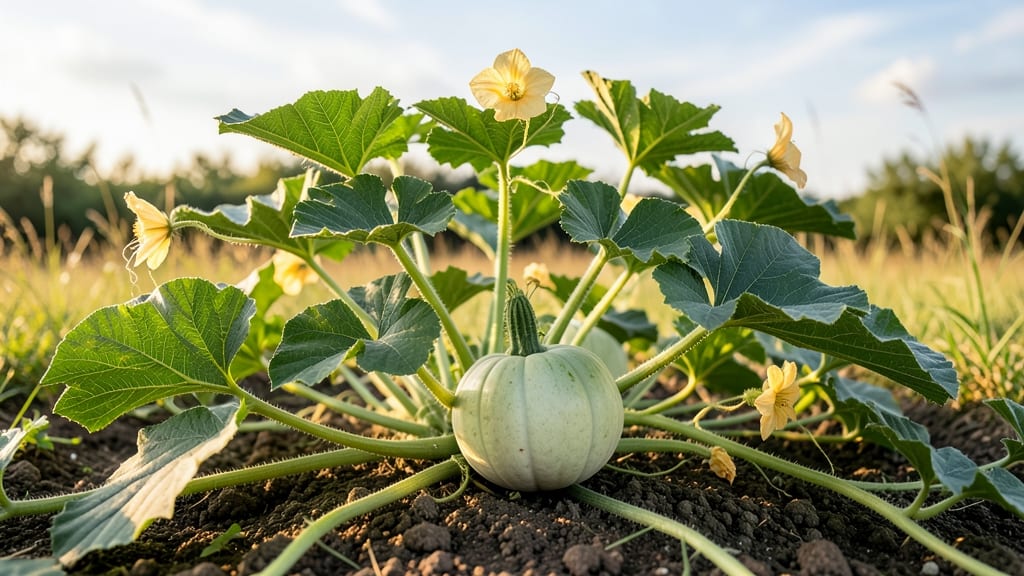
From flower to pumpkin takes about 90 to 120 days for most varieties, but the exact timing depends on your pumpkin 🎃 type and growing conditions.
Picture this: you’re watching those first bright yellow blooms appear, only to wonder, ‘Will this ever turn into a pumpkin?’ The truth is, some varieties mature faster than others, and a few simple tweaks can shave weeks off the wait.
In this guide, I’ll break down the exact timeline from pollination to harvest, plus the factors that speed up—or slow down—the process. You’ll learn how to spot the signs of a healthy fruit and avoid common mistakes that leave you with flowers but no pumpkins.
By the end, you’ll know not just how long it takes, but how to make sure your pumpkins arrive right on schedule—or even a little early.
Pumpkin flower to fruit timeline: exact days by variety
Understanding the pumpkin flower to fruit timeline helps you predict harvests and troubleshoot delays.
Most varieties take 45–60 days from successful pollination to a mature pumpkin, but this varies by type. Female flowers (with tiny pumpkins at their base) are the key to fruit development, while male flowers (no pumpkin) help pollinate them.
Let’s break down the exact days for popular varieties and how to optimize growth.
First, recognize that male flowers appear 2–3 days before female flowers—this is normal! The female flower’s ovary (the mini pumpkin) swells after pollination, signaling fruit set.
Without bees or wind, you’ll need to hand-pollinate. Once pollinated, the fruit grows rapidly, reaching 50% of its final size in 20–25 days for most varieties.
Here’s the critical summary table showing exact days from pollination to harvest for common pumpkin varieties, along with ideal growing conditions:
| Variety | Days to Fruit Set | Days to Harvest | Sunlight Needs | Optimal Temp (°F) |
|---|---|---|---|---|
| Jack Beanstalk (Small) | 28–35 days | 75–85 days | 6–8 hours | 70–90°F |
| Sugar Pie (Medium) | 30–40 days | 85–95 days | 8+ hours | 75–85°F |
| Giant Cabot (Large) | 40–50 days | 100–120 days | 10+ hours | 80–90°F |
| Cinderella (Mini) | 25–30 days | 65–75 days | 6 hours | 65–80°F |
Notice how larger varieties like Giant Cabot take longer to mature—this is due to their increased fruit size and slower growth rate. Smaller varieties like Cinderella develop faster, making them ideal for short-season gardens.
If your pumpkins aren’t setting fruit within 30–40 days after female flowers appear, check for pollination issues or nutrient deficiencies.
Temperature plays a huge role in speeding up or slowing down the process. Pumpkins thrive in warm weather (75–90°F), but growth stalls below 60°F or above 95°F.
If your area experiences cool nights, consider using row covers or planting in south-facing beds to retain heat. Consistent moisture is equally critical—drought stress can cause flowers to drop before pollination.
Once fruit sets, monitor for pumpkin warts (a fungal disease) or squash vine borers. Remove affected fruit immediately to protect healthy ones. For faster growth, side-dress with compost or a 10-10-10 fertilizer when vines are 12 inches tall.
Avoid over-fertilizing with nitrogen, as it promotes leafy growth over fruit.
Pro tip: Keep track of your first female flower date and use it to estimate harvest timing. For example, if a Sugar Pie female flower appears on July 1, expect harvest-ready fruit by September 20–October 5. Adjust for your local climate—cooler regions may need 10–15 extra days.
If you’re growing pumpkins in containers, choose dwarf varieties like Minnesota Midget (55–65 days to harvest) and ensure pots are at least 5 gallons with good drainage. Container-grown pumpkins often mature 7–10 days faster due to warmer soil temperatures.
Finally, don’t forget that hand-pollination can cut 3–5 days off the timeline if bees are scarce. Use a paintbrush to transfer pollen from male to female flowers in the morning when they’re open
5 Critical factors that speed up (or delay) pumpkin growth
Growing pumpkins from flower to harvest is a thrilling process, but many gardeners struggle with slow fruit development. The average time from pollination to pumpkin maturity ranges from 10 to 14 days for fruit set, followed by 45 to 60 days until full ripeness.
However, this timeline can stretch—or shrink—based on five key factors you control. Understanding these will help you accelerate growth or troubleshoot delays before they become problems.
First, let’s address the most common misconception: not all pumpkin flowers are created equal. Male flowers (with long stems) appear first and don’t produce fruit—they’re just pollen factories. Female flowers (with tiny pumpkins at their base) are the ones you’re waiting for.
If you’re seeing only male flowers for weeks, your pumpkins may never set fruit without intervention. This is where hand-pollination becomes a game-changer.
- 10-14 days: Fruit set begins after successful pollination (visible as tiny pumpkins).
- 21-28 days: Fruit reaches golf-ball size (critical growth phase).
- 35-45 days: Pumpkins develop hard rind and deep color.
- 45-60 days: Full maturity (ready for harvest).
- 60+ days: Overripe risk if not harvested (soft spots, rot).
🌱 Pro Tip: Track pollination dates to predict harvest windows accurately.
Next, let’s talk soil nutrients, the backbone of pumpkin growth. Pumpkins are heavy feeders, especially during flowering and fruiting. A soil test will reveal your phosphorus (P) and potassium (K) levels—these are critical for fruit development.
Aim for a balanced 10-10-10 fertilizer applied every 4-6 weeks during the growing season. Too much nitrogen (N) will give you lush vines but fewer pumpkins, while phosphorus and potassium promote root and fruit development.
Pests and diseases can derail your pumpkin’s progress faster than you think. Squash vine borers, aphids, and powdery mildew are notorious culprits. Preventative measures like row covers (for young plants) and neem oil sprays can save your crop.
If you spot yellowing leaves or wilting vines, act fast—these are early signs of stress that slow fruit development. Healthy plants = faster-growing pumpkins!
Overwatering is another silent growth killer. While pumpkins need consistent moisture, waterlogged soil suffocates roots and invites fungal diseases. Water deeply once every 3-5 days (or daily in extreme heat) and always in the morning to let foliage dry before nightfall.
Mulching with straw helps retain moisture while preventing soil-borne pathogens.
Finally, space and sunlight play huge roles. Pumpkins need 6-8 hours of direct sunlight daily and plenty of room to sprawl. Crowded plants compete for nutrients, leading to smaller, underdeveloped fruit.
If your pumpkins are growing slowly, consider trellising (for bush varieties) or thinning vines to improve air circulation and light exposure.
By mastering these five factors—pollination, soil nutrients, pest control, watering, and sunlight—you’ll turn your pumpkin patch into a high-speed fruit factory. The next time you see those first female flowers, you’ll know exactly how to speed up the process and enjoy harvest-ready pumpkins in record time.
Happy growing! 🎃