
Blooming
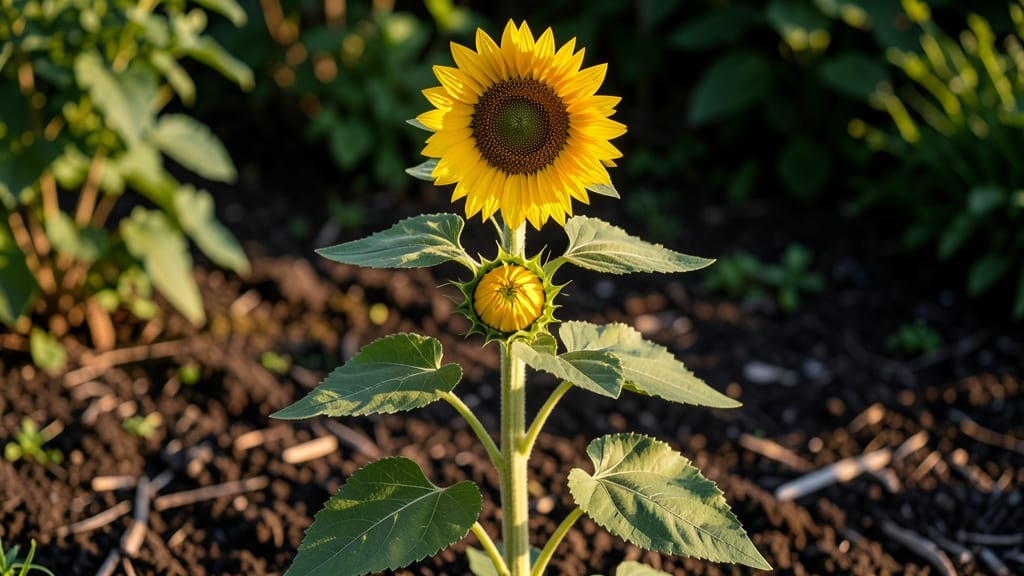
Sunflowers bloom in 60 to 120 days after planting, but the exact timeline depends on the variety, growing conditions, and care you provide. 🌻
Picture this: you’ve just planted your seeds in spring, and now you’re counting down the days until those bright faces turn toward the sun. The wait can feel endless, but with the right knowledge, you can actually speed up the process—or at least know exactly what to expect.
Dwarf varieties like Teddy Bear often bloom in as little as 50 days, while giant types such as Mammoth can take closer to 120 days. Warm soil, proper spacing, and consistent sunlight play a huge role in how quickly your sunflowers reach their full glory.
In this guide, I’ll break down the bloom timelines by variety, share tips to accelerate flowering, and help you troubleshoot slow growth. By the end, you’ll know exactly when to expect those cheerful faces in your garden!
Sunflower bloom time by variety: fastest to slowest flowering types
If you're dreaming of vibrant sunflower blooms lighting up your garden, knowing the bloom timeline by variety is key. Some varieties burst into golden flowers in as little as 50 days, while others take nearly 120 days to reach their full glory.
The difference often comes down to height, growth habits, and even their genetic makeup. Let’s break down the fastest and slowest blooming types so you can choose the perfect sunflower for your timeline.
For gardeners eager for quick results, dwarf varieties like Sunspot and Teddy Bear are your best bet. These compact beauties mature faster and are perfect for containers or small gardens.
On the other end of the spectrum, giant varieties like Mammoth and Russian Giant take longer to bloom but reward you with towering, show-stopping flowers. Understanding these differences helps you plan your garden layout and enjoy sunflowers at the perfect time.
| Variety | Height | Bloom Time (Days) | Best For |
|---|---|---|---|
| Sunspot | 1-3 ft | 50-60 days | Containers, cut flowers |
| Teddy Bear | 3-4 ft | 55-65 days | Cutting gardens, pollinators |
| ProCut | 4-5 ft | 60-70 days | Floral arrangements |
| Moulin Rouge | 5-6 ft | 70-80 days | Backyard focal points |
| Mammoth | 10-14 ft | 90-100 days | Tall garden borders |
| Russian Giant | 12-18 ft | 100-120 days | Dramatic height |
One of the fastest bloomers, the Sunspot variety, reaches its cheerful yellow blooms in just 50-60 days. This makes it ideal for gardeners who want instant color and are growing sunflowers in containers or small spaces.
Its compact size also means it requires less staking or support, making it a low-maintenance choice. If you’re planning a cutting garden, the Teddy Bear variety is another speedy option, blooming in 55-65 days and producing flowers perfect for bouquets.
The ProCut variety is a favorite among florists because it blooms in 60-70 days and produces long, sturdy stems ideal for arrangements. These sunflowers are bred specifically for long vase life, so if you’re growing them for gifts or events, this variety is a reliable pick.
For a slightly taller option that still blooms relatively quickly, Moulin Rouge reaches 5-6 feet and flowers in 70-80 days, offering a striking bicolor look with red and yellow petals.
If you’re willing to wait a bit longer for show-stopping height, the Mammoth variety is a classic choice. These sunflowers can grow up to 14 feet tall and take 90-100 days to bloom.
They’re perfect for adding drama to your garden and creating a focal point near patios or walkways. For the ultimate in height and grandeur, the Russian Giant variety is the king of sunflow
How sunflower care affects bloom speed: light, water, and soil secrets
Sunflowers are sun-loving superstars, but their bloom speed depends heavily on care. While most varieties flower in 60–120 days, proper sunlight, water, and soil can shave weeks off that timeline—or delay it. Let’s break down the critical factors that control how quickly your sunflowers reach their radiant peak.
First, sunlight is non-negotiable. Sunflowers thrive in full sun (6–8+ hours daily). Even partial shade can stretch bloom time by 2–4 weeks. If your garden gets less sun, opt for dwarf varieties like 'Teddy Bear,' which tolerate slightly shadier spots better than giants.
- 🌞 60–70 days: Dwarf varieties (e.g., 'Sunspot') with ideal care (full sun, warm soil, consistent water).
- 70–90 days: Standard varieties (e.g., 'Mammoth') in optimal conditions (6+ sun hours, fertile soil, no drought stress).
- 90–120+ days: Giant varieties (e.g., 'Russian Giant') or plants in poor conditions (shade, cold soil, inconsistent water).
- ⚠️ 14+ day delays: Common pitfalls like overcrowding, nutrient deficiencies, or late planting after frost.
Watering plays a surprising role in bloom speed. While sunflowers are drought-tolerant once established, deep, infrequent watering (1–2 inches per week) speeds up growth. Shallow watering or drought stress can halt flowering for weeks. Mulch around the base to retain moisture and keep roots cool.
Soil temperature and nutrients also matter. Sunflowers germinate best in soil above 55°F (13°C). If your soil is cold, use black plastic mulch to warm it faster.
Add compost or a balanced fertilizer (10-20-10) at planting to fuel rapid growth. Avoid over-fertilizing with nitrogen—it promotes leafy growth over flowers.
Temperature swings can delay blooming. Nighttime temps below 50°F (10°C) slow growth, while consistent warmth (70–85°F) accelerates it. If you’re in a cooler climate, start seeds indoors 2–3 weeks early or choose early-blooming varieties like 'Autumn Beauty.'
Troubleshooting slow growth? Check for overcrowding—sunflowers need 12–24 inches of space to avoid competing for nutrients. Yellow leaves? Your plant may need more zinc or magnesium. If buds form but don’t open, it could be pollinator issues—plant sunflowers near bee-friendly flowers like marigolds.
With the right care, you can push sunflowers to bloom in as little as 50 days—or troubleshoot delays to enjoy those cheerful faces sooner. Experiment with varieties and conditions to find your garden’s sweet spot! 🌻