
Flowers
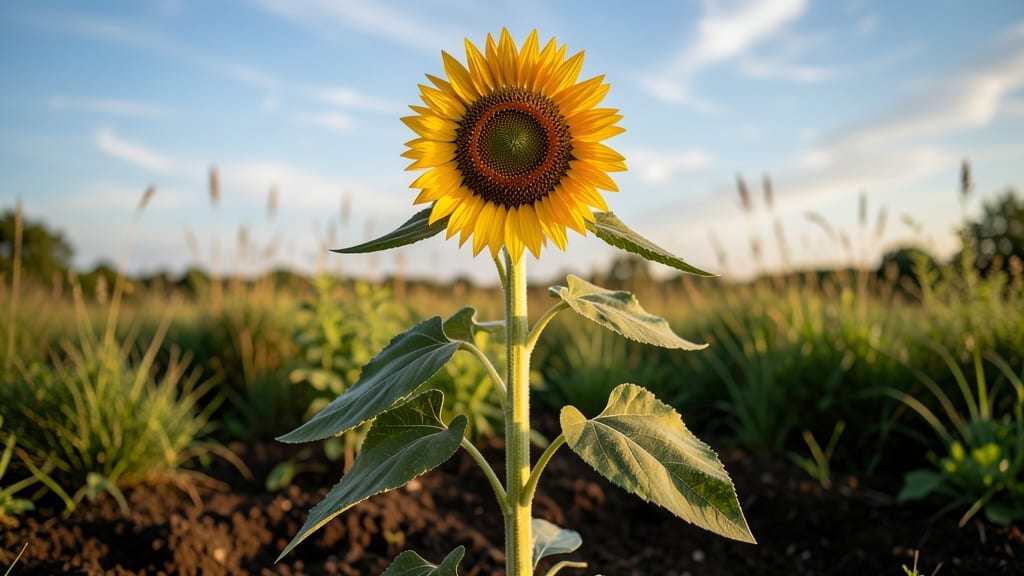
How much sun do sunflowers need to reach their full, towering height and vibrant blooms? The answer is at least 6 hours of direct sunlight daily—the golden standard for any sunny garden spot.
Picture this: you’ve spent weeks nurturing your 🌻 seedlings, only to watch them stretch toward the sky like overgrown noodles, their stems weak and flowers tiny. That’s the classic sign of insufficient light, and it’s a heartbreaking sight for any gardener.
The good news? With the right sunlight strategy, your sunflowers can grow 10 feet tall or more, their blooms as wide as dinner plates.
But here’s the catch: not all sun is created equal. Too little light means leggy plants and poor flowering, while too much scorching heat can stress them out.
Whether you’re in a full-sun zone or a slightly shadier spot, understanding how to balance sunlight exposure is the key to unlocking those showstopping giants you’ve been dreaming of.
In this guide, I’ll break down exactly how much sun sunflowers need, how to spot when they’re getting it wrong, and even how to tweak their environment for the best results — no matter where you live. Let’s get those 🌻 growing!

Sunflower sunlight requirements: the Ideal daily exposure for maximum growth
Sunflowers thrive under full sun, but not all varieties have the same needs. Giant sunflowers like 'Russian Giant' demand 8-10 hours of direct sunlight daily to reach their towering heights, while dwarf varieties like 'Teddy Bear' can tolerate 6 hours in partial shade.
Understanding these differences ensures your sunflowers grow strong and vibrant rather than leggy or underwhelming.
Sunlight isn’t just about hours—it’s about photosynthesis efficiency. Sunflowers convert sunlight into energy through their leaves, and direct sunlight maximizes this process. Without enough light, their stems weaken, and blooms shrink.
Even 6 hours of sun can feel like shade on cloudy days, so location matters just as much as duration.
| Variety | Sunlight Needs | Mature Height | Signs of Insufficient Sun |
|---|---|---|---|
| Giant (e.g., 'Russian Giant') | 8-10 hours | 12-16 ft | Leggy stems, small blooms |
| Standard (e.g., 'Autumn Beauty') | 6-8 hours | 6-10 ft | Pale petals, weak stems |
| Dwarf (e.g., 'Teddy Bear') | 4-6 hours | 1-3 ft | Slow growth, sparse blooms |
To measure sunlight accurately, use a sunlight tracker or observe your garden from 6 AM to 6 PM. Note how much direct light hits your planting spot—trees, buildings, or even neighboring plants can cast partial shade that reduces sunlight by up to 50%.
For example, a south-facing patch in the U.S. typically gets 6+ hours, while a north-facing spot might only receive 3-4 hours.
Insufficient sunlight leads to weak stems and poor flowering, but over-exposure can also harm sunflowers. While they love light, intense afternoon heat (especially in hot climates) can scorch leaves. Providing afternoon shade with a lightweight cloth or planting near taller crops can protect them without sacrificing growth.
Scientifically, sunflowers optimize photosynthesis under full sun by increasing chlorophyll production. This process fuels their rapid growth and large blooms. When light drops below 6 hours, photosynthesis slows, leading to stunted growth and smaller flowers.
Even cloudy days can reduce light by 30-50%, so supplement with reflective surfaces like white mulch or mirrors to bounce extra light onto plants.
If your sunflowers start stretching toward light with long, thin stems, they’re reaching for more sun—a classic sign of etiolation. Rotate pots or transplant seedlings to a sunnier spot immediately.
For container growers, place pots on a south-facing balcony or use a grow light for 12-14 hours daily if natural light is limited.
Regional adaptations matter too. In northern climates, sunflowers may need supplemental light in early spring, while desert areas require afternoon shade to prevent leaf burn. Always monitor your plants: healthy sunflowers stand straight and sturdy, with deep green leaves and bright yellow petals.
Adjust their sunlight accordingly to keep them thriving.
For maximum blooms, aim for 8 hours of sun if possible, especially for giant varieties. Even dwarf sunflowers benefit from extra light—they’ll produce larger flowers and more seeds. With the right sunlight, your sunflowers will reward you with towering stems and vibrant blooms that turn heads all season long.
🌻
How to adjust sunlight for sunflowers in different climates and locations
Not all gardens get the perfect 6+ hours of full sun sunflowers crave. If you're in a partial-shade garden, urban balcony, or high-altitude region, don't give up—there are clever ways to compensate.
The key is understanding how to spot sun deprivation symptoms (like weak stems or tiny blooms) and using tricks like reflective surfaces or seasonal adjustments to maximize light.
First, let's address the most common sunlight challenges for sunflowers. In cloudy climates, sunflowers may grow tall but produce smaller blooms. In urban settings, nearby buildings can cast unpredictable shade throughout the day.
Meanwhile, high-altitude gardens often receive more intense UV rays, which can over-expose delicate seedlings if not managed properly.
Sunlight Adjustment Strategies for Sunflowers
Full Sun (6+ hours)
- ✅ Ideal for all sunflower varieties
- ✅ Maximizes bloom size and seed production
- ✅ Prevents leggy stems and weak growth
Best for: Standard gardens, south-facing plots, and open spaces.
Partial Sun (3-6 hours)
- ⚠️ Risk of smaller blooms and weak stems
- ⚠️ Requires companion planting or reflective surfaces
- ⚠️ Best for dwarf varieties like 'Teddy Bear'
Use for: Urban balconies, east/west-facing spots, or under trees.
Low Light (<3 hours)
- ❌ Avoid for standard sunflowers
- ❌ Leads to elongated, weak stems
- ❌ Minimal to no blooming
Only for: Container growing near south windows or indoor microgreens.
For partial-shade gardens, try planting sunflowers near light-colored walls or fences, which reflect up to 30% more sunlight onto your plants. Pair them with tall companion plants like corn or beans, which provide natural shade in summer while still allowing morning sun.
In high-altitude regions, use shade cloth (30-50%) during peak afternoon hours to prevent sunburn on young seedlings.
Seasonal adjustments are equally important. In spring and fall, when sunlight is less intense, sunflowers can tolerate 4-5 hours of sun if given extra fertilizer (10-10-10) to boost growth.
However, during summer solstice, even morning sun alone may not be enough—supplement with a grow light for 2-3 hours in the evening if your location is particularly shaded.
Watch for sun deprivation symptoms like yellowing leaves, stretched stems, or small buds. Over-exposure shows as brown leaf edges or wilting in afternoon heat.
If you notice these signs, adjust by rotating containers or pruning nearby plants to balance light exposure. With these tweaks, even challenging locations can yield stunning sunflowers!