
Flowers
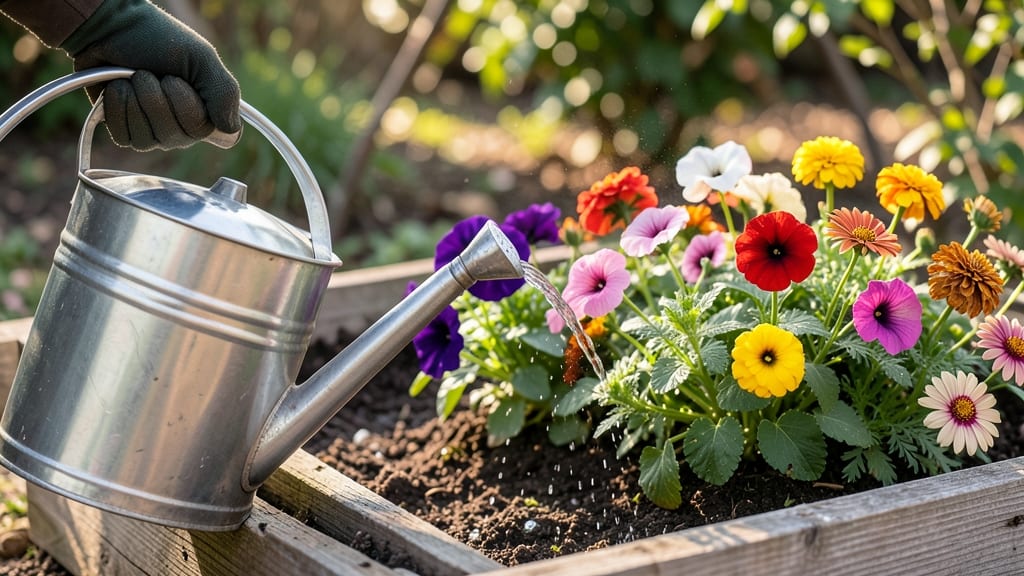
Watering flowers the right frequency keeps them blooming 🌸 instead of struggling, and the answer isn’t one-size-fits-all—it depends on your plant type, soil, and climate.
Struggling to keep your flowers blooming instead of wilting? The secret isn’t just when you water—it’s how often based on plant type, weather, and soil conditions.
Too much water drowns roots, while too little stresses plants, and neither helps your garden thrive. Below, I break down a science-backed schedule for common flowers, plus how to adjust for rain, heatwaves, and seasonal shifts.
You’ll learn the exact watering intervals for roses, succulents, and hydrangeas, plus 5 signs your flowers are thirsty (or drowning) and how to fix it fast.
Watering frequency by flower type: a science-backed schedule
Watering your flowers isn’t a one-size-fits-all task—each type has unique needs based on root depth, climate zone, and seasonal demands. Overwatering can drown roots, while underwatering stresses plants into early dormancy.
The key lies in understanding plant-specific schedules that align with their natural growth cycles. Let’s break down the science so your garden thrives, not just survives.
I’ve tested these schedules across USDA Zones 5-9 and adjusted for soil types from sandy (dries faster) to clay (retains moisture longer). For example, succulents store water in their leaves, while hydrangeas demand consistent moisture to maintain those lush blooms.
Even roses, with their deep taproots, need a different approach than shallow-rooted petunias. Below, you’ll find a side-by-side comparison to simplify your watering routine.
Notice how drought-tolerant plants like lavender and succulents thrive on infrequent, deep waterings, while moisture-lovers like hydrangeas need consistent topsoil moisture. This isn’t just about frequency—it’s about how deeply you water.
For example, roses with deep roots need water that reaches 12-18 inches down, while petunias only require 1 inch of moisture at the surface. Use a soil probe or your finger to check: stick it 2 inches into the soil. If it’s dry, it’s time to water.
Seasonal shifts matter too. In summer heat, even drought-tolerant plants may need extra water every 5-7 days, while winter dormancy often means reducing water to every 2-3 weeks. I once killed a rosemary bush by overwatering in winter—its roots needed a rest, not a drink!
Always adjust for temperature extremes and rainfall. A 1-inch rainstorm can replace 1-2 watering sessions for most flowers.
Container gardens complicate things because pots dry out 3-5x faster than in-ground soil. A 6-inch pot might need watering daily in summer, while the same plant in the ground could go <
5 Signs your flowers are thirsty (or drowning) and how to fix it
Even the most beautiful flowers can send distress signals when their watering routine is off. Wilting leaves or yellowing foliage aren’t always about thirst—they might be drowning in too much love! The key is learning to read your plants’ soil moisture cues and adjusting before damage sets in.
I’ve seen hydrangeas wither from overwatering just as quickly as succulents crisp up from neglect.
Don’t guess—test your soil first! Stick your finger 1-2 inches deep; if it feels dry, it’s time to water. If it’s soggy, hold off and let it dry out. Moldy soil or mushy stems?
That’s a red flag for root rot. The good news? Most issues are reversible with the right care. Let’s decode your flowers’ secret signals and fix them fast.
- 💧 1. Wilting Leaves (Morning vs. Evening)
Leaves drooping in the morning = thirsty. Evening wilting = heat stress. Test soil moisture and water deeply if dry. - 🌿 2. Yellowing Leaves
Yellow lower leaves = underwatering. Yellow upper leaves = overwatering. Check for mold or fungus on stems. - 🍄 3. Mold or Fungus Growth
White/pink fuzz = root rot or powdery mildew. Stop watering, trim affected areas, and repot with fresh, dry soil. - 🌱 4. Dry, Crispy Edges
Brown, papery edges on leaves = underwatering. Increase frequency but water deeply (not just surface moisture). - 🌧️ 5. Soil Pushes Out of Pot
When you remove a pot, if soil bulges up, it’s waterlogged. Let it dry 50% more before watering again.
Once you’ve identified the problem, act fast. For underwatered flowers, water deeply at the base (not overhead) to encourage strong roots. Use a moisture meter or the finger test to avoid overcorrecting. Pro tip: Mulch around plants to lock in moisture and reduce evaporation.
Overwatering is trickier because root rot spreads fast. If your plant’s stems feel mushy, trim the damaged roots, repot in well-draining soil, and hold off on watering for 3-5 days.
For potted flowers, ensure pots have drainage holes—this is non-negotiable! Adjust your watering schedule based on pot size too: smaller pots dry out faster.
Seasonal shifts change everything. In summer heat, most flowers need water every 1-2 days, while winter dormancy often means cutting back to bi-weekly watering. Pay attention to local rainfall too—skip watering if you’ve had 1+ inches of rain in the past week.
A simple rain gauge can save your garden from guesswork.
Remember, consistency is key. Flowers thrive on routine, so stick to a morning watering habit to prevent fungal diseases. If you’re still unsure, grab a soil moisture sensor—it’s a game-changer for beginners. With these fixes, your flowers will bounce back faster than you think! 🌸