
How To
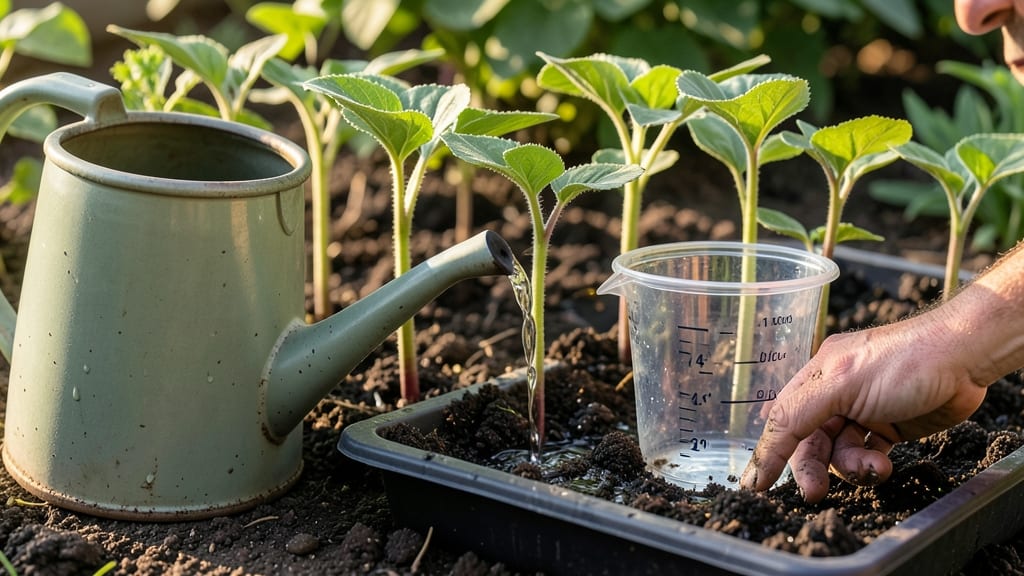
Watering sunflower seeds too often or too little can mean the difference between a thriving 🌻 and a failed garden bed — here’s the exact schedule to keep them moist but not soggy.
Struggling to grow sunflowers because you're unsure whether you're overwatering or underwatering your seeds? The right moisture balance is the secret to strong germination and healthy growth — here's exactly what you need to know.
During the first 14 days, keep the soil consistently damp, like a wrung-out sponge, to encourage sprouting. After that, adjust based on weather and soil type to avoid drowning tender roots.
Below, I break down the daily watering routine for germination, how to transition as sprouts appear, and the stage-specific rules that keep your sunflowers growing tall and strong.
Sunflower seed watering schedule during germination: days 1-14
Getting your sunflower seeds to sprout consistently requires precision with watering—too much or too little can kill germination before it starts. During the first 14 days, maintaining even moisture at the right depth is critical for 90%+ sprouting success.
Unlike mature plants, seeds need daily attention to prevent drying out or suffocating.
The key is keeping the soil consistently moist (not soggy) around the seeds while ensuring proper drainage. Most gardeners fail here by either overwatering (causing rot) or underwatering (leading to dry, cracked soil). Let’s break down the exact schedule and moisture rules for each phase of germination.
| Day Range | Watering Frequency | Soil Moisture Level | Key Signs to Watch | Action if Problem |
|---|---|---|---|---|
| Days 1-3 | Daily (light misting) | Top ½ inch moist | Seeds appear swollen | Use spray bottle; avoid puddles |
| Days 4-7 | Daily (gentle watering) | Top 1 inch moist | White taproot emerges | Reduce to every 48 hours if humid |
| Days 8-10 | Every 48 hours | Top 1.5 inches moist | First green shoots | Check soil daily; adjust for rain |
| Days 11-14 | Every 3-4 days | Top 2 inches moist | Seedlings 1-2 inches tall | Thin seedlings if crowded |
💧 Pro Tip: Use a moisture meter or stick your finger 1 inch deep—soil should feel damp, not wet.
During Days 1-3, your seeds are most vulnerable. Use a spray bottle to mist the soil lightly, keeping the top ½ inch moist. Overwatering now can cause seeds to rot before they sprout. If your soil feels dry at this depth, water again immediately—consistency is everything.
By Day 4, you’ll see the first signs of life: seeds will swell slightly and a tiny white taproot will emerge. This is when you can switch to a gentle watering can with a fine rose attachment.
Aim for the soil surface and avoid disturbing the seeds. Overhead watering can dislodge seeds or create mud.
Between Days 8-10, your seeds should begin sprouting. You’ll notice green shoots breaking through the soil. At this stage, reduce watering to every 48 hours unless your climate is very dry.
The soil’s top 1.5 inches should remain moist, but never soggy. Yellowing leaves or mold are red flags for overwatering.
As you approach Day 14, your seedlings will be 1-2 inches tall with true leaves forming. This is when you can start thinning if they’re crowded. Water deeply every 3-4 days, ensuring moisture reaches 2 inches down.
If seedlings look wilting or pale, they need more water; if they’re yellow or mushy, they’re getting too much.
One common mistake is assuming more water = better germination. In reality, sunflower seeds need oxygen to sprout, and waterlogged soil suffocates them. Always check for good drainage—if water pools on the soil surface, your container lacks drainage holes or the soil is too dense.
If you’re growing in containers, watering needs are slightly different. Container soil dries out faster, so you may need to water every 24-48 hours during the first week.
Use your finger to test moisture at the seed depth—if it’s dry, water again. Outdoor garden beds retain moisture longer, so you can stretch watering to every 3 days once spro
How to adjust watering after sunflower sprouts appear (weeks 2-4)
Once your sunflower sprouts break through the soil—typically around week 2—your watering approach needs a strategic shift. Those tiny seedlings have delicate roots and can't handle the same constant moisture as seeds.
The goal now is to keep the soil consistently damp but never soggy, while encouraging root development downward rather than upward.
I’ve learned from experience that overwatering young sunflowers is the #1 killer in this stage. Their stems are still soft and can’t support themselves if the soil stays too wet. At the same time, letting them dry out completely stunts their growth.
The sweet spot is 1-2 inches of soil moisture at all times—check this by sticking your finger in the dirt.
⚠️ Critical Mistake Alert
Don’t water on a schedule! Young sunflowers need soil-based watering—check moisture daily by inserting your finger 1-2 inches deep. If it feels dry, water until moisture reaches 3 inches down. Overhead watering creates weak stems; always water at the base.
For container-grown sunflowers, I recommend watering every 2-3 days during warm weather, but always verify soil moisture first. Containers dry out faster, and young roots can’t reach deep water sources.
If the top ½ inch of soil feels dry, it’s time to water—but don’t drench it. Aim for a slow, deep drink that encourages roots to grow downward.
Watch the weather forecast like a hawk during weeks 2-4. If temperatures climb above 85°F (29°C), you may need to water daily in full sun. On cooler days (60-75°F/15-24°C), every 3-4 days should suffice.
Mulch with straw or grass clippings to retain moisture and prevent soil crusting, which can suffocate emerging seedlings.
Here’s my pro tip: Morning watering is non-negotiable. Watering in the early morning (6-9 AM) gives leaves time to dry before evening, reducing fungal diseases like powdery mildew.
Avoid evening watering—wet foliage overnight invites trouble. If you must water in the afternoon, do it by 4 PM to allow foliage to dry completely.
By week 4, your sunflowers should be 6-12 inches tall with 4-6 true leaves. At this point, you can slightly reduce frequency to every 3-5 days if the weather cooperates.
The key is observing your plants: Wilting leaves signal thirst, while yellowing at the base means you’re overdoing it. Adjust based on what you see, not a rigid schedule.
Remember, sunflowers are drought-tolerant once established, but they start that journey as fragile seedlings. Mastering this 2-4 week transition sets the foundation for those towering 10-foot giants you’re dreaming of. 🌻