
Flowers
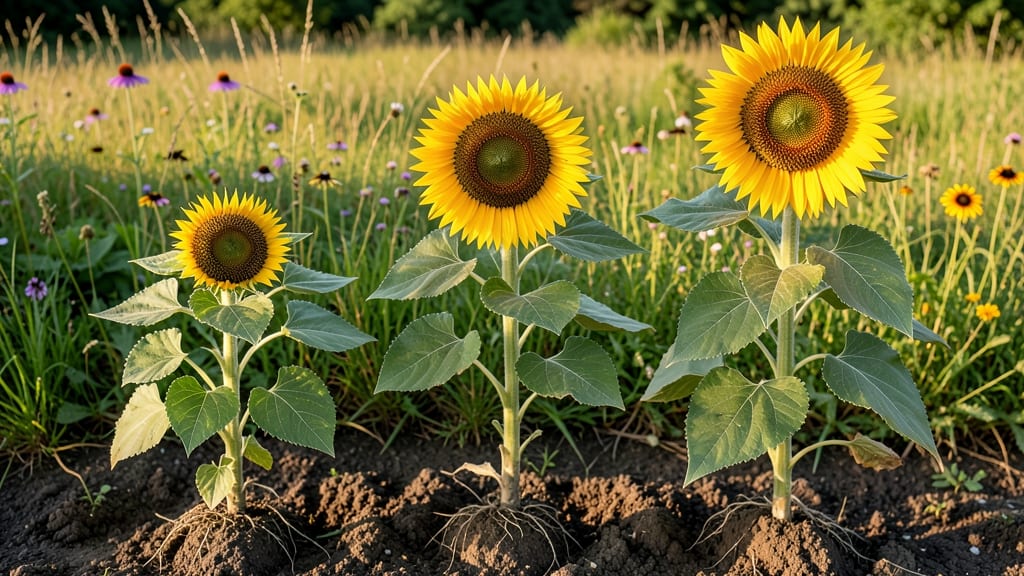
How tall are sunflowers? They grow taller than you might think—some varieties stretch up to 15 feet, while others stay as short as 1-3 feet, making them one of the most versatile plants for any garden.
Imagine planning a garden and realizing too late that your 8-foot sunflowers will tower over your patio furniture—or worse, lean precariously into your neighbor’s yard. Knowing the height range of sunflowers helps you choose the right variety for your space and avoid last-minute staking disasters.
From dwarf Teddy Bear varieties perfect for containers to the massive Russian Giant sunflowers that can reach basketball hoop height, each type has unique growing needs.
Whether you’re saving seeds for birds, cutting flowers for bouquets, or just admiring their golden faces, height plays a crucial role in where—and how—you plant them.
Below, I’ll break down the height ranges by variety, share tips for supporting tall sunflowers, and explain how spacing and sunlight affect their growth. By the end, you’ll know exactly how much room to give these cheerful giants—and how to keep them standing tall all season.


Sunflower height ranges by variety: from dwarf to giant types
Sunflowers come in an astonishing range of heights, from charming dwarf varieties perfect for containers to giant cultivars that rival small trees. The height you choose directly impacts your garden layout, sunlight exposure, and even pollinator attraction.
Whether you're creating a whimsical front yard display or aiming for a dramatic backyard focal point, understanding these height categories helps you select the perfect sunflower for your space.
Most sunflowers fall into four broad height categories: dwarf (1-3 ft), medium (3-6 ft), tall (6-10 ft), and giant (10+ ft). Each category has unique growing requirements and ideal uses, from cut flowers to bird feeders.
Let's explore the most popular varieties in each group and how to maximize their potential in your garden.
🌻 Height matters for more than just aesthetics—it affects root depth, wind resistance, and even flower longevity. Taller varieties need sturdier stems and deeper soil, while dwarf types thrive in containers or small spaces. Below is a quick reference to help you visualize these differences before planting.
| Height Category | Popular Varieties | Mature Height | Best For | Sunlight Needs |
|---|---|---|---|---|
| Dwarf | Teddy Bear, Little Becka, Sunspot | 1-3 ft | Containers, borders, pollinators | Full sun (6+ hrs) |
| Medium | Moulin Rouge, Autumn Beauty, ProCut | 3-6 ft | Cut flowers, mixed beds | Full sun (6-8 hrs) |
| Tall | Russian Giant, American Giant, Kong | 6-10 ft | Backdrop plants, bird feeders | Full sun (8+ hrs) |
| Giant | Mammoth, Titan, Colossus | 10-15+ ft | Dramatic focal points, large gardens | Full sun (8+ hrs) |
Dwarf sunflowers like 'Teddy Bear' are perfect for small gardens or container growing. These varieties typically reach 1-3 feet tall and bloom prolifically, making them ideal for pollinator gardens or children's play areas.
They require minimal support and thrive in well-draining soil with regular watering during their early growth stages.
Medium-height sunflowers, such as 'Moulin Rouge' or 'Autumn Beauty', strike a balance between manageability and impact. Growing 3-6 feet tall, they work beautifully in cut flower arrangements or as mixed border plants.
These varieties often produce larger flower heads than dwarfs, making them excellent for bouquets and dried flowers.
Tall sunflowers like 'Russian Giant' can reach 8-12 feet and are perfect for creating a dramatic backdrop in your garden. Their towering presence attracts birds and bees while providing shade for smaller plants below. However, these varieties often need staking or support to prevent toppling in windy conditions.
For the ultimate sunflower experience, giant varieties like 'Mammoth' can soar to 15 feet or taller, making them a statement piece in any landscape. These sunflowers require rich, deep soil and consistent moisture to support their massive growth.
They're best suited for large open spaces where their height won't be obstructed by buildings or trees.
When planning your sunflower garden, consider not just the height but also the flower head size and color variations within each category. For example, 'Russian Giant' produces 12-inch-wide blooms, while 'Teddy Bear' offers 4-inch cheerful faces.
Mixing heights creates visual interest and can help support pollinators throughout the growing season.
Pro tip: Always check the seed packet for specific height ranges, as some varieties can vary slightly based on growing conditions. In cooler climates, sunflowers may grow shorter, while hot, sunny locations can encourage taller growth.
With the right variety and care, you'll have sunflowers that perfectly complement your garden's vision.
Factors that influence sunflower height: soil, sun, and spacing
Sunflowers thrive when given the right conditions, but their final height depends on more than just genetics. The soil quality, sunlight exposure, and plant spacing you provide directly impact how tall they grow.
For example, a Russian Giant variety might reach 12 feet with ideal care, but poor soil or shade could keep it under 8 feet. Let’s break down how to optimize these factors for maximum growth.
First, let’s tackle the foundational elements that determine sunflower height. Healthy soil packed with nutrients like nitrogen and phosphorus fuels rapid stem growth, while consistent sunlight ensures energy production for photosynthesis.
Even the best variety won’t reach its potential without these basics. Proper spacing also plays a critical role—crowded plants compete for resources, leading to stunted growth and weaker stems.
Let’s talk about soil first—it’s the backbone of sunflower growth. Sunflowers are heavy feeders, so amend your soil with compost or aged manure before planting. A soil test can reveal deficiencies in phosphorus or potassium, which are crucial for stem strength.
If your soil is sandy, mix in organic matter to retain moisture and nutrients. For clay-heavy soil, consider raised beds to improve drainage and aeration.
Next, sunlight is non-negotiable. Sunflowers follow the sun, a behavior called heliotropism, which maximizes their exposure. If you notice your sunflowers leaning or growing unevenly, they’re likely searching for light.
Position them in the sunniest part of your yard, and avoid planting near tall trees or structures that cast shade. Even a few hours of shade can limit their growth potential, especially for taller varieties.
Spacing is often overlooked but critical for height. When sunflowers are too close, they compete for water and nutrients, resulting in shorter, weaker stems. Aim for 18 inches between plants in loose soil or 12 inches in richer soil.
If you’re growing sunflowers in containers, choose dwarf varieties like 'Teddy Bear' and space them 12 inches apart to avoid overcrowding.
Finally, watering plays a surprising role in height. While sunflowers are drought-tolerant once established, consistent moisture during early growth is key. Water deeply at the base of the plant in the morning to encourage strong root development.
Avoid wetting the leaves, as this can lead to fungal diseases like powdery mildew, which weakens the plant and reduces height.
By focusing on these four factors—soil quality, sunlight exposure, proper spacing, and consistent watering—you’ll give your sunflowers the best chance to reach their full potential height.
Whether you’re growing them for cut flowers, bird feeders, or just the joy of watching them grow, these tips will help you cultivate sunflowers that stand tall and proud. 🌻