
Flowers
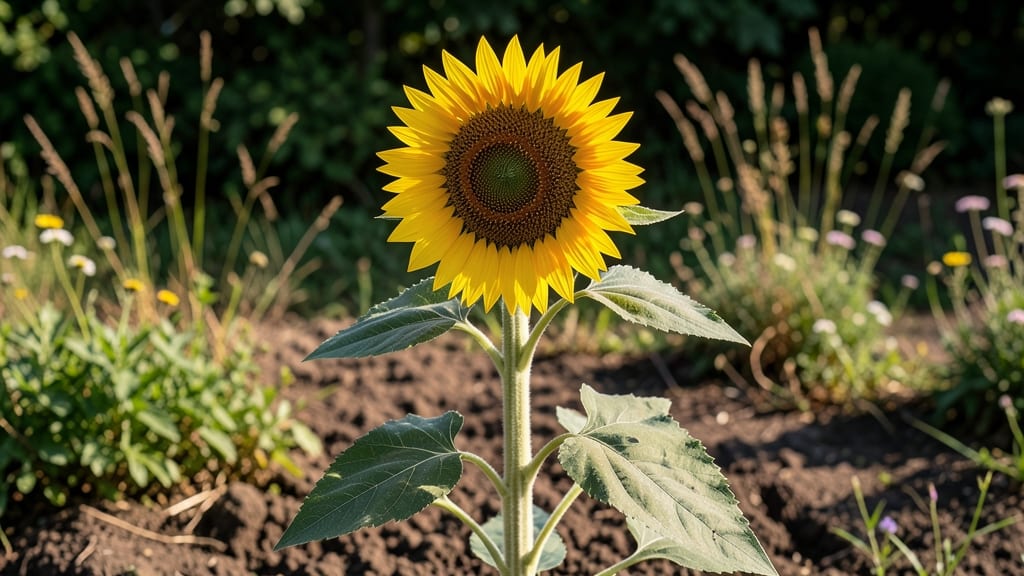
Sunflowers can grow up to 16 feet tall 🌻, towering over basketball hoops and reaching heights that turn heads in any garden.
Picture this: a giant sunflower stretching toward the sky, its massive bloom dwarfing everything around it. That’s not just a dream—it’s what happens when you plant the right variety in the perfect conditions.
But not all sunflowers are sky-high giants; some stay small and compact, making them perfect for balconies or small spaces.
Whether you’re dreaming of a sunflower that blocks your neighbor’s fence or just want a cheerful 3-foot accent plant, the height depends on the type you choose. Some varieties max out at 3 feet, while others shoot up like living skyscrapers, needing sturdy supports to stay upright.
In this guide, I’ll break down the tallest sunflower varieties, the secrets to encouraging maximum height, and how to pick the perfect type for your garden—no matter how much space you have.


Sunflower height records: the tallest varieties and their sky-high limits
Sunflowers aren’t just cheerful garden staples—they’re nature’s skyscrapers, with some varieties reaching heights that will make your head spin. The tallest sunflowers can grow up to 16 feet or more under ideal conditions, while the world record holder stands at a staggering 37.05 feet.
These giants aren’t just for show—they’re a testament to what’s possible with the right variety and growing conditions.
If you’ve ever wondered how tall sunflowers can grow, the answer depends on the sunflower variety you choose. Some stay compact at just 1-3 feet, while others stretch toward the sky like skyscrapers.
The tallest sunflower varieties are bred specifically for height, often reaching 10-16 feet with proper care. Let’s explore the towering champions and what it takes to grow them.
The Green Stuff variety holds the world record for the tallest sunflower at 37.05 feet, grown in Germany in 2014. This variety thrives in full sun and nutrient-rich soil, making it a favorite for gardeners chasing sky-high limits.
For most home gardens, varieties like Mammoth and Russian Giant offer the best balance of height and manageability.
If you’re aiming for a 10-foot sunflower, the American Giant is a reliable choice, often reaching 12-14 feet with minimal effort. These varieties are perfect for creating a dramatic garden focal point or even providing shade for smaller plants below.
Just be prepared for their space requirements—taller sunflowers need at least 2 feet of spacing between plants to avoid competition.
Growing giant sunflowers requires more than just planting a seed. The right growing conditions are key: full sun exposure (6-8 hours daily), well-draining soil rich in organic matter, and consistent watering. Neglect any of these, and your sunflower’s height potential will stay grounded.
For example, Voronezhskiy, a Russian variety, can reach 18+ feet but needs loamy soil and protection from strong winds to avoid stem damage.
One common mistake is assuming that bigger flowers mean taller stems. In reality, the flower head size doesn’t directly correlate with height—it’s all about the stem strength and genetics of the variety.
For instance, Mammoth sunflowers have large blooms but rely on staking or cages to support their 10-14 foot stature. Without support, their stems can bow under the weight of the flower head.
For those with limited space, semi-dwarf varieties like Teddy Bear (3-5 feet) or Autumn Beauty (4-6 feet) are great alternatives. They still offer stunning blooms without the space demands of their towering cousins. However, if your goal is to grow a sunflower taller than 10 feet, you’ll need to commit to the right variety
Ever wondered why your sunflowers seem to be playing a game of "who's taller"? The truth is, their height isn't just luck—it's a mix of science and care. I've learned that soil quality, sunlight exposure, and even watering habits can push those stems toward the sky or keep them stubbornly short. Let's dig into the secrets behind towering sunflowers. First, let's talk soil nutrients. Sunflowers are hungry plants, but not all nutrients are created equal. Too much nitrogen will give you lush leaves but stunted stems, while a balanced boost of phosphorus and potassium fuels that vertical growth you're craving. I always test my soil before planting—it's the difference between a 6-foot sunflower and one that barely clears my fence. Now, let's talk sunlight. Sunflowers are sun-worshippers—they thrive in full sun and can get leggy or weak if they don't get enough. I've seen Russian Giant sunflowers grow from 12 feet to nearly 16 feet just by moving them to a sunnier location. If your garden is shady, consider growing dwarf varieties like 'Teddy Bear' instead. Don't forget about watering. Deep, consistent watering is key—it encourages strong root systems that support those towering stems. I water my sunflowers at the base in the morning to avoid fungal diseases. Overwatering or inconsistent watering can lead to weak stems and stunted growth, so aim for 1-2 inches of water per week, especially during dry spells. Common mistakes can also stunt your sunflowers' growth. Overcrowding is a big one—I've made this mistake more times than I'd like to admit! When plants are too close, they compete for nutrients and sunlight, resulting in shorter, weaker stems. Always space your sunflowers 18-24 inches apart for optimal growth. Another mistake is nutrient deficiencies, which can cause yellowing leaves and poor stem development. With the right care, your sunflowers can reach incredible heights—some even surpassing 12 feet! The key is balancing soil nutrients, sunlight, and watering while avoiding common pitfalls. Happy growing—your sunflowers will thank you with a sky-high display! 🌻Factors that determine how tall sunflowers grow: soil, sun, and secrets