
Flowers
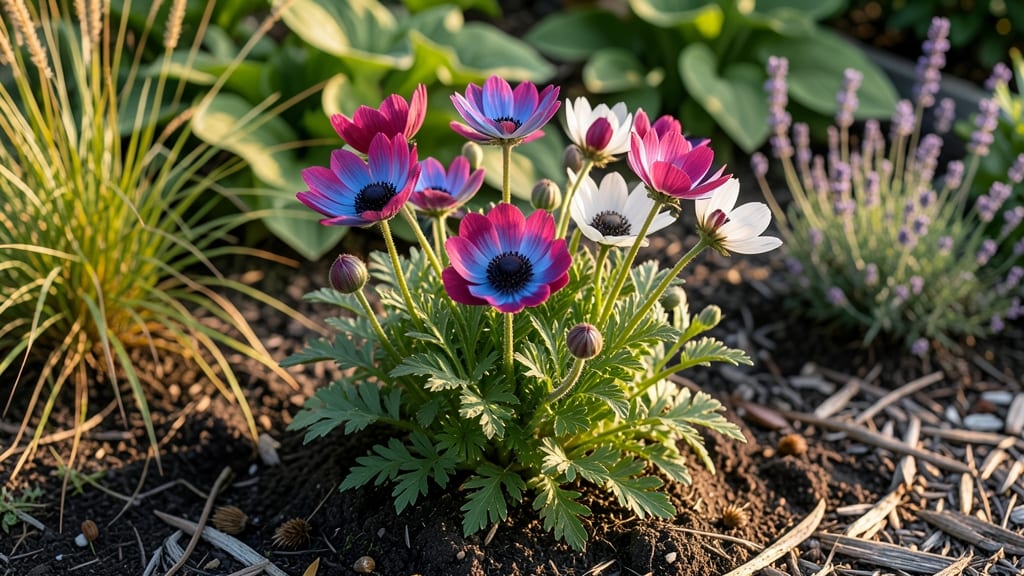
Anemone flowers grow anywhere from 6 inches to 4 feet tall 🌸, depending on the variety, and knowing their mature height is the key to placing them right in your garden.
If you’re dreaming of dramatic, long-stemmed anemones for your garden but aren’t sure how much space to allocate, you’re not alone—these flowers come in surprising height variations that can completely transform your landscape design.
Tall varieties like Anemone hupehensis can reach 4 feet, making them perfect for backdrops, while dwarf types like Anemone blanda stay under 12 inches, ideal for borders or containers.
Below, I’ll break down the height ranges by species, how sunlight and soil affect growth, and simple tips to keep your anemones at the perfect height—whether you want them towering or tidy.


Anemone flower height ranges by variety: from dwarf to towering
Anemones are one of the most versatile garden flowers, offering everything from delicate dwarf varieties perfect for container gardens to towering beauties that create stunning backdrop focal points. Understanding their height ranges helps you plan your garden layout with confidence.
Some varieties barely reach your knee height, while others can stretch taller than a standard door frame—all while sharing that signature delicate bloom.
When selecting anemones, consider not just their mature height but also their growth habits and spreading tendencies. For example, Japanese anemones often grow upright and sturdy, making them ideal for mid-border planting, while windflowers (Anemone hupehensis) can sprawl wider than their height suggests.
The key is matching the variety to your garden's vertical layers.
Here’s how to visualize anemone heights: imagine a 6-inch-tall dwarf tucked into a window box, a 2-foot mid-height anchoring a mixed perennial bed, and a 4-foot giant standing proudly behind shrubs or roses.
Each plays a distinct role in your garden’s vertical composition, creating depth and drama.
One of the most exciting aspects of anemones is how their height evolves over time. For instance, Anemone coronaria might start as a 6-inch dwarf in its first year but can reach 12 inches with proper care.
Meanwhile, Japanese anemones like 'Honorine Jobert' begin as 18-inch plants and can mature to 24 inches by their third year, especially in rich, well-drained soil.
If you’re working with limited vertical space, consider dwarf anemones like Anemone blanda or wood anemone, which thrive in shady corners and rock gardens. Their delicate blooms add color without overwhelming smaller areas.
For cut flower arrangements, taller varieties like 'Queen Charlotte' or 'Praecox' provide long, sturdy stems that hold up beautifully in vases.
Light conditions also influence height. Anemones grown in partial shade tend to be more compact, while those in full sun may grow taller but require additional support.
For example, Anemone hupehensis in full sun can reach 30 inches, whereas in shade, it might stay around 20 inches. Always match your garden’s light conditions to the variety’s preferences.
For container gardening,
How to control Anemone height: pruning, staking, and variety selection
Anemones can grow from delicate 8-inch dwarfs to towering 4-foot giants, but their height isn’t set in stone. With the right techniques, you can guide their growth to fit your garden perfectly.
Whether you’re dealing with floppy stems or wishing for bushier blooms, these strategies will help you maintain control over their stature.
Tall anemones like Japanese anemone (Anemone × hybrida) often need support to prevent flopping, while dwarf varieties like windflower anemones (Anemone nemorosa) thrive in borders without intervention. The key lies in understanding your specific variety’s growth habits and acting at the right time to shape their development.
-
Step 1: Choose the Right Variety
Select dwarf varieties (6-12 inches) for borders or tall cultivars (24-48 inches) for backdrops. For example, 'Honorine Jobert' stays compact while 'Queen Charlotte' reaches 4 feet.
-
Step 2: Prune for Bushiness
Pinch back new growth in spring by 1/3 to encourage branching. For Japanese anemones, cut back spent blooms to 6 inches above ground in fall to prevent flopping next season.
-
Step 3: Stake Tall Varieties Early
Install 3-foot stakes or tomato cages when stems reach 12 inches. Use soft ties to avoid damaging stems, and check weekly to adjust as growth progresses.
-
Step 4: Deadhead Regularly
Remove faded blooms promptly to redirect energy to new growth rather than seed production. This keeps plants compact and flowering longer.
-
Step 5: Fertilize Strategically
Apply a balanced fertilizer (5-10-10) in early spring to promote sturdy stems. Avoid over-fertilizing, which can lead to weak, leggy growth.
For container gardening, opt for windflower anemones or 'Robustissima', which stay under 18 inches. In containers, their roots stay confined, preventing excessive height. If you’re growing tall anemones in borders, space them 18-24 inches apart to allow airflow and reduce disease risk.
One common mistake is waiting too long to stake tall varieties. If you notice stems leaning or flopping by mid-summer, it’s already too late for effective staking. Start support early—when plants are half their mature height—to prevent damage and ensure structural integrity.
With these techniques, you can transform unruly anemones into well-behaved garden stars, whether you’re aiming for a neat border or a dramatic backdrop. The secret? Act early, prune often, and choose varieties that match your space.