
Size
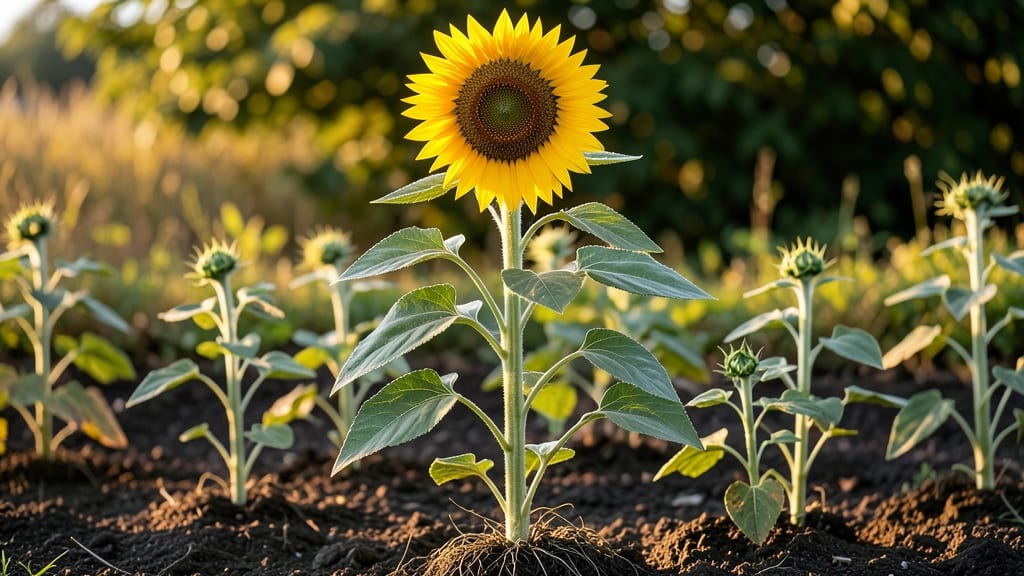
Sunflower plants get as tall as 16 feet—or as short as 1 foot, depending on the variety you choose and how you nurture them.
Picture this: a sunflower 🌻 towering over your fence, its golden face reaching for the sky, or a compact Teddy Bear variety adding cheerful color to a patio container. The difference isn’t just in the height—it’s in the way your garden transforms.
Dwarf varieties like 'Little Becka' stay under 3 feet, making them perfect for small spaces, while giants like 'Mammoth' can stretch taller than a two-story house.
But it’s not just about the seeds you buy—soil, sunlight, and even watering habits play a surprising role in how tall your sunflowers grow.
In this guide, I’ll break down the height ranges of popular varieties, the secrets to encouraging (or controlling) growth, and how to give your sunflowers the space they need to thrive—without taking over your yard.


Sunflower height by variety: from dwarf to giant species
Sunflowers are nature’s skyscrapers, with some varieties reaching heights that rival small trees. But not all sunflowers are giants—some stay compact enough for containers or small gardens.
The height of sunflower plants depends entirely on the variety, with dwarf types staying under 3 feet while giant species can tower over 15 feet. Choosing the right variety ensures your garden design works whether you want a whimsical border or a dramatic focal point.
For gardeners planning space, knowing these height ranges is crucial. A 10-foot sunflower needs room to sway without toppling, while 3-foot dwarf varieties fit perfectly in window boxes.
Below, I’ve broken down the most popular sunflower types by height, along with their ideal growing conditions to help you pick the perfect fit for your garden.
| Variety Type | Height Range | Best For | Sun Needs | Spacing |
|---|---|---|---|---|
| Dwarf Varieties | 1–3 ft | Containers, borders, small gardens | Full sun (6+ hrs) | 12–18 inches apart |
| Teddy Bear | 2–3 ft | Cut flowers, pollinators | Full sun | 12 inches apart |
| Moulin Rouge | 3–4 ft | Cut flowers, bouquets | Full sun | 18 inches apart |
| Medium Varieties | 5–8 ft | Back of borders, cut flowers | Full sun | 24–36 inches apart |
| ProCut | 5–7 ft | Florist varieties | Full sun | 24 inches apart |
| Autumn Beauty | 6–8 ft | Pollinators, late blooms | Full sun | 30 inches apart |
| Giant Varieties | 10–15+ ft |
What determines sunflower height? Soil, sun, and hidden growth factorsSunflowers grow taller than most garden plants, but their final height isn’t just luck—it’s science. The genetics of your variety set the baseline, but soil quality, sunlight exposure, and even watering habits can push those stems toward the sky or keep them compact. I’ve seen Mammoth varieties reach 12 feet with ideal care, while Teddy Bear types stay under 3 feet in the same garden. The difference? Tiny details that add up. First, let’s talk sunlight—the most critical factor. Sunflowers are heliotropic, meaning they follow the sun’s path. A full-sun location (6+ hours daily) fuels rapid growth, while partial shade can stunt them by 30-50%. I once grew a Russian Giant in partial shade and watched it struggle to reach half its expected 15-foot height. The moral? Sun = height. Even dwarf varieties need 5-6 hours to thrive. Now, let’s dig into soil. Sunflowers are heavy feeders, and nutrient-poor soil will limit their potential. A soil test reveals whether your garden lacks phosphorus (for root growth) or potassium (for stem strength). I always amend my beds with compost and a balanced fertilizer (5-10-10) at planting, then top-dress with wood ash mid-season for extra potassium. The result? Stems that stay sturdy and tall. 1
Sunlight: 6+ hours of direct sun = maximum height. Partial shade reduces growth by 30-50%. Giant varieties need full sun to reach their potential.
2
Soil nutrients: Phosphorus and potassium boost stem strength. Nitrogen (too much) causes leafy growth at the expense of height. Test soil before planting!
3
Watering: Deep, infrequent watering (1-2 gallons per plant) encourages taller stems. Surface watering leads to weak, leggy growth. Water at the base, not the leaves.
4
Spacing: Crowded plants compete for nutrients and grow shorter. Follow variety guidelines—Mammoth types need 2 feet between plants; dwarf varieties can tolerate 1 foot.
5
Wind exposure: High winds can stunt growth or snap stems. Use stakes or cages for varieties over 6 feet, especially in exposed areas.
Watering might seem simple, but timing and technique matter. Sunflowers hate wet foliage, which invites fungal diseases like powdery mildew. I always water deeply at the base in the early morning, letting the soil absorb moisture before the sun intensifies. Shallow watering encourages weak stems that flop over. For giant varieties, I use drip irrigation to keep the soil consistently moist without overwatering. Don’t overlook spacing, either. Sunflowers need room to stretch their roots and reach for the sun. I’ve seen Mammoth sunflowers grow 2 feet shorter when planted too closely together. Follow the seed packet guidelines: 12-18 inches apart for standard types, 24 inches for giants. In small gardens, opt for dwarf varieties like Teddy Bear or Sunspot, which stay under 3 feet. Finally, consider your climate. Sunflowers in hot, dry regions (like Arizona) may grow taller and leaner to escape heat, while those in cooler climates (like the Pacific Northwest) might stay stockier. I once grew Russian Giants in both zones and noticed the desert-grown plants stretched 3 feet taller than their coastal counterparts. Adjust your expectations—and your support structures—based on where you live. |