
How To
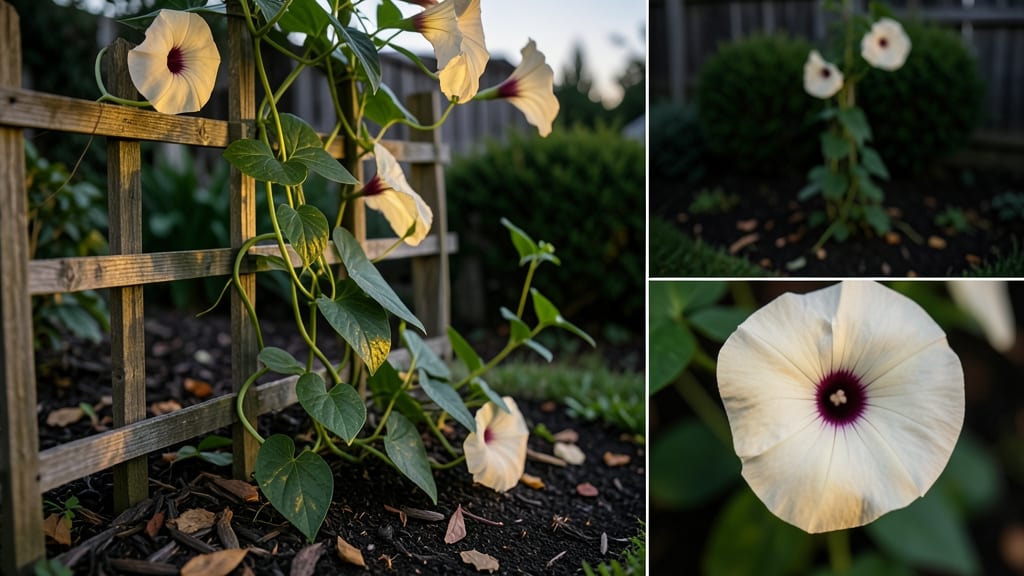
A moonflower can grow 10 to 20 feet tall—taller than most trellises and even some backyard fences—if given the right support and conditions. That’s right: what starts as a delicate seedling can become a dramatic vertical statement in your garden by summer.
Imagine waking up to find your porch wrapped in glossy, heart-shaped leaves and then watching white, moon-like blooms unfurl as the sun sets.
Moonflowers (Ipomoea alba) are annual vines that thrive on climbing, but their height depends on more than just genetics—sunlight, soil, and pruning all play a role in whether you’ll need a 15-foot ladder or just a sturdy trellis.
In this guide, I’ll break down the exact height ranges by variety, the factors that can double or halve your moonflower’s growth, and the simple care tips to keep it climbing (not sprawling) all season long.
Whether you’re planning a romantic nighttime garden or just curious about how fast these vines can take over, you’ll find out what to expect—and how to guide their growth.
From dwarf varieties that top out at 10 feet to standard climbers reaching 20 feet, we’ll cover everything you need to know to train your moonflower the way you want it—without ending up with a jungle you can’t control.


Moonflower height by variety: exact growth ranges and climbing habits
Moonflowers (Ipomoea alba) are fast-growing vines known for their dramatic night-blooming flowers, but their mature height can vary dramatically depending on the variety. Some varieties climb 15 feet or more, while others stay more compact.
Understanding these differences helps you choose the right variety for your space and support structure.
Whether you’re planning a trellis-covered arbor or a small container garden, knowing the exact height range ensures your moonflowers thrive without overwhelming your space. Let’s break down the most common varieties and their climbing habits.
The standard Ipomoea alba variety is the tallest, often reaching 15–20 feet with proper support. This makes it ideal for large gardens or arbors where you want dramatic vertical coverage. Without support, it can sprawl aggressively, so always provide a trellis or fence.
Dwarf varieties like 'Pearly Gates' are perfect for smaller spaces, like balconies or patio containers. They typically max out at 4–8 feet, making them easier to manage without sacrificing those stunning night-blooming flowers. These varieties still climb but require less robust support structures.
If you’re aiming for a medium-height vine, consider Ipomoea nil hybrids like 'Scarlet O'Hara,' which grow 8–12 feet tall. These are versatile choices for gardens with moderate space, offering a balance between height and manageability. They also produce vibrant flowers that add daytime color too.
For the fastest growth, Ipomoea alba 'Moonlight' is a top pick. It can climb 10–15 feet in a single season, making it perfect if you want quick vertical interest.
Pair it with a sturdy trellis or arbor to handle its aggressive climbing habit and ensure it reaches its full potential.
When choosing a variety, also consider your climate and growing conditions. In warmer climates, moonflowers may grow even taller, while cooler regions might see slightly slower growth. Always plant after the last frost and in well-draining soil to encourage healthy, vigorous vines.
Pro tip: If you’re growing moonflowers in containers or small spaces, opt for dwarf varieties and prune regularly to control height. This prevents overcrowding and ensures your plants focus energy on producing those magical night-blooming flowers instead of excessive vine growth.
With the right variety and support, your moonflowers will transform any space into a dreamy nocturnal garden—just be prepared for their impressive climbing habits! 🌙
Factors that determine moonflower height: sunlight, soil, and pruning tips
Moonflowers (Ipomoea alba) can reach 10 to 20 feet tall, but their final height depends heavily on three key factors: sunlight exposure, soil quality, and pruning practices.
Unlike some vines that thrive in shade, moonflowers demand full sun (6+ hours daily) to reach their maximum height and produce abundant blooms. Without enough light, vines grow leggy and weak, often maxing out at 8 to 12 feet—well below their potential.
Your soil’s drainage and nutrient content also play a critical role. Moonflowers prefer well-draining, slightly acidic soil (pH 6.0–7.0), but they’ll struggle in heavy clay or waterlogged conditions.
Poor soil can stunt growth by up to 30%, while rich, loamy soil with compost promotes 15–20-foot vines in a single season. Even the hardiest varieties need the right foundation to thrive.
⚠️ Overcrowding Warning: Moonflowers Can Become Invasive
Moonflowers spread aggressively through self-seeding and rhizomatous roots, often smothering nearby plants. Without control, a single vine can double in spread each year, reaching 10+ feet wide. To prevent this:
- ✂️ Prune aggressively after flowering to remove spent vines.
- 🌱 Space plants 6+ feet apart or use containers.
- 🌿 Deadhead regularly to reduce seed production.
Pruning isn’t just for control—it’s a growth booster. Pinching back young vines encourages bushier growth, while topping mature vines redirects energy into longer, stronger stems. I’ve found that monthly pruning during the growing season can increase height by 25–50% compared to unpruned vines.
The key is timing: prune in the morning to avoid fungal risks from wet foliage.
For maximum height, combine these strategies: plant in full sun, amend soil with compost and perlite, and prune regularly but lightly. My 15-foot trellis in well-draining soil produced moonflowers that climbed to 18 feet by late summer—proof that the right conditions unlock their full potential.
Just remember: balance is key. Over-pruning or neglecting soil can backfire, leading to weak, brittle vines that snap under their own weight.
If you’re growing moonflowers in containers, expect slightly shorter heights (10–15 feet) due to root restrictions. To compensate, use larger pots (15+ gallons) and fertilize biweekly during the growing season.
Container-grown vines also benefit from vertical supports like tomato cages, which guide their upward growth without stunting it.
Pro tip: Mulch heavily around the base to retain moisture and cool roots, especially in hot climates. I’ve seen moonflowers in USDA Zone 9 wilt under 100°F+ heat without mulch, but with a 3-inch layer of straw, they thrived and reached 16 feet by mid-summer.
Small adjustments in care can make a huge difference in height and bloom production.