
Flowers
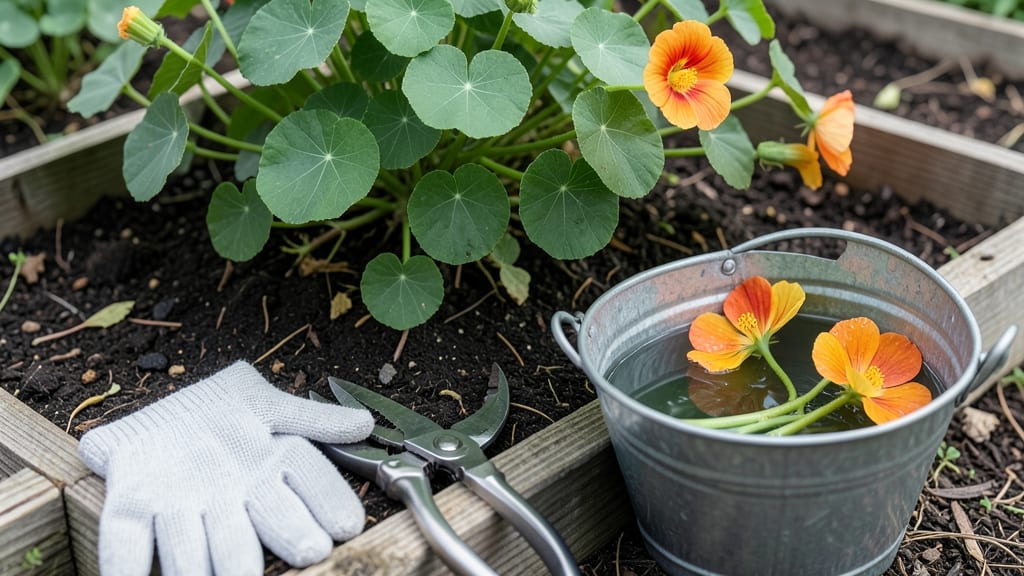
To harvest nasturtium flowers at their peak—when they’re crisp, vibrant, and bursting with that signature peppery kick—is all about timing and technique.
Picture this: you’ve spent weeks coaxing these 🌸 blooms to life, only to realize they’re either too bitter or already wilting by the time you use them.
Nasturtiums aren’t just pretty faces; they’re edible superstars in salads, garnishes, and even homemade vinegars. But get the harvest wrong, and you’ll waste their full potential.
In this guide, I’ll walk you through the perfect moment to snip those blooms (morning, always), how to cut stems without stunting your plant, and even how to save seeds for next year’s garden. No more guesswork—just flavor-packed harvests every time.
Whether you’re growing nasturtiums in Zone 6a or a sunny windowsill, these tips will keep your plants thriving while you enjoy their dual-purpose beauty. Let’s get started!

When to harvest nasturtium flowers for peak flavor and edible quality
Timing is everything when harvesting nasturtium flowers for their best flavor and texture. These edible blooms pack a peppery kick when picked at the perfect stage, but wait too long, and they’ll turn bitter or woody.
The key is harvesting fully opened but still crisp flowers in the morning, when their flavors are most concentrated and moisture levels are ideal.
For seed pods, the window is even narrower—you want them plump and tender, not yet tough or shriveled. These pods, often called "pepper nuts," are packed with nutrients but lose their crunch and mild spice if left on the vine too long.
Understanding these stages ensures you get the most from your edible nasturtium harvest.
Climate plays a huge role in harvest timing. In warmer climates (Zones 8-10), nasturtiums bloom continuously from spring through fall, giving you multiple harvest windows. Meanwhile, in cooler regions (Zones 3-7), focus on harvesting between June and September before the first frost. Always check your local frost dates to plan ahead.
| Harvest Type | Ideal Stage | Best Time of Day | Seasonal Window |
|---|---|---|---|
| Flowers | Fully opened, vibrant color, crisp petals | Morning (6-9 AM) | June-September (varies by climate) |
| Seed Pods | Plump, firm, bright green (not woody) | Late morning (9-11 AM) | July-October (after flowers fade) |
| Leaves | Young, tender, deep green | Morning (6-9 AM) | Spring-Fall (continuous harvest) |
The morning harvest is non-negotiable for peak flavor. Flowers picked in the heat of the day wilt faster and lose their peppery punch. Aim to harvest between 6 AM and 9 AM when temperatures are cool, and the flowers are at their freshest and most vibrant.
This timing also helps prevent the bitterness that develops as the day heats up.
Seed pods require a slightly different approach. They should be bright green and firm, almost like tiny cucumbers. If they’ve turned yellow or feel woody, they’ve passed their prime. For best texture, harvest them when they’re about 1-2 inches long. These pods are great for snacking or adding to salads, but their flavor declines rapidly once they mature.
In cooler climates, nasturtiums may slow down in late summer, so prioritize harvesting flowers and leaves before the first frost. In warmer zones, you can extend your harvest into early fall, but watch for heat stress, which can make flowers bitter.
Always check the stem firmness—if it feels soft, the flower is past its peak.
Avoid harvesting wilted or damaged flowers, as they’ll compromise the flavor of your culinary creations. Look for bright colors and crisp petals—these are your cues for perfect edible quality.
If you notice yellowing leaves or stunted growth, it might be time to reduce watering or adjust sunlight exposure to keep your plants thriving.
Pro tip: Harvest regularly to encourage continuous blooming. Nasturtiums are prolific producers, but they’ll reward you with more flowers and pods if you prune spent blooms promptly. This practice also keeps your plants neat and healthy, preventing disease and pests from taking hold.
For long-term storage, harvest flowers and pods in the morning and pat them dry before storing. You can air-dry them for potpourri or freeze them in ice cube trays for later use in culinary dishes. Just remember: freshness is key for the best flavor and texture.
🌸
Step-by-step harvesting techniques for blooms, leaves, and seed pods
Harvesting nasturtium flowers at the right stage ensures maximum flavor and keeps your plants producing more blooms. The key is to act quickly—once flowers are fully open but still crisp, they’re at their peak edibility.
For seed pods, timing is equally critical; harvest them when they’re plump and firm but before they split open naturally. I’ve found that morning harvests yield the freshest, most vibrant blooms, free from overnight wilting or bitterness.
Your tools matter just as much as timing. Use clean, sharp pruning shears or even your fingers for delicate stems—never dull scissors, as they crush stems and invite disease. For leaves, snip just above a leaf node to encourage bushier growth.
And always leave at least one-third of the plant unharvested to maintain its vigor. This balance ensures your nasturtiums keep gracing your garden (and your plate) all season long.
How to Harvest Nasturtium Flowers
- 1 Wait for morning: Harvest between 6 AM and 9 AM when dew has evaporated but flowers are still cool and crisp.
- 2 Identify ready blooms: Look for fully open flowers with bright, unwilted petals. Avoid buds or overripe blooms—they’re bitter or past their prime.
- 3 Cut stems cleanly: Use sharp scissors or pruners to snip stems at a 45-degree angle just above a leaf node. This prevents water from pooling and causing rot.
- 4 Harvest seed pods: Pick plump, firm pods when they’re green and crisp (about 60-90 days after planting). Let them dry on the plant for 1-2 days before storing to preserve flavor.
- 5 Leave 1/3 of the plant: Never harvest more than two-thirds of blooms at once. This ensures continuous regrowth and flowering throughout the season.
For leaves, which pack a milder peppery punch, harvest younger growth for the tenderest texture. Pinch off leaves just above a set of leaves to redirect energy to new shoots.
I’ve noticed that regular harvesting actually encourages nasturtiums to produce more flowers and leaves, so don’t be shy—just stay mindful of the one-third rule. Pro tip: If you’re growing nasturtiums for seed-saving, let a few pods mature fully on the plant before harvesting them for next year’s crop.
One common mistake I see is harvesting wilting or overripe flowers, which can turn your dishes bitter. Always check for crisp petals and firm stems—these are your green lights. And if you’re using nasturtiums for culinary purposes, remember that younger leaves and flowers are the most tender.
For decorative arrangements, you can harvest slightly older blooms, but rinse them thoroughly to remove any pests or debris.
After harvesting, store your nasturtiums in the fridge for up to 5 days if you’re not using them immediately. For long-term storage, try drying flowers or freezing seed pods—both methods preserve their vibrant color and peppery kick.
With these techniques, you’ll enjoy a continuous harvest from June through October, no matter your USDA Zone 6a climate.