
Shrubs
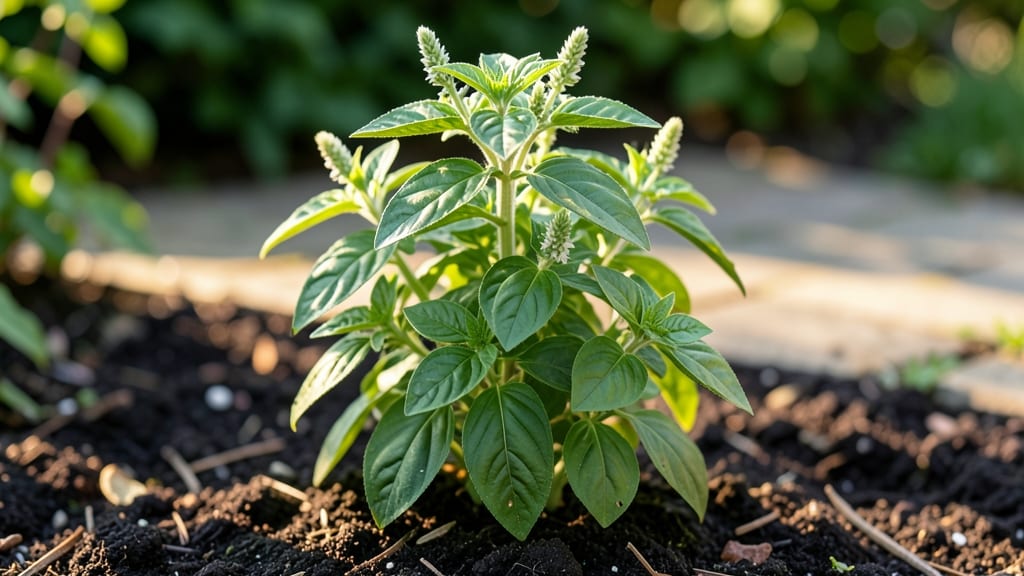
Telling if basil is flowering is the first step to saving your harvest before flavor fades—and it’s easier than you think.
If your basil plants are suddenly producing small white or purple flowers, you might be unknowingly sacrificing their signature flavor—and potentially losing your entire harvest if you don’t act fast. 🌿
Flowering signals the end of your basil’s prime leaf-producing phase, but catching it early gives you time to prune and restore growth. The key is spotting those tiny blooms before they steal nutrients from your leaves.
In this guide, I’ll walk you through how to identify basil flowers, why they matter, and exactly what to do once you see them—so you can keep your plants productive all season long.
Visual signs your basil is flowering (and why it’s a problem)
When your basil plants start producing flowers, it’s a clear signal that your harvest window is closing. These delicate white or purple blooms mark the beginning of the end for leaf production, as the plant shifts energy from flavorful foliage to seed production.
The moment you spot flowers, your basil’s signature anise-like flavor begins to fade, and leaves may turn bitter. Understanding these visual cues is your first step in saving your crop.
Flowering basil typically develops two types of buds: terminal buds (at the very top of stems) and side buds (along the stems). Terminal buds are the most critical to watch—they’re the first to bloom and can halt your plant’s growth entirely.
Side buds, while less urgent, still signal that your basil is maturing. Both types require immediate action to preserve your harvest and flavor.
Here’s how to quickly identify flowering basil using these key visual markers, along with what each sign means for your plant’s future:
| Sign | Appearance | What It Means | Action Needed |
|---|---|---|---|
| Terminal Buds | Small white or purple blooms at stem tips | Plant is redirecting energy to seeds, halting leaf growth | Prune immediately to encourage new growth |
| Side Buds | Tiny buds forming along stems (not yet open) | Plant is maturing; flavor will decline if buds open | Remove buds ASAP to redirect energy to leaves |
| Leaf Changes | Leaves turn pale, lose aroma, or develop yellow edges | Nutrients are being diverted from foliage to flowers | Prune flowers and fertilize to restore leaf health |
| Stem Thickening | Stems become woody or rigid | Plant is entering reproductive phase | Harvest leaves immediately and prune flowers |
| Flower Color Shift | Flowers change from white to purple | Later stage of flowering; flavor loss is irreversible | Prune aggressively and consider replacing plant |
The science behind flowering explains why this shift happens. Basil, like many herbs, is an annual plant that prioritizes reproduction over leaf production once it reaches maturity. When your plant detects longer daylight hours (common in late summer) or stress signals (like drought or overcrowding), it triggers flowering hormones.
This is why basil grown in containers or indoor settings often flowers later—controlled environments delay these natural cues.
If you’re growing Genovese basil (a popular variety for pesto), you’ll notice its large, purple flowers first. Other types, like Thai basil, produce smaller white blooms with red stems.
Regardless of variety, the moment you see flowers, your basil’s essential oils (which carry its flavor) start to break down. This is why chefs and gardeners alike treat flowering basil like a ticking clock—once those buds appear, you’ve got days, not weeks, to act.
Another tell-tale sign is the leaf structure. Healthy basil leaves are broad, dark green, and slightly wrinkled. When flowering begins, leaves may become narrower, lighter green, or even curled at the edges. This change happens because the plant is reallocating chlorophyll to support flower development.
If you crush a leaf and it lacks the distinctive anise scent, your basil is already past its prime for culinary use.
Don’t wait until flowers fully bloom to act. Even tiny buds (as small as a pinhead) mean your basil is shifting focus.
The key is to prune aggressively—cutting off buds before they open can sometimes reset the plant’s growth cycle and buy you a few more weeks of harvest. For best results, use clean, sharp pruners and remove buds just above a leaf node to encourage new growth.
Flowering basil isn’t just about lost flavor—it’s also about reduced yield. Once buds form, your plant will produce fewer leaves and prioritize seed production. In extreme cases, flowering can even weaken the plant’s immune system, making it more susceptible to pests like aphids or diseases such as downy mildew. This is why experienced gardeners treat flowering basil like a fire drill: swift action
Step-by-step guide to prune flowering basil and restore growth
Once you spot those tiny white or purple flowers on your basil plants, it’s time to act fast. Flowering signals the end of your basil’s prime leaf-producing phase, and those blooms will redirect energy away from flavorful leaves. Pruning now can revive growth and extend your harvest by weeks.
Before grabbing your shears, gather these essentials: sharp pruning scissors, a small bowl for clippings, and a pair of gardening gloves to protect your hands.
Work in the early morning when the plants are hydrated and temperatures are mild. Timing matters—prune just above a leaf node to encourage new shoots.
After pruning, your basil plants should show new growth within 1-2 weeks. Keep them in bright, indirect light for the first few days to reduce stress. Water at the base of the plant to avoid wetting leaves, which can attract pests or diseases.
For maximum flavor restoration, harvest the new leaves regularly—this encourages bushier growth and prevents future flowering. Avoid over-pruning, though; never remove more than one-third of the plant at once. With proper care, your basil can keep producing aromatic leaves for months.
Pruning flowering basil isn’t just about saving your harvest—it’s about preserving that signature sweet, peppery flavor. Once flowers set seeds, the leaves become bitter and woody. By acting now, you’re ensuring a longer, more flavorful harvest all season long. 🌿✂️💧