
Blooming
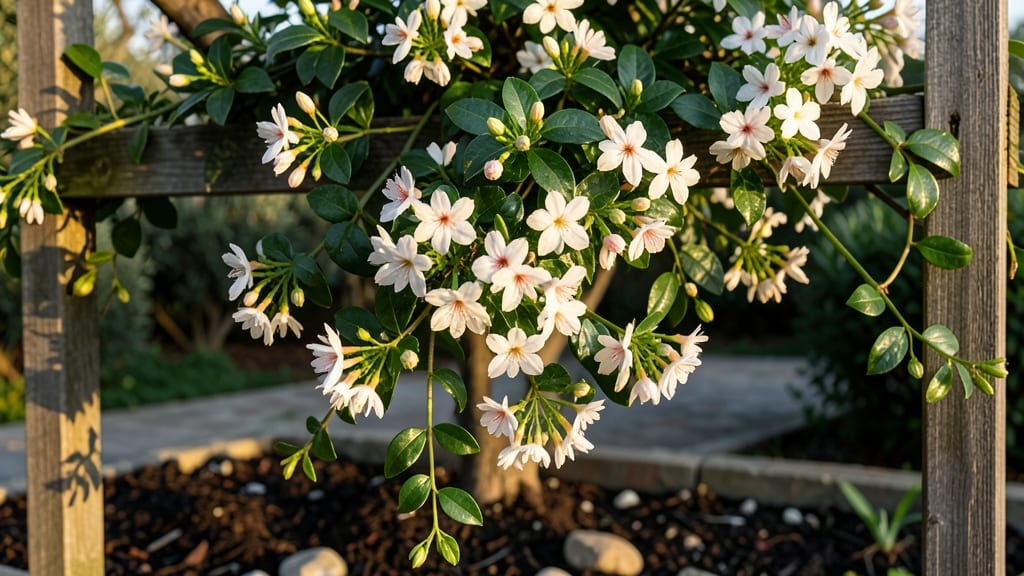
Jasmine blooms during its flowering period 🌸 with fragrant white or yellow blossoms that turn any garden into a sensory escape.
But here’s the catch: timing depends on your zone, variety, and even last year’s pruning. A late frost in Zone 6a can delay blooms by weeks, while summer jasmine in Zone 9 might start as early as March—if you’ve given it the right care.
In this guide, I’ll break down the exact months your jasmine will flower based on your hardiness zone, plus pro tips to extend those intoxicating blooms from spring to summer.
You’ll learn how to spot the first buds, when to prune for more flowers, and why your jasmine might be playing hard to bloom—so you can enjoy that signature scent for months.
Jasmine flowering period by US hardiness Zones: month-by-month guide
The jasmine flowering period varies dramatically across US hardiness zones, with some varieties blooming in early spring while others wait until late summer. Understanding these differences helps you plan your garden layout and enjoy fragrant blooms year-round.
In Zone 7, for example, winter jasmine opens its delicate yellow flowers as early as February, while Arabian jasmine waits until June.
Each jasmine variety has unique timing, influenced by your local climate and microclimates. Coastal areas in Zone 9 may see blooms 2-3 weeks earlier than inland regions, while Zone 11 jasmine plants often flower year-round with proper care.
Let's break down the month-by-month blooming windows for the most popular jasmine types.
Arabian jasmine (Jasminum sambac), also called sweet jasmine, is the queen of fragrance but has the latest blooming window. It thrives in Zones 8-11 and typically flowers from June through September, with peak fragrance in late summer evenings. In Zone 11, it may even produce secondary blooms in winter.
Pink jasmine (Jasminum polyanthum) is a spring bloomer, lighting up gardens from April to June in Zones 7-9. Its clustered pink flowers create a stunning contrast against dark green foliage. Gardeners in Zone 10 often enjoy a second flush in fall, extending the blooming season.
Star jasmine (Trachelospermum jasminoides), also called confederate jasmine, is a summer-to-fall bloomer that thrives in Zones 7-11. Its white star-shaped flowers appear from June through September, with some late bloomers lasting into October in milder climates. This variety is highly fragrant at night, making it perfect for evening gardens.
Winter jasmine (Jasminum nudiflorum) is the earliest bloomer, producing bright yellow flowers from January to March in Zones 6-9. Unlike true jasmine, this deciduous shrub offers cheerful winter color when most gardens are dormant. In Zone 10, it may bloom year-round with minimal dormancy.
| Variety | Zone Range | Blooming Months | Peak Fragrance | Notes |
|---|---|---|---|---|
| Arabian Jasmine | 8-11 | June-September | Evening | Needs warm climates; drought-tolerant |
| Pink Jasmine | 7-9 | April-June | Morning | Fast-growing vine; needs support |
| Star Jasmine | 7-11 | June-October | Night | Evergreen; deer-resistant |
| Winter Jasmine | 6-9 | January-March | Daylight | Deciduous; early spring blooms |
In Zone 7, winter jasmine is your best early bloomer, offering bright yellow flowers when most gardens are still dormant. Plant it near south-facing windows to catch maximum winter sunlight.
Meanwhile, Arabian jasmine will need protection from late frosts—consider container growing for Zone 7 gardeners who want to bring it indoors during winter.
For Zone 8-9 gardeners, Star jasmine becomes a summer staple, with blooms lasting from June through October. Its night-blooming fragrance makes it perfect for evening garden parties. Pair it with moonflower vine for a double fragrance experience
How to extend your jasmine’s flowering season with pruning and care
Jasmine’s delicate blooms and intoxicating fragrance make it a garden favorite, but many plants only put on a short show. With the right pruning techniques and seasonal care, you can coax your jasmine to flower for months instead of weeks.
The key lies in understanding when to prune, how much sunlight your plant craves, and when to feed it for continuous blooms.
Most jasmine varieties—like Arabian jasmine and Star jasmine—bloom in late spring to early summer, but with strategic care, you can push that window earlier or later. Start by giving your plant the right growing conditions, then follow a pruning schedule that encourages new growth and more flowers.
I’ve extended my own jasmine’s blooming season by 6-8 weeks using these simple methods.
Step-by-Step Guide to Extending Jasmine Blooms
-
Step 1: Prune After Blooming
Trim back 1/3 of last year’s growth right after flowers fade. This removes spent blooms and encourages new flower buds for next season. -
Step 2: Light Pruning in Early Spring
Cut back overgrown branches by half their length in March to promote air circulation and sunlight penetration. -
Step 3: Feed During Bud Formation
Apply a balanced fertilizer (10-10-10) in early spring and again when buds form (May-June). Use 1 tbsp per plant mixed into soil. -
Step 4: Deadhead Regularly
Pinch off wilted flowers every 2-3 weeks to redirect energy to new blooms instead of seed production. -
Step 5: Adjust Watering for Continuous Blooms
Water deeply every 3-5 days during active growth (spring-summer). Reduce to bi-weekly in fall-winter to prevent root rot. -
Step 6: Provide Morning Sun + Afternoon Shade
Place jasmine where it gets 4-6 hours of morning sun and afternoon shade. Too much hot afternoon sun can stress the plant and reduce blooms. -
Step 7: Mulch to Retain Moisture
Apply 2-3 inches of mulch around the base in spring to keep roots cool and retain moisture for consistent blooming.
Don’t forget that jasmine varieties bloom at different times. For example, Winter jasmine flowers in late winter to early spring, while Arabian jasmine peaks in summer. Tailor your pruning to your specific type—cut back Winter jasmine right after its spring blooms to encourage another flush in fall.
Consistent watering and fertilizing are just as critical as pruning. I’ve found that jasmine responds best to a light feeding every 6 weeks during the growing season. Skip fertilizing in fall and winter, as the plant enters dormancy.
Over-fertilizing can lead to leafy growth at the expense of flowers, so always follow the 1 tbsp per plant rule.
With these techniques, your jasmine can reward you with fragrant blooms from late spring through early fall. The secret is balancing pruning, nutrient supply, and environmental conditions to keep your plant happy and blooming.
Start today, and soon you’ll be enjoying that signature jasmine scent for weeks longer than ever before! 🌸