
Blooming
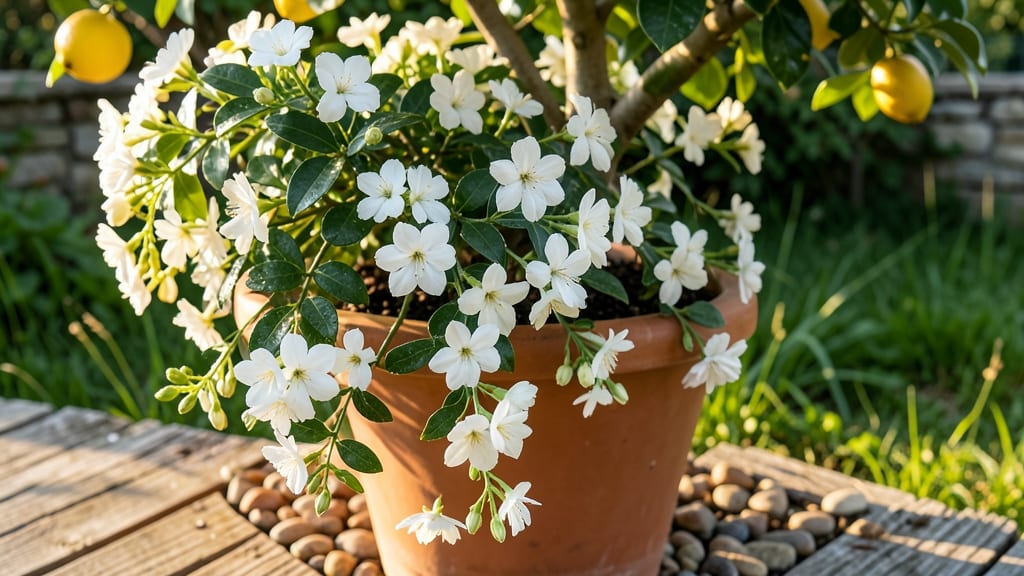
Jasmine flowers bloom with fragrant beauty when you align their care with nature’s timing—spring through summer is their prime season, but with a few tweaks, you can coax extra blooms year-round.
Picture this: a warm evening breeze carrying the sweetest scent through your garden, only to realize your jasmine hasn’t put on a single show. That’s the moment you realize timing, light, and a little pruning magic make all the difference.
Most jasmine varieties thrive in USDA Zone 6a and beyond, where spring planting (April–May) sets the stage for June–September blooms. But if your climate runs cooler or you’re eager for earlier flowers, we’ll show you how to trigger blooms faster—even in less-than-ideal conditions.
From predicting bloom windows to 4 simple steps that extend your jasmine’s fragrance party, this guide cuts through the guesswork. Let’s turn your vine into a year-round scent sensation.
When do jasmine flowers bloom naturally & how to predict their season
Jasmine flowers are famous for their intoxicating fragrance, but their blooming schedule depends heavily on variety and climate. Most jasmine types bloom in late spring to summer, but winter jasmine surprises with early spring flowers.
Understanding these natural cycles lets you predict—and even encourage—earlier blooms in your garden.
Your local climate plays a huge role in jasmine blooming. In USDA Zones 7-10, jasmine thrives year-round, while cooler zones (like Zone 6) may see delayed blooms until late May or June. Even a 5°F temperature shift can delay or advance blooming by weeks.
Moon phases also influence jasmine blooming. Planting or pruning during a waxing moon (when the moon is growing) can stimulate faster flower production. Meanwhile, a full moon often triggers peak blooming periods in established plants.
Here’s a quick reference for common jasmine types and their natural blooming seasons:
To predict jasmine blooms, watch for temperature shifts. Most jasmine varieties need consistent warmth (above 60°F) to trigger flowering. In cooler zones, use row covers or move potted jasmines indoors during late winter to jumpstart growth.
Pruning also affects blooming. Light pruning after blooms encourages new growth for next season, while heavy pruning in early spring can delay flowers by 3-4 weeks. Always prune just above a leaf node to promote healthy regrowth.
For earlier blooms, try these tricks: place potted jasmines near a south-facing wall to capture extra heat, or use a grow light for 12-14 hours/day in winter. Even a 10°F warmer microclimate can shift blooming by 2-3 weeks.
If your jasmine isn’t blooming, check these common issues: over-fertilizing with nitrogen (promotes leaves, not flowers), poor sunlight (jasmine needs 4+ hours of sun daily), or root-bound pots. Repot or fertilize with a low-nitrogen, high-phosphorus blend to encourage blooms.
With the right timing and care, you can enjoy jasmine’s signature scent from early spring to late summer. Start by choosing the right variety for your climate, then fine-tune with pruning and light adjustments to maximize those fragrant blooms.
4 Proven steps to trigger jasmine blooms faster (even out of season)
Jasmine flowers thrive when given the right care, but many gardeners struggle to get them to bloom on schedule. The secret lies in understanding how to stimulate growth with precise techniques.
Whether you're dealing with star jasmine or Arabian jasmine, these four steps will help you trigger blooms faster—even outside their natural season. Let's dive into the actionable methods that work.
First, recognize that jasmine plants respond to light exposure, pruning timing, and nutrient balance in specific ways. By adjusting these factors, you can coax your jasmine to produce more flowers, more often.
The key is consistency—small, regular changes make a bigger difference than occasional drastic adjustments. Let’s start with the foundational step that sets the stage for everything else.
🌸 Step-by-Step Guide to Faster Jasmine Blooms
-
Step 1: Prune for Growth
Trim back overgrown branches in late winter or early spring to encourage new growth. Cut just above a leaf node, and avoid pruning during the blooming season. This step stimulates flower bud formation by redirecting energy to new shoots. -
Step 2: Optimize Light Exposure
Place your jasmine in partial shade with 4-6 hours of morning sun and afternoon shade. If indoors, position it near an east-facing window. Too much direct sun can stress the plant, while insufficient light delays blooming. -
Step 3: Water Deeply and Consistently
Water your jasmine deeply every 3-5 days during the growing season, ensuring the soil stays moist but not soggy. In summer heat, increase frequency to daily. Avoid wetting the leaves to prevent fungal diseases like powdery mildew. -
Step 4: Fertilize Strategically
Use a balanced fertilizer (10-10-10) every 4-6 weeks during spring and summer. Apply it in the early morning to avoid burning the roots. Reduce or stop fertilizing in fall and winter to allow the plant to rest and prepare for next season’s blooms.
Now that you’ve set the stage with pruning and light, it’s time to focus on the watering schedule. Jasmine plants are sensitive to moisture levels, and inconsistent watering can lead to stunted growth or even flower drop.
The goal is to keep the soil evenly moist without waterlogging it. Use your finger to check the top inch of soil—if it feels dry, it’s time to water.
Finally, don’t overlook the power of seasonal adjustments. In cooler months, reduce watering and fertilizing to mimic the plant’s natural dormancy period. This helps jasmine store energy for a stronger bloom cycle the following year.
With these four steps, you’ll see a noticeable difference in your jasmine’s flowering within just a few months.
Ready to transform your garden into a fragrant paradise? Start with these techniques today, and watch your jasmine bloom faster than ever before. The key is patience and consistency—your efforts will pay off with a cascade of sweet-scented flowers. 🌿