
Planting
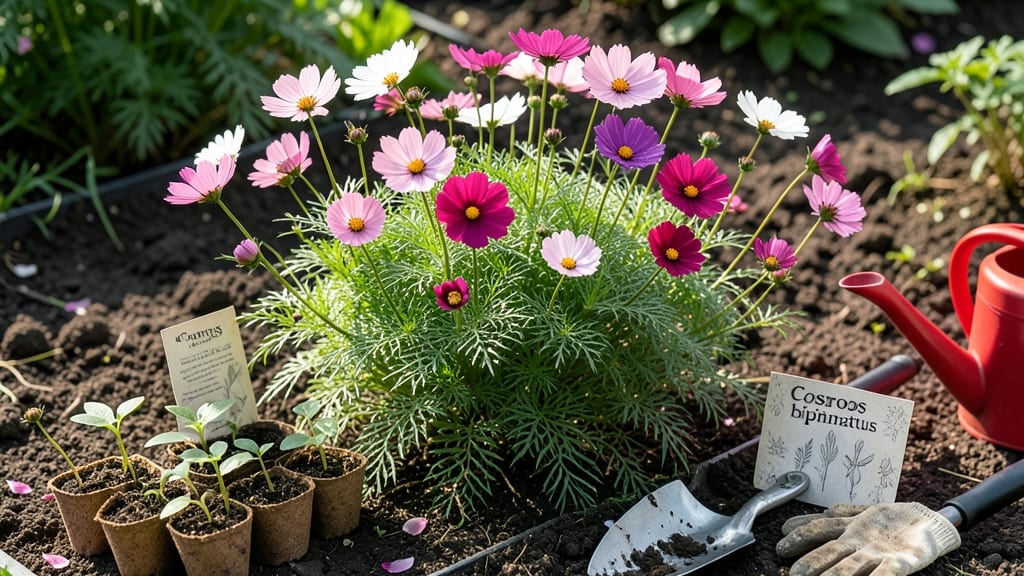
Planting July flower seeds 🌸 can turn your garden into a late-summer paradise with fast blooms that last until frost.
You might think summer planting is too late for vibrant blooms, but the right heat-tolerant varieties germinate in days, not weeks. Skip the wrong seeds, and you’ll end up with leggy, weak plants that never flower.
This guide covers the top 10 fast-sprouting annuals and perennials for July, from sunflowers to zinnias, plus soil prep, watering tricks, and zone-specific tips to beat the heat.
By the end, you’ll know exactly which seeds to pick, how to plant them for maximum success, and when to expect those first cheerful blooms.
Top 10 fast-germinating flower seeds to plant in July
July might seem late for planting, but with the right heat-tolerant flower seeds, you can still enjoy a stunning late-summer garden. These fast-germinating varieties thrive in warm soil and deliver vibrant blooms just in time for summer's final flurry.
Whether you're filling gaps, attracting pollinators, or adding height to your garden beds, these flowers deliver quick results with minimal fuss.
I've selected annuals and perennials that sprout in as little as 3-10 days and handle July's heat beautifully. From towering sunflowers to delicate cosmos, these flowers offer both practical benefits (like pest deterrence) and breathtaking visual appeal.
Let's dive into my top 10 picks that will have your garden bursting with color before fall arrives.
Pro Tip: For fastest germination, plant seeds in well-draining soil when temperatures are between 70-85°F and keep them consistently moist until sprouts appear. Most of these varieties perform best in full sun, though a few tolerate partial shade.
| Flower | Germination Time | Sun Needs | Height | Bloom Time | Special Notes |
|---|---|---|---|---|---|
| Cosmos Sensation | 5-7 days | Full sun | 2-4 ft | 8-10 weeks | Drought-resistant, attracts butterflies |
| Zinnia Profusion | 4-6 days | Full sun | 1-3 ft | 6-8 weeks | Long-lasting cut flowers, deer-resistant |
| Marigold French | 3-5 days | Full sun | 1-2 ft | 5-7 weeks | Pest-repellent, great for containers |
| Sunflower Moulin Rouge | 7-10 days | Full sun | 4-6 ft | 8-12 weeks | Edible seeds, attracts birds |
| Alyssum Sweet Alii | 7-14 days | Partial shade | 6-12 in | 4-6 weeks | Sweet fragrance, great for borders |
| Portulaca Moss Rose | 7-10 days | Full sun | 4-6 in | 4-6 weeks | Succulent-like, heat-loving |
| Bachelor's Button Cornflower | 10-14 days | Full sun | 1-3 ft | 8-10 weeks | Long stems for cutting |
| Nasturtium Jewel Mix | 5-7 days | Partial shade | 1-2 ft | 6-8 weeks | Edible flowers, pest deterrent |
| Cleome Spider Flower | 10-14 days | Full sun | 3-5 ft | 8-10 weeks |
How to maximize success when planting July flower seedsJuly planting might seem risky with scorching sun and dry soil, but with the right approach, you can coax fast-growing flowers into your garden before fall. The key lies in soil prep, watering discipline, and choosing heat-resistant varieties that thrive in summer's intensity. I’ve learned the hard way that skipping soil amendments or overwatering leads to weak seedlings that never bloom. Instead, focus on moisture retention, shade protection for young plants, and consistent care—these three pillars make all the difference in July’s challenging conditions.
🌱 Pro Tip: Pre-soak seeds for 24 hours before planting to jumpstart germination in hot, dry soil. Use a seedling heat mat if your soil stays below 60°F—this trick cuts germination time by half for zinnias and cosmos.
Start with well-draining soil mixed with compost or aged manure to provide nutrients without compacting. Test your soil’s pH—most summer flowers prefer 6.0–7.0. If your soil is sandy, add peat moss to hold moisture longer, while clay soils benefit from perlite or vermiculite for aeration. Watering is where most gardeners fail. Deep watering in the early morning (before 10 AM) prevents evaporation and fungal diseases. Use a soaker hose or drip irrigation to keep soil consistently moist but never soggy. Avoid overhead sprinklers—they waste water and spread disease. Young seedlings need partial shade during the hottest hours (12–3 PM). Use shade cloth (30–50%) or plant near taller perennials until they’re established. Once plants reach 3–4 inches tall, gradually introduce full sun to harden them off. Fertilize lightly with a balanced 5-10-10 formula when seedlings sprout their first true leaves. Over-fertilizing in summer stresses plants—stick to every 4–6 weeks and always water before applying fertilizer to prevent root burn. Watch for pests like aphids and spider mites, which thrive in hot weather. Spray plants with neem oil or introduce ladybugs to keep populations in check. Deadhead spent blooms regularly to encourage continuous flowering until frost. |