
Blooming
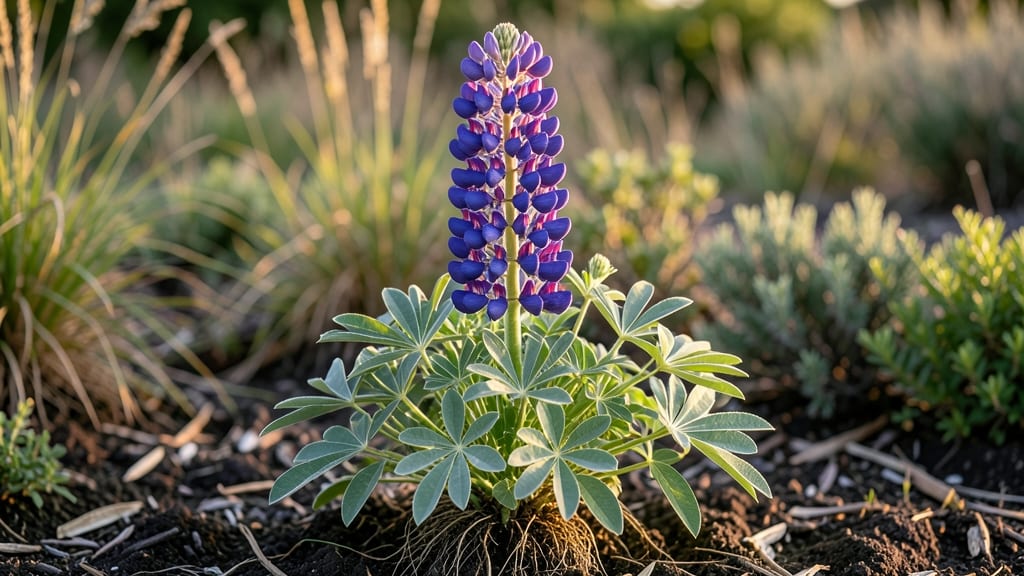
The lupine flowering season transforms gardens into a riot of blue, purple, and pink 🌸—but timing these showstoppers right means the difference between a dazzling display and a missed opportunity.
If you’ve ever dreamed of a garden bursting with vibrant lupine blooms, timing is everything—these showstoppers thrive only in their precise flowering season, which varies dramatically by USDA hardiness zone.
In Zone 6a, where lupines love to grow, expect blooms to peak in late spring to early summer, but the exact timing depends on whether you’re growing annuals or perennials—and even which variety you’ve chosen.
Below, I’ll break down the exact months for your zone, how to extend those blooms for weeks longer, and which lupine types deliver the most colorful, long-lasting displays.
Exact lupine flowering months by USDA plant hardiness zone
Timing your lupine blooms correctly transforms your garden from ordinary to extraordinary. These stunning perennials and annuals follow precise seasonal rhythms, with peak flowering windows that shift dramatically across USDA hardiness zones.
Whether you're growing tall garden lupines (Lupinus polyphyllus) or wild blue lupines (Lupinus perennis), knowing your zone's exact bloom schedule ensures you'll enjoy 3-6 weeks of vibrant color at the perfect moment.
Lupines are cool-season plants that typically bloom in late spring to early summer, but regional variations mean your early-season lupines in Zone 3 might finish blooming just as late-season varieties in Zone 9 are just getting started.
Understanding these patterns helps you plan companion plants, succession plantings, and even cut flower arrangements for maximum impact.
For gardeners in cooler northern zones (3-6), lupines often begin flowering as early as May, while those in warmer southern zones (7-10) may wait until June or even July.
The key difference lies in chilling requirements and heat tolerance—northern varieties need cooler temperatures to trigger blooms, while southern cultivars handle summer heat better.
Here's how to use this zone-specific guide: First, identify your USDA hardiness zone (find yours using the USDA zone map). Then locate your zone in the table below to see the exact 3-6 week bloom window for both perennial and annual lupines in your area.
Pay special attention to the peak bloom month, which is when your lupines will be at their most spectacular.
In Zones 3-4, lupines often begin their spectacular show in late May, reaching their peak in early June before tapering off by mid-July. This cool-climate timing makes them perfect companions for early summer perennials like peony and iris.
The key to extending their display in these zones is deadheading spent blooms and providing well-draining soil to prevent rot from spring rains.
Gardeners in Zones 5-6 enjoy the longest lupine season, with blooms stretching from early May through early July. This extended window creates opportunities for succession planting—try pairing early bloomers like Lupinus perennis with later varieties such as Lupinus polyphyllus 'Russell Hybrid' to create a continuous color display.
The cooler nights in these zones also help lupines maintain their vibrant colors longer.
For those in warmer southern zones (7-10), lupines often wait until mid-June to begin flowering, with peak displays in July and August. The heat can be challenging, so mulching and providing afternoon shade during peak summer months helps maintain bloom quality.
In these zones, annual lupines often outperform perennials, offering more reliable color displays each year.
Regional variations also come into play. For example, Pacific Northwest gardeners in Zone 7 might see lupines bloom 2-3 weeks earlier than those in Deep South Zone 8 due to cooler coastal influences.
Similarly, mountainous areas within zones may experience 1-2 week delays in blooming compared to valley locations. Always consider your microclimate when planning your lupine display.
Pro tip: Use this bloom timing to plan your cut flower garden. Lupines make excellent long-stemmed cut flowers, and knowing their exact bloom windows helps you create sequential arrangements that last all summer. For example, pair early
How to extend lupine blooms: pruning, deadheading, and seasonal care
Lupines reward patient gardeners with stunning 3-6 week displays, but their blooms can fade faster than expected if you miss key care steps. The secret to extending those vibrant blue and purple spikes lies in timing—pruning at the right moment and avoiding common pitfalls that drain energy from your plants.
First, understand that lupines are light feeders that hate soggy soil. Over-fertilizing or poor drainage triggers early bloom decline, while strategic deadheading can stretch your display by 2-4 weeks. Let’s break down the exact techniques that work—and what to avoid at all costs.
⚠️ Critical Lupine Blooming Mistake
Never cut back lupine stems after flowering—this removes next year’s seed pods and weakens the plant. Instead, prune spent blooms only during the active flowering season to redirect energy to new buds.
Start by deadheading faded flowers every 7-10 days using clean, sharp pruning shears. Snip stems just above the first set of leaves to encourage side shoots. For tall varieties like 'Russell Hybrid,' support stems with stakes or rings to prevent flopping, which stresses the plant and shortens bloom time.
Soil health is equally critical—amend your beds with compost or bone meal before planting to boost phosphorus, which fuels blooms. Test your soil’s pH (ideal range: 6.0-7.0); acidic soil stunts growth and reduces flower production.
Mulch with 2-3 inches of straw to retain moisture and regulate temperature, especially in hot summer zones.
Watering strategy makes or breaks lupine longevity. Deep watering twice weekly during peak bloom (May-July) prevents stress, but avoid overhead sprinklers that promote fungal diseases. In drought-prone areas, water at the base of plants in the early morning to minimize evaporation and leaf damage.
For perennial lupines, cut back dead foliage in late fall (after first frost) but leave 3-4 inches of stems to protect the crown. This prevents winter dieback and ensures a stronger rebloom next season. Annual lupines, however, can be cut back after flowering to tidy the garden.
With these techniques, your lupines will reward you with continuous color from early summer to fall, turning heads in every garden. The key? Stay consistent with light pruning, balanced feeding, and smart watering—your lupines will thank you with week after week of showstopping blooms! 🌷