
Mower
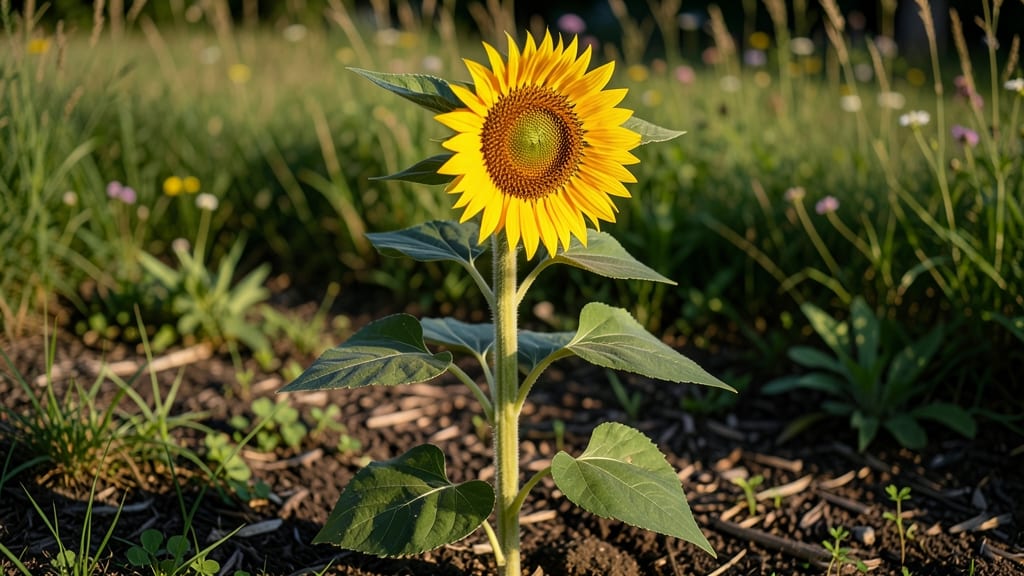
The Mammoth Russian Sunflower 🌻 can reach heights of 12 feet or more, making it one of the tallest sunflower varieties in the world.
Imagine towering sunflowers reaching heights of 12 feet or more—this isn’t just a dream, but a reality with the Mammoth Russian Sunflower, a legendary giant among sunflower varieties.
If you're dreaming of a sunflower that commands attention in your garden, you're not alone. Many gardeners are eager to grow these impressive plants, but achieving their full height potential requires the right conditions and care.
In this guide, you'll discover everything you need to know about maximizing the Mammoth Russian Sunflower height, including soil prep, spacing, watering, and staking tips to ensure your plants grow strong and tall.

How tall do Mammoth Russian sunflowers grow? Realistic height expectations and records
The Mammoth Russian Sunflower is legendary for its towering stature, often reaching heights that make neighbors do double-takes. On average, these sunflowers grow between 8 to 12 feet tall, but with ideal conditions, they can surpass even those expectations.
Picture a sunflower taller than a basketball hoop—this is the kind of dramatic growth you can achieve with the right care and environment.
While most gardeners will see their plants hit the 10-foot mark, record-breaking specimens have been documented at 14 feet or taller. These giants aren’t just a fluke; they’re the result of optimal growing conditions, careful cultivation, and a bit of luck.
If you’re aiming for the sky, understanding these height expectations—and how to push them further—is your first step to success.
Growth isn’t just about height, though. The stem thickness and flower head size also play a role in how impressive your sunflower becomes. A healthy Mammoth Russian can produce flower heads up to 12 inches wide, adding to the visual impact.
But to reach these heights, you’ll need to focus on three key factors: sunlight exposure, soil quality, and proper spacing.
Sunlight is non-negotiable for these sun-loving giants. They thrive in full sun conditions (6-8+ hours daily), and even slight shading can stunt their growth. If your garden doesn’t get enough sunlight, consider using reflective surfaces or growing them in containers near a south-facing wall to maximize exposure.
| Category | Details | Notes |
|---|---|---|
| Average Height | 8-12 feet | Varies by climate and care |
| Record Height | 14+ feet | Documented in ideal conditions |
| Sunlight Needs | 6-8+ hours/day | Full sun required |
| Soil Type | Well-draining, fertile | Avoid waterlogged soil |
| Spacing | 18-24 inches apart | Prevents overcrowding |
| Staking | Recommended for heights over 10 ft | Use bamboo stakes or cages |
When it comes to soil quality, these sunflowers are not picky but do best in well-draining, fertile soil. Amend your garden bed with compost or aged manure before planting to give their deep roots the nutrients they need.
A soil pH between 6.0 and 7.5 is ideal, so test your soil if you’re unsure. Poor soil can lead to stunted growth or weak stems that struggle to support the weight of the flower head.
Spacing is another critical factor. Plant your Mammoth Russian Sunflowers 18 to 24 inches apart to give them room to grow without competing for nutrients or sunlight. Overcrowding can lead to lodging—when the stems bend or break under their own weight. If you’re planting multiple sunflowers, consider staggering them in rows to create a natural support system.
To verify your own sunflower’s height, use a measuring tape or ruler alongside the stalk at different stages of growth. Start measuring from the base of the stem to the top of the flower head.
Keep a growth journal to track progress, and don’t be surprised if your sunflower grows 2-3 inches per day during peak season. Record-breaking heights often result from consistent monitoring and adjustments to care.
One of the most exciting aspects of growing Mammoth Russian Sunflowers is the potential for records. While most gardeners won’t see their plants reach 14 feet, creating the right conditions can push them closer to that mark.
Historical records show that sunflowers in warm climates with long growing seasons tend to grow taller. If you live in a cooler region, consider starting seeds indoors 4-6 weeks before the last frost to give them a head start.
If you’re serious about maximizing height, pay attention to watering practices. These sunflowers need deep, consistent watering, especially during dry spells. Water at the base of the plant in the morning to reduce evaporation and prevent fungal diseases.
Avoid wetting the leaves, as this can lead to powdery mildew, a common issue with tall sunflowers.
Finally, don’t forget that patience is key. Mammoth Russian Sunflowers take 90-120 days to reach maturity, so resist the urge to rush their growth. With the right conditions, your sunflower could become the talk of the neighborhood—and maybe even set a new local record. Happy growing! 🌻
Step-by-step guide to growing 12-Foot Mammoth Russian sunflowers from seed
Growing a Mammoth Russian Sunflower to its full 12-foot height requires careful planning and consistent care. These giants need the right conditions from seed to maturity, and even small mistakes can stunt their growth.
The key is understanding their unique needs—like deep, fertile soil and proper staking support—to help them reach their towering potential without toppling over.
One of the biggest mistakes gardeners make is planting these sunflowers too closely together. Overcrowding leads to competition for nutrients and weak stems that can’t support their own weight.
Instead, give each plant plenty of space to grow strong and straight. I’ve learned that proper spacing and seasonal adjustments are just as important as watering and sunlight.
Step-by-Step Growth Plan for Maximum Height
- 1 Soil Preparation: Amend your soil with compost and a balanced fertilizer (5-10-10) before planting. Mammoth Russian sunflowers thrive in well-draining, nutrient-rich soil with a pH of 6.0–7.5. Avoid heavy clay, which can stunt root growth.
- 2 Planting Depth & Spacing: Sow seeds 1 inch deep and space them 18–24 inches apart in rows 3 feet apart. This spacing prevents overcrowding and allows stems to grow straight and sturdy.
- 3 Watering Schedule: Water deeply once a week (1500–2000ml per plant) in the morning to encourage deep root growth. Avoid wetting the foliage to prevent fungal diseases like powdery mildew.
- 4 Staking & Support: Install bamboo stakes or tomato cages at planting time and tie stems loosely with soft plant ties as they grow. This prevents lodging (falling over) and helps stems reach their full 12-foot height.
- 5 Pest & Disease Control: Monitor for sunflower moths and aphids. Use neem oil or insecticidal soap for mild infestations. Prune lower leaves to improve airflow and reduce fungal risks.
- 6 Seasonal Adjustments: In summer heat, mulch around the base to retain moisture. Reduce watering slightly in late summer to harden stems before harvest. Avoid fertilizing after July to prevent late-season growth that weakens stalks.
Another critical factor is seasonal timing. Planting too early in cool soil can delay germination, while waiting too long may result in shorter stalks. Aim to sow seeds after your last frost date, when soil temperatures reach at least 55°F.
I’ve found that starting seeds indoors 2–3 weeks before the last frost can give them a head start in cooler climates.
Don’t overlook the importance of sunlight. Mammoth Russian sunflowers need full sun (6–8+ hours daily) to reach their maximum height. If your garden lacks direct sunlight, consider growing them in the sunniest spot available, even if it means relocating them as seedlings.
Partial shade will slow their growth and reduce flower size.
With these steps, you’ll give your Mammoth Russian sunflowers the best chance to grow tall, strong, and healthy. Remember, patience is key—these giants take 100–120 days to mature, but the reward of a 12-foot sunflower standing proudly in your garden is worth every effort. 🌻