
Flowers
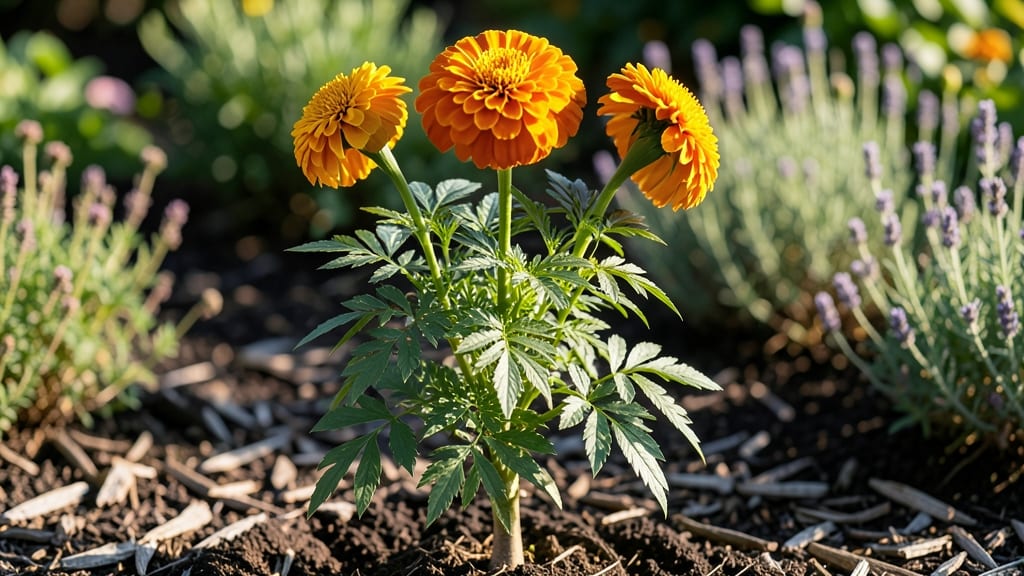
The marigold flower time transforms your garden into a sunlit canvas of orange, yellow, and gold from early summer through fall—but only if you plant them at the right time.
Picture this: you’ve waited all season for your 🌼 to burst into color, only to find them wilting before they even open. That’s the difference between a well-timed planting and one that misses the mark.
In Zone 6a, where frost can sneak up by October, the window to start seeds is tight.
Here’s the secret: staggered plantings every 3-4 weeks after your last frost (around mid-April) ensure continuous blooms. Whether you’re growing French marigolds for their delicate petals or African varieties for their bold stature, the key is matching your planting schedule to your local climate.
In this guide, I’ll walk you through the exact planting times for your zone, how to extend blooms through summer and into fall, and the simple tricks—like deadheading and companion planting—that keep your 🌼 garden vibrant all season long.
Best planting times for marigolds by US hardiness Zone
Marigolds thrive when planted at the right time, but their ideal planting window shifts dramatically depending on your USDA hardiness zone. Whether you're in Zone 3 with early frosts or Zone 11 with year-round warmth, strategic timing ensures vibrant blooms from spring through fall—and sometimes even winter!
For most gardeners, spring planting is the classic approach, but fall planting can extend your marigold season into winter in milder zones. Cold-hardy varieties like French marigolds can even survive light frosts, making them perfect for succession planting strategies that keep your garden colorful year-round.
| USDA Zone | Spring Planting Window | Fall Planting Window | Cold Tolerance | Best Varieties |
|---|---|---|---|---|
| Zones 3-5 | Mid-April to early May (after last frost) | Late August to mid-September (6-8 weeks before first frost) | Tolerates light frost (28°F) | French marigolds, 'Bonanza' series |
| Zones 6-7 | Early April to late May | Late July to early September | Tolerates 25°F with protection | 'Jumbo' African marigolds, 'Tangerine' French |
| Zones 8-9 | February to early June | June to early October | Tolerates 20°F with mulch | Mexican marigolds, 'Gold Rush' |
| Zones 10-11 | Year-round (best in fall/winter) | August to December | Frost-sensitive; plant continuously | 'Signet' marigolds, 'Crackerjack' |
🌼 Pro Tip: For succession planting, sow new seeds every 2-3 weeks from spring through summer to maintain continuous blooms.
In Zones 3-5, where winters are harsh, focus on spring planting after your last frost date, typically between mid-April and early May. French marigolds handle cooler temperatures best, so they're my top recommendation for these regions.
For fall planting, aim for late August to mid-September—this gives seedlings time to establish before winter sets in.
Gardeners in Zones 6-7 enjoy more flexibility. You can plant marigolds as early as early April or stretch your season by sowing fall crops in late July.
African marigolds, with their bold blooms, thrive in these zones and reward you with longer flowering periods when planted in both spring and fall.
For Zones 8-9, marigolds are nearly year-round performers. Start planting in February for early blooms, then continue through early June. Fall plantings in June to October ensure color well into winter.
Mexican marigolds, with their delicate petals, excel in these warmer climates and add a unique texture to your garden.
In Zones 10-11, marigolds grow almost continuously if you plant them at the right times. Since frost is rare, focus on fall and winter plantings from August to December. Varieties like 'Signet' marigolds are perfect for these regions—they bloom prolifically and handle the mild winters beautifully.
To maximize your marigold's flowering time, practice succession planting. Sow a new batch every 2-3 weeks from spring through summer. This ensures you always have fresh blooms and extends your garden's seasonal color from early spring to late fall.
Cold-hardy varieties like French marigolds can even survive light frosts (down to 28°F), making them ideal for late-season plantings. In colder zones, use mulch or row covers to protect young plants and encourage earlier blooms.
For winter interest, plant marigolds near holiday decorations or in containers that can be moved indoors during extreme cold snaps.
Don't forget that African marigolds generally bloom later in the season than French varieties, so they're perfect for summer-long color. By mixing both types in your garden, you can create a staggered bloom schedule that keeps your space vibrant from late spring to frost. 🌼
How to extend marigold blooms through all seasons
Marigolds are nature's showstoppers—bright, cheerful, and packed with pest-repelling superpowers. But their flower time can feel short-lived if you don't plan strategically. With the right techniques, you can enjoy continuous blooms from spring through frost.
The secret lies in staggered planting, smart deadheading, and protecting tender varieties when winter rolls in.
I've transformed my garden from seasonal pops of color to year-round marigold displays using these proven methods. Whether you're in a warm Zone 9 or a cooler Zone 5, these techniques will keep your marigolds performing like clockwork.
Let's dive into the practical steps that actually work in real gardens—not just theory.
- 1 Staggered Planting: Plant marigolds every 3-4 weeks from spring to early summer. This ensures overlapping bloom cycles and no gaps in color.
- 2 Deadheading Daily: Snip off spent blooms with clean shears. This redirects energy to new flowers and extends seasonal bloom time by 30-50%.
- 3 Companion Planting: Pair marigolds with tomatoes, peppers, and herbs. Their scent repels pests, letting both plants thrive longer.
- 4 Winter Protection: For tender varieties, mound soil or mulch 3-4 inches thick around bases. Use frost blankets in Zones 5-7 for surprise spring blooms.
- 5 Fertilizer Trick: Use a low-nitrogen fertilizer (5-10-10) every 6 weeks. High nitrogen = leafy growth, not flower production.
One of my favorite tricks is the staggered planting method. I start with early varieties in late April, then follow with mid-season types in June, and finish with late bloomers in July.
This creates a rolling bloom display that never fades completely. For example, my French marigolds start blooming in June, while African marigolds take over in August—nature's perfect handoff.
Don't underestimate the power of companion planting. I've noticed my marigolds and tomatoes thrive together—fewer pests mean healthier plants that keep blooming longer. Plus, the bright orange flowers make my tomato plants pop even more. It's a win-win for both plants and your garden's aesthetic.
When winter approaches, I protect my tender marigold varieties with thick mulch and frost blankets. Last year, I had French marigolds blooming in March thanks to this simple technique. Even in colder zones, you can extend their flower time with minimal effort.
Remember, marigolds are drought-tolerant once established, but consistent deadheading is non-negotiable. I set a reminder on my phone to check my marigolds every 3 days during peak bloom season. That small habit has extended my seasonal color by nearly two months each year.