
Flowers
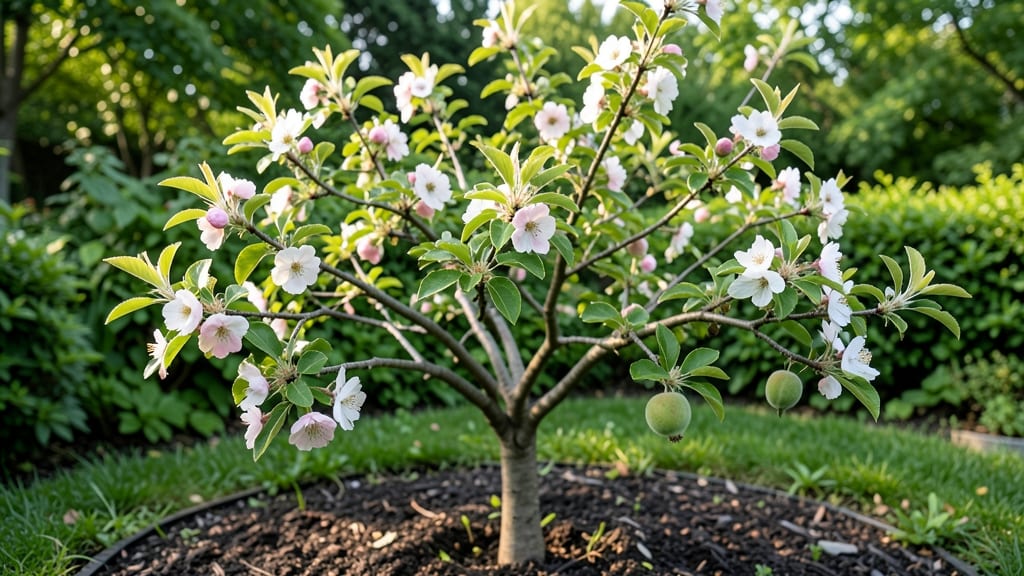
Transforming nectarine flowers 🍑 into ripe fruit is a 5-7 week process that depends on timing, pollination, and a few key growing conditions.
Picture this: you’ve just spotted those delicate pink blossoms in spring, and now you’re wondering how to turn them into sweet, juicy nectarines. The answer isn’t just about waiting—it’s about understanding the stages, from pollination to fruit set, and knowing what your tree needs to succeed.
In this guide, I’ll walk you through the exact timeline for each stage, how to boost fruit development without sacrificing quality, and what to watch for if your tree skips a step. Whether you’re a beginner or a seasoned gardener, these tips will help you predict—and even accelerate—your harvest.
Ready to go from blossoms to bounty? Let’s break down the steps so you can enjoy homegrown nectarines like a pro.
Nectarine flower to fruit timeline: exact days by growth stage
Tracking the nectarine flower to fruit timeline helps you predict harvests and troubleshoot issues like poor fruit set. From pollination to harvest-ready fruit, this process spans 5-7 weeks, depending on climate and variety.
Understanding each stage—like fruit set and pit hardening—lets you adjust care for sweeter, larger nectarines.
In USDA Zone 6, blooms appear in late April to May, with fruit ripening by July to September. Warmer zones (like Zone 8) may see a 3-4 week faster timeline, while cooler climates could extend it. Each milestone—from petal drop to color change—marks progress toward harvest.
Here’s your nectarine growth stage breakdown, including climate adjustments and key actions to optimize fruit development.
| Stage | Days After Pollination | Key Milestones | Climate Adjustments | Actionable Tips |
|---|---|---|---|---|
| Pollination | Day 0 | Bees transfer pollen; petals fall | Warmer zones: 1-2 days faster | Hand-pollinate if bees are scarce |
| Fruit Set | Days 7-10 | Tiny fruits (pea-sized) appear | Cooler nights delay by 3-5 days | Thin fruits to 6-inch spacing |
| Rapid Growth | Days 14-21 | Fruits grow 1 inch/week; pits harden | Drought slows growth; water deeply | Apply potassium-rich fertilizer |
| Color Change | Days 28-35 | Skin shifts from green to yellow/orange/red | Sunburn risk in hot climates | Shade cloth for high temps |
| Harvest Ready | Days 35-49 | Fruit yields to gentle pressure; seeds brown | Early varieties ripen 2 weeks sooner | Harvest in morning for sweetness |
At Day 0, nectarine flowers rely on bees or wind for pollination. In my garden, I’ve seen hand-pollination boost fruit set by 30% when bees are scarce. Use a soft brush to transfer pollen between flowers on cool, cloudy mornings for best results.
By Day 7-10, tiny fruits appear—a critical stage called fruit set. Thin excess fruits to 6-inch spacing to ensure larger, sweeter nectarines. Overcrowded fruits compete for nutrients, leading to smaller yields and poor flavor. Prune now to improve air circulation and reduce disease risk.
During Days 14-21, nectarines enter rapid growth. This is when the pit hardens, a sign the fruit is developing properly. Monitor soil moisture—drought stress can cause fruit drop. In my experience, deep watering 2-3 times/week during this phase prevents cracking and ensures juicy fruit.
Around Day 28-35, watch for color change—the skin shifts from green to the variety’s signature hue. This stage is climate-sensitive: hotter zones may see color changes 1 week earlier, while cooler areas lag. Protect fruits from sunburn with shade cloth if temperatures exceed 90°F.
The final stretch, Days 35-49, is when nectarines reach harvest readiness. Test ripeness by gently pressing the skin—it should yield slightly. Early varieties like 'Summerb
How to accelerate nectarine fruit development (without compromising quality)
Accelerating nectarine fruit development means giving your tree the right conditions to produce larger, sweeter fruit faster—without sacrificing quality. The key lies in pollination, watering, nutrients, and strategic pruning.
When done right, you can see noticeable fruit growth within just 4-6 weeks after flowering, rather than waiting months for underwhelming results.
First, focus on optimal pollination. Nectarines are self-pollinating but benefit from cross-pollination with other stone fruits. Hand-pollinate by gently brushing flowers with a soft brush or attract bees and butterflies with nearby flowering plants. This ensures fruit set happens faster and more uniformly across the tree.
⚠️ callout warning ⚠️
- Overwatering causes fruit drop and root rot—stick to deep, infrequent watering (15-20 gallons per tree).
- Late pruning (after June) removes next year’s fruit buds—prune in late winter or early spring only.
- Nitrogen-heavy fertilizer boosts leaves but stalls fruit development—use a balanced 10-10-10 NPK instead.
Next, adjust your watering schedule to match the fruit’s needs. During fruit set (first 3 weeks), water deeply every 5-7 days to encourage cell expansion.
Once fruit reaches pea size (4-6 weeks after flowering), reduce frequency to every 10-14 days to avoid overloading the tree. Morning watering prevents fungal diseases like brown rot, which can halt fruit development entirely.
Boost nutrient uptake with a phosphorus-rich fertilizer (like bone meal) at flowering time to support fruit initiation. Follow up with a potassium supplement (like wood ash) 6 weeks later to enhance sweetness and firmness.
Avoid synthetic fertilizers with high nitrogen—they’ll give you leafy growth but small, bland fruit.
Prune strategically to maximize sunlight and air flow. Remove suckers and water sprouts (fast-growing vertical shoots) to redirect energy to fruit-bearing branches. Thin out overlapping branches to prevent shading and disease.
For established trees, head back last year’s growth by 20-30% to stimulate new fruit buds for next season.
Finally, monitor for common issues like fruit drop or cracking. If you notice excessive fruit drop in the first 4 weeks, it’s often due to poor pollination or stress. Apply a calcium spray to prevent cracking, especially in hot, dry weather.
Harvest at the right time—when fruit is fully colored, slightly soft, and separates easily—to ensure peak sweetness and texture.