
Flowers
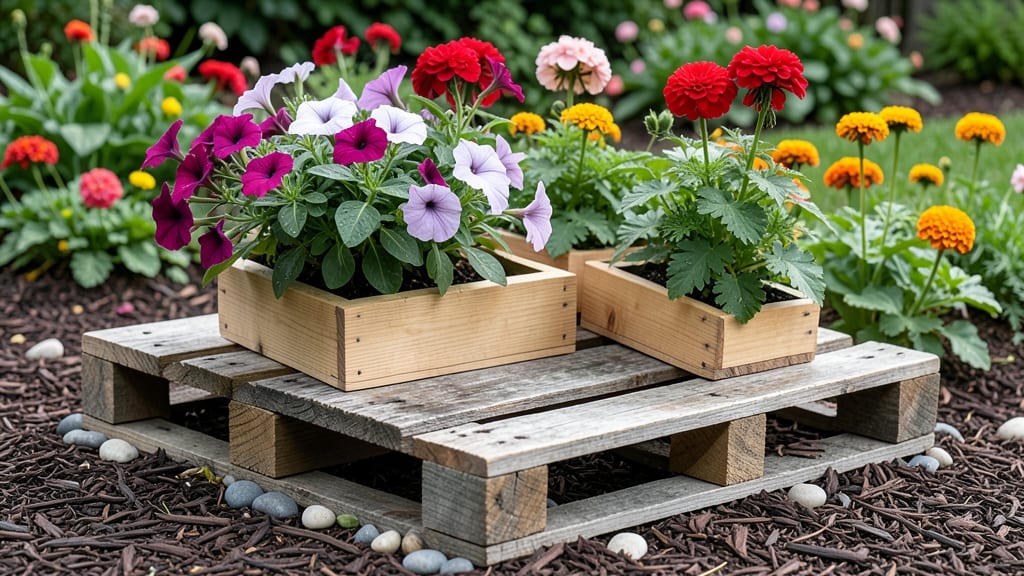
A pallet flower bed turns discarded wood into a thriving garden that saves space and money while adding bold color to any yard.
Picture this: a vertical garden bursting with 🌸 trailing petunias and sunflowers, all built from pallets you’d otherwise toss. No fancy tools or deep pockets required—just creativity and a little elbow grease. This is how small spaces become big statements without breaking the bank.
Whether you’re working with Zone 6a’s short growing season or just love the idea of upcycled decor, pallet flower beds offer endless customization. From drought-resistant succulents to cascading ivy, the right plant pairings turn your pallet into a year-round showstopper.
In this guide, I’ll walk you through easy layouts, plant pairings that thrive together, and maintenance tips to keep your garden looking fresh from spring through fall—no green thumb required.
10 Easy pallet flower bed layouts for every garden style
Repurposing wooden pallets into flower beds is one of my favorite ways to add vertical gardening charm while keeping costs low. Whether you love modern minimalism, rustic farmhouse vibes, or whimsical cottage gardens, pallet beds adapt effortlessly.
The key lies in material prep, plant spacing, and design symmetry—all of which I’ll break down in these 10 layouts.
Before diving in, always weather your pallets for 6+ months to prevent chemical leaching, and line the bottom with landscape fabric to block weeds. For drainage, drill small holes along the sides if your bed sits on soil. Now, let’s explore styles that suit every garden aesthetic!
| Layout Style | Best For | Materials Needed | Plant Pairings | Maintenance |
|---|---|---|---|---|
| Modern Vertical | Urban gardens, small spaces | 2 pallets, screws, paint (optional) | Succulents, petunias, snapdragons | Low (self-watering) |
| Rustic Tiered | Cottage gardens, farmhouses | 3+ pallets stacked, gravel, burlap | Lavender, cosmos, black-eyed Susans | Medium (mulch needed) |
| Hanging Pallet | Patios, balconies, porches | 1 pallet, sturdy hooks, coconut coir | Trailing nasturtiums, ferns, ivy | High (frequent watering) |
| Butterfly Garden | Pollinator-friendly spaces | 1 pallet, nectar-rich plants | Milkweed, bee balm, coneflowers | Low (native plants thrive) |
| Mini Greenhouse | Cold climates, seed starting | 1 pallet, clear plastic sheet | Herbs, lettuce, strawberries | Medium (ventilation needed) |
For a modern vertical design, stack two pallets side-by-side and fill the gaps with succulents or petunias for a clean, structured look. Paint the wood a bold color like sage green or charcoal to elevate the aesthetic.
My favorite combo here is echeveria in the top tier and trailing lobelia in the bottom—it creates a cascading effect that’s impossible to ignore.
If you’re aiming for rustic charm, go for a tiered pallet garden with three levels. Use gravel at the base for drainage and burlap to add texture. Plant lavender in the top tier (it loves height), cosmos in the middle, and black-eyed Susans at the bottom.
This layout works beautifully against a wooden fence or stone pathway for that classic farmhouse feel.
Don’t have outdoor space? A hanging pallet garden is your answer. Suspend a single pallet from a porch roof or deck railing using heavy-duty straps. Fill it with trailing nasturtiums, ferns, and ivy for a lush, green curtain.
Pro tip: Add coconut coir to retain moisture—these beds dry out 3x faster than ground-level options.
For pollinator lovers, dedicate a pallet to a butterfly garden. Plant milkweed (essential for monarchs), bee balm, and coneflowers in a sun-drenched spot.
The vertical structure makes it easy for butterflies to access nectar without competing with ground plants. I’ve seen 20+ butterflies visit mine in a single afternoon!
In cooler climates, transform a pallet into a mini greenhouse. Cover the top with clear plastic sheeting and secure it with rope. Inside, grow herbs, lettuce, or strawberries—they’ll thrive in the protected microclimate. Just remember to ventilate daily to prevent mold, especially on humid mornings.
Spacing is critical for pallet gardens. Annuals like petunias need 6–12 inches apart, while perennials such as lavender can stretch to 18 inches. Overcrowding leads to fungal issues and poor airflow, so always check plant tags for mature sizes.
I like to sketch a simple grid on paper before planting to visualize the layout.
To keep your pallet bed low-maintenance, mulch with straw or pine needles to suppress weeds and retain moisture. Water in the early morning to reduce evaporation, and fertilize every 4–6 weeks with a balanced 10-10-10 mix.
My pallet gardens stay vibrant all season with minimal effort—once you get the hang of it, it’s truly a set-and-forget system.
Ready to start? Grab a pallet, some plants, and let your creativity bloom! Whether you’re a begin
Best flowers and plants for pallet gardens (by season and color)
Choosing the right flowers and plants for your pallet flower bed ensures vibrant displays year-round while keeping maintenance simple. Pallet gardens thrive with drought-resistant varieties and trailing plants that spill over edges, creating a lush, cascading effect.
I’ve curated seasonal picks that flourish in the unique conditions of pallet beds—well-draining soil and vertical space—while requiring minimal fuss.
For spring blooms, opt for petunias and pansies, which tolerate cooler temperatures and brighten early gardens. Summer calls for zinnias and marigolds, both sun-loving and pollinator-friendly.
Fall favorites like mums and sedum add color until frost, while winter greens such as heuchera or ornamental kale provide structure during colder months.
Here’s a quick guide to seasonal pallet garden plants by color and care needs:
Trailing plants like nasturtiums or sweet potatoes are perfect for pallet edges, spilling over to create a romantic, layered look. For low-maintenance perennials, try lavender or salvia, which thrive in dry conditions and repel pests naturally.
Always pair plants with similar water and sun needs to simplify care.
Pro tip: Use self-watering pallet designs with reservoirs at the bottom to reduce watering frequency. Group plants by height—tall sunflowers or hollyhocks at the back, medium zinnias in the middle, and trailing petunias at the front—for a polished, professional look.
Rotate seasonal plants annually to keep your pallet garden fresh and exciting.
With the right plant combinations, your pallet flower bed will be the star of your garden, offering color, texture, and year-round interest with minimal effort. Happy planting! 🌸