
Flowers
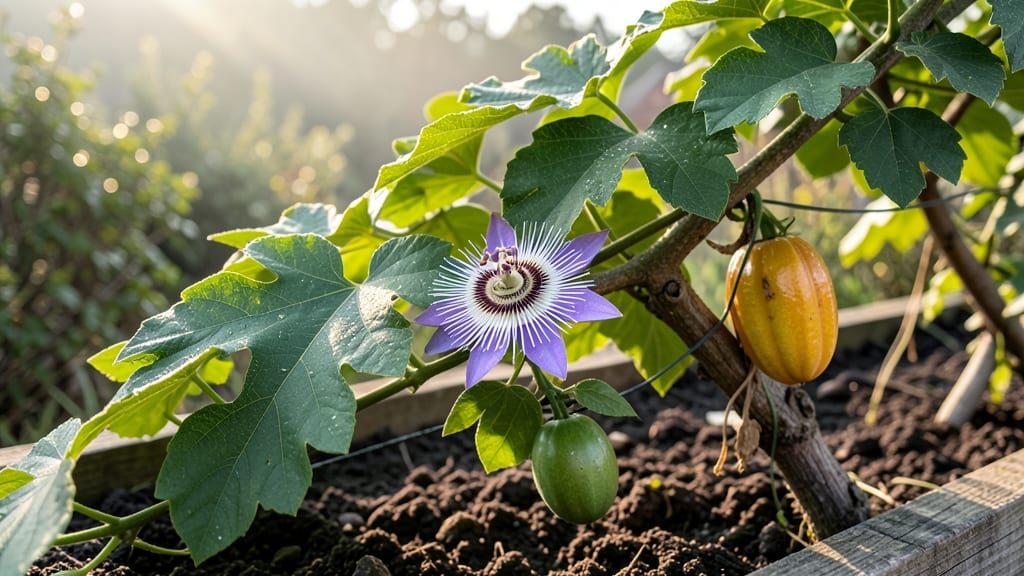
Transforming a passion fruit flower into a ripe, vibrant fruit 🍈 is a thrilling journey packed with surprises—if you know what to watch for at each stage.
Picture this: a single delicate bloom unfurls into a bright, fragrant flower, only to vanish within days unless you act fast. Miss the 24-hour pollination window, and you could end up with empty vines instead of juicy harvests.
That’s why understanding the week-by-week changes—from fruit set to harvest—is the key to success.
In this guide, I’ll walk you through every step, from spotting the perfect moment to pollinate to recognizing when your passion fruit is ready to pick.
You’ll learn how to troubleshoot common issues like fruit drop and adjust care as the seasons shift, so you can go from curious gardener to confident passion fruit pro.
Whether you’re growing purple or yellow varieties, by the end, you’ll know exactly what to expect—and how to keep your vine producing fruit all year round.
Passion fruit flowering stages: identifying key signs for successful pollination
Understanding the passion fruit flowering stages is the first step to ensuring a bountiful harvest. These tropical vines produce stunning, intricate flowers that bloom for just 24-48 hours, making timing crucial. Miss this window, and you might lose potential fruit.
The journey from bud to bloom involves distinct color changes, scent shifts, and physical transformations—each signaling a critical phase in the pollination process.
First, you’ll spot the flower buds as small, green, oval-shaped growths along your vine. These buds typically appear in clusters and grow rapidly over 3-5 days before opening. Pay close attention, as they’re easy to overlook among the vine’s lush foliage.
The buds will swell slightly, and their tips may turn a pale cream or pinkish hue just before blooming.
Once the buds open, you’ll see the iconic passion fruit flower with its purple and white petals (or yellow, depending on the variety). This is your 24-48 hour pollination window.
The flower’s center contains both male and female reproductive parts, but hand-pollination often boosts fruit set, especially in greenhouses or indoor setups where natural pollinators like hummingbirds are absent.
| Stage | Visual Cues | Duration | Action Required |
|---|---|---|---|
| Bud Formation | Small green ovals along vine | 3-5 days | Monitor for swelling |
| Pre-Bloom | Bud tips turn cream/pink | 12-24 hours | Prepare for pollination |
| Full Bloom | Purple/white/yellow petals | 24-48 hours | Pollinate by hand (if needed) |
| Post-Pollination | Petals wilt, ovary swells | 2-3 days | Remove wilted flowers |
| Fruit Set | Small green fruit forms | 7-10 days | Support vine, reduce stress |
The critical 24-48 hour window begins when the flower fully unfurls. During this time, the flower emits a sweet, musky scent to attract pollinators. If you’re growing passion fruit indoors or in a greenhouse, you’ll need to hand-pollinate using a small brush or cotton swab.
Gently transfer pollen from the male anthers (the yellow structures) to the female stigma (the central cone). Repeat this process for 3 consecutive days to maximize fruit set.
After pollination, the petals will begin to wilt and drop within 2-3 days, leaving behind a small, round green ovary. This marks the transition from flower to fruit. The ovary will swell and develop into the familiar passion fruit shape over the next 7-10 days.
Keep an eye out for any flowers that fail to set fruit—this could indicate poor pollination, stress, or environmental factors like low humidity or temperature fluctuations.
For greenhouse growers, maintaining 70-80% humidity and temperatures between 65-85°F can significantly improve fruit set. If your passion fruit vine is struggling to pollinate naturally, consider introducing hummingbird feeders near your greenhouse or releasing a few native bees to boost pollination rates.
Even a small increase in pollinator activity can lead to more consistent fruiting.
One common mistake is assuming all flowers will set fruit. In reality, only about 30-50% of pollinated flowers will develop into mature fruit. This is normal, but you can improve your odds by pruning excess flowers early in the season.
This directs the vine’s energy toward fewer, healthier fruits, resulting in larger, juicier passion fruits at harvest time.
As the fruit begins to form, you’ll notice the green ovary turning slightly larger and more defined. This is the perfect time to reduce stress on the vine by ensuring it has adequate water and nutrients.
Over-fertilizing at this stage can lead to excessive foliage growth at the expense of fruit development, so stick to a balanced fertilizer with higher phosphorus to support fruiting.
Finally, remember that passion fruit flowers are highly sensitive to their environment. Avoid spraying water directly on the flowers, as this can disrupt pollination. Instead, water the base of the vine deeply in the morning to keep
Week-by-week passion fruit growth timeline: what to expect after pollination
Once your passion fruit flowers have been successfully pollinated—whether by hummingbirds, bees, or your own hand—you’ll start noticing tiny changes that signal the beginning of fruit development. This transformation takes 12-16 weeks from pollination to harvest, with distinct milestones each week that reveal whether your fruit is thriving or struggling.
Understanding these stages helps you adjust care and troubleshoot issues early, like fruit drop or pest attacks.
The journey from flower to fruit is especially fascinating when comparing purple passion fruit (like 'Panama Red') and yellow passion fruit (like 'Golden Passion'). While both follow the same growth pattern, purple varieties often mature slightly faster and develop deeper color intensity.
Yellow varieties, however, tend to have a slightly longer ripening window but produce fruits with thicker, more aromatic skins. Let’s break down what to expect week by week.
Tiny pea-sized fruits (0.25 inch) appear, still green. Flowers may wilt and drop. Purple varieties show slight purple tinges; yellows stay uniformly green.
Fruits grow to 1-2 inches. Purple skins deepen; yellows lighten to pale green. Prune nearby leaves to improve airflow and reduce fruit rot risks.
Purple fruits turn deep violet; yellows turn bright yellow-green. Fruits reach 2-3 inches. Watch for passion fruit woodiness disease (brown spots).
Fruits plump to 3-4 inches. Purple skins darken; yellows turn golden. Reduce water slightly to concentrate sugars and prevent splitting.
Fruits reach 4-6 inches and yield slightly when pressed. Purple fruits may show red blushes; yellows turn deep golden. Harvest within 24 hours of full color.
Fruit drop can occur in weeks 2-4 due to poor pollination or nutrient deficiency. Pests like passion vine hoppers may appear in weeks 5-8. Prune aggressively to prevent fungal spread.
During these early weeks, nutrient management is critical. I always apply a balanced fertilizer (5-10-10) every 4-6 weeks to support fruit development, especially during weeks 3-6 when growth accelerates.
Purple passion fruits, like 'Panama Red', may benefit from a slightly higher phosphorus boost to enhance color intensity, while yellow varieties like 'Golden Passion' respond well to potassium to improve skin thickness.
One of the most common mistakes I see is overwatering during the final maturation stages (weeks 7-12). Too much moisture can dilute flavors and cause fruits to split. Instead, I water deeply in the morning only, ensuring the soil dries slightly between waterings.
This approach helps the fruit concentrate its sugars and develop that signature tropical sweetness. Yellow passion fruits, in particular, benefit from this dry-down period to achieve their signature aromatic profile.
By week 9, your passion fruits should be nearly ready for harvest, but don’t rush it! Wait until the fruit detaches easily from the vine and shows those unmistakable color cues—deep purple with red blushes for purple varieties or vibrant golden-yellow for yellow types.
At this stage, the fruit’s aroma becomes intoxicating, and you’ll know it’s time to pick. Store harvested fruits in a cool, dry place for up to two weeks, or enjoy them fresh within a few days for the best flavor.
Understanding this timeline not only helps you anticipate harvests but also lets you troubleshoot issues early. For example, if your fruits drop before week 4, it might signal poor pollination or nutrient deficiency. If they develop brown spots in weeks 5-8, fungal diseases could be the culprit.
By recognizing these signs early, you can adjust your care routine and ensure a bountiful harvest of these tropical delights.