
Flowers
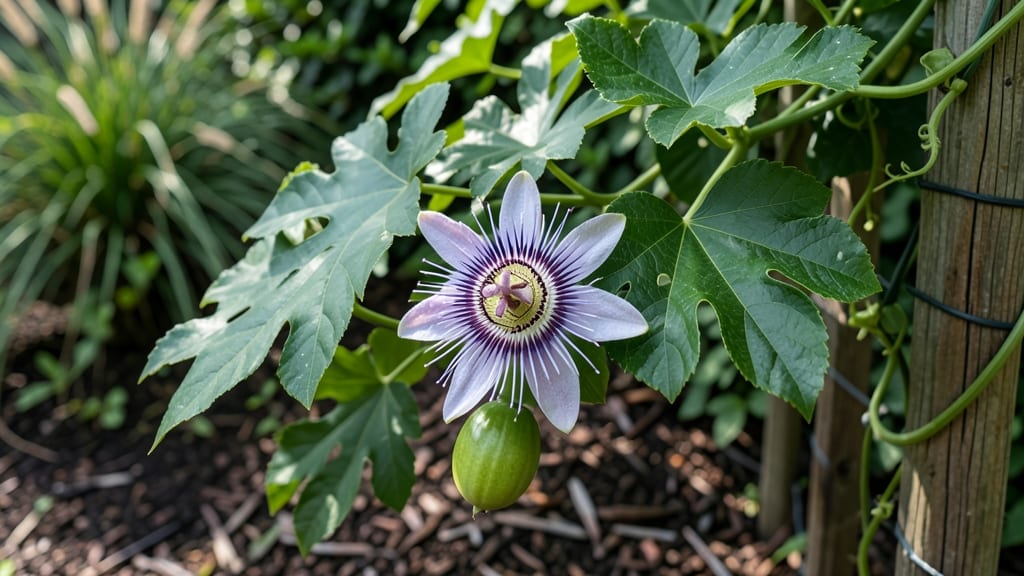
Turning passionfruit flowers into fruit depends on one critical step: pollination, where tiny details make all the difference between a bountiful harvest and empty vines.
If you’ve ever watched your 🍈 passionfruit blooms fade without a single fruit forming, you’re not alone. The issue isn’t always the flowers themselves—it’s how (and whether) they’re being pollinated. Without the right conditions or a little help from you, those delicate blossoms simply won’t set fruit.
In this guide, I’ll break down the exact process passionfruit plants use to go from flower to fruit, including when to step in for manual pollination, how to spot the signs of success, and the hidden factors like temperature and humidity that can make or break your yield.
By the end, you’ll know how to boost your fruit set to 80% or higher, troubleshoot common failures, and keep your passionfruit vines producing like a pro—no guesswork required.
How passionfruit flowers pollinate naturally (and when to help)
Passionfruit flowers are fascinating structures with a complex anatomy designed for pollination success. Unlike many flowers, they have separate male and female parts that must interact for fertilization to occur.
The corona (crown-like petals) attracts pollinators while the five stamens produce pollen that must reach the single stigma at the flower's center.
Understanding this process helps you identify pollination issues early. If your passionfruit vines bloom but few fruits develop, it’s often a pollination failure rather than a soil or water problem. The good news? You can boost fruit set by learning the natural pollination cycle and when to intervene.
Passionfruit flowers rely on two primary pollinators: bees and hummingbirds. Bees, especially native species, are the most efficient pollinators for passiflora edulis (purple passionfruit), while hummingbirds excel with Passiflora ligularis (giant granadilla). Each pollinator has a preferred flower structure and timing, which we’ll break down in the comparison below.
Here’s the key: Natural pollination happens when pollen from the five stamens lands on the stigma within 24-48 hours of flowering. After successful pollination, you’ll notice the stigma swells slightly and the ovary begins developing into a fruit. If this doesn’t happen, the flower may drop off without fruiting.
If you’re in a low-pollinator area, like urban gardens or regions with few native bees, you’ll need to supplement pollination. Start by identifying receptive flowers: they’ll have fully opened coronas and exposed stamens.
The stigma (a tiny cone in the flower’s center) should be slightly sticky—this is your cue that it’s ready for pollen.
Watch for environmental stressors that disrupt pollination. High winds can blow pollen away, while extreme heat (above 90°F) may cause flowers to wilt before pollinators arrive.
In my Zone 9b garden, I’ve found that shading vines slightly during peak afternoon heat improves flower longevity and attracts more hummingbirds.
One of the most common mistakes is assuming that more flowers always mean more fruit. Passionfruit vines often overproduce flowers but drop them early due to nutrient competition or poor pollination.
To fix this, prune back excess flowers (leave only 10-15 per vine) and focus on supporting the remaining ones with proper pollination.
Successful pollination isn’t just about fruit formation—it’s also about fruit quality. Poorly pollinated fruits may develop unevenly, leading to small, seedy, or misshapen passionfruits.
By mastering the natural pollination process and knowing when to intervene manually, you’ll ensure your vines produce plump, flavorful fruits with minimal effort.
Next, we’ll dive into a step-by-step manual pollination guide to help you achieve an 80% fruit set rate, even in pollinator-challenged areas. You’ll learn the best tools, timing tricks
Step-by-step manual pollination guide for 80% fruit success
If your passionfruit vines are blooming but producing few fruits, manual pollination could be your game-changer. Passionfruit flowers are self-pollinating but often need a helping hand—especially in low-bee areas or during cool weather when pollinators are sluggish.
With the right technique, you can boost your fruit set by 80% and enjoy a bountiful harvest.
Before diving in, identify receptive flowers. Look for blooms with open corollas and sticky stigmas (the cone-shaped center). These flowers are ready for pollination, usually appearing in the morning after dew has evaporated. Avoid flowers that are already wilting—they’ve missed their window.
-
Step 1: Choose the Right Time
Pollinate between 8 AM and 10 AM on dry, sunny days. Dewy mornings can spread disease, while midday heat may stress flowers. -
Step 2: Gather Your Tools
Use a soft paintbrush or cotton swab. Avoid fingers—they can damage delicate stamens and stigmas. -
Step 3: Identify Male and Female Parts
The stamens (male) are the yellow filaments surrounding the stigma. The stigma (female) is the greenish cone in the center. -
Step 4: Transfer Pollen
Gently brush the paintbrush against the stamens to collect pollen, then stroke the stigma 2-3 times. Repeat for 5-10 flowers per vine to maximize yield. -
Step 5: Monitor for Success
Within 24-48 hours, the stigma should swell slightly and turn white or pale green. If it stays dry and brown, pollination failed—try again. -
Step 6: Support Fruit Development
After pollination, reduce watering slightly and avoid heavy pruning for 4-6 weeks. Stress can cause flower drop and wasted effort.
Avoid these common mistakes that sabotage fruit set: Pollinating closed flowers (they won’t accept pollen), using dirty tools (spreads disease), or working in humid afternoons (encourages fungal growth). Also, don’t overdo it—pollinating every flower weakens the vine and reduces overall yield.
Consistency is key. Dedicate 10 minutes daily during peak bloom to manual pollination, and you’ll see fruits forming within weeks. Track your progress by marking pollinated flowers with a soft ribbon—you’ll be amazed at how quickly those tiny blooms transform into juicy passionfruits.
For best results, combine manual pollination with balanced fertilization (high in potassium) and regular pruning to improve airflow. With these steps, your passionfruit harvest will be the envy of the neighborhood! 🍈