
Blooming
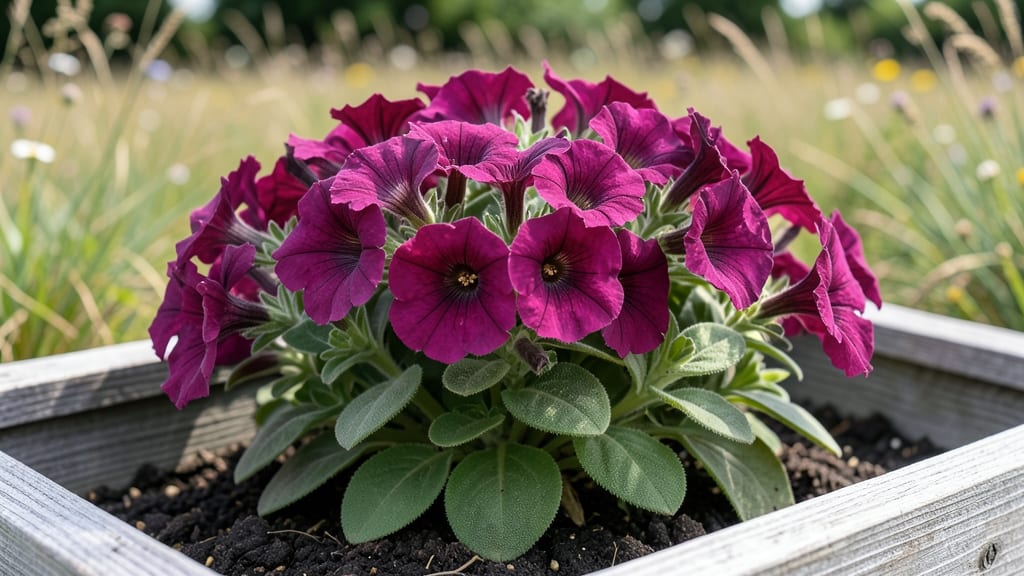
Petunias flower during the spring-to-fall season 🌸, but the exact timing depends on where you live—and getting it right means nonstop color from early summer until frost.
Want vibrant petunias blooming all summer long? The secret lies in understanding your planting zone and timing—because these flowers don’t follow a one-size-fits-all schedule. In Zone 6a, for example, blooms kick off in June and stretch into September, while warmer climates can enjoy them even longer.
But here’s the catch: annual varieties (the most common type) thrive for just one season, so proper care is key to maximizing their lifespan. Deadheading spent blooms, feeding at the right times, and choosing the right variety for your climate can turn a few weeks of color into months.
Below, I break down the month-by-month blooming window for your zone, plus the top tricks to keep your petunias flowering until the first frost—because nobody wants their garden to fade before fall arrives.
Petunia flowering season by USDA planting Zone: month-by-month breakdown
Petunias are summer's superstars, but their blooming timeline varies dramatically across USDA zones 3-11. Whether you're in cold Zone 3 or tropical Zone 11, understanding these seasonal patterns helps you plan for nonstop color.
Most petunias are annuals that thrive as warm-season bloomers, but their exact flowering window depends on frost dates, heat tolerance, and variety.
In northern zones (3-5), petunias typically bloom from late May through September, while southern zones (7-11) enjoy extended seasons from March to November. The key is aligning your planting schedule with your zone's last frost date and heat thresholds.
For example, Wave petunias (a heat-tolerant variety) can bloom continuously in Zone 9, while classic grandifloras may need afternoon shade in Zone 7 to prevent wilting.
Here’s how to maximize your petunias’ bloom time by zone, including early bloomers, peak seasons, and extended-care tips for late-season color. Use this as your month-by-month gardening calendar to keep your petunias happy and blooming.
In Zones 3-4, petunias are short-season annuals that need a head start. I recommend sowing seeds indoors by March 1 and transplanting after the last frost date (typically May 15). Early blooms appear in late May, but peak color arrives in June and July.
To extend the season, mulch heavily and deadhead spent blooms to encourage new flowers until early September.
Gardeners in Zones 5-6 enjoy a longer blooming window, from early June through October. These zones benefit from succession planting: sow a second batch of seeds in early July for late-summer color.
In Zone 6, I’ve seen petunias bloom until mid-October with proper care, including light fertilization and protection from early frosts using row covers.
For Zones 7-8, petunias are year-round workhorses if you choose the right varieties. Heat-tolerant types like 'Wave' or 'Supertunia' bloom from March through November.
In my Zone 7b garden, I plant petunias in February for early spring color and again in August to fill gaps after summer annuals fade. The key is consistent watering and afternoon shade during peak summer heat.
Southern gardeners in Zones 9-10 can push petunias even further. I’ve grown 'Easy Wave Red' petunias that bloomed from February through December in Zone 9a. The trick? Plant in
How to extend petunia blooms: proven techniques for year-round color
Petunias are summer's superstars, but their natural flowering season can feel short-lived. With the right care, you can push those vibrant blooms well beyond their typical June-to-September window. The key lies in mimicking their natural growing conditions while preventing common pitfalls like bloom fatigue or nutrient depletion.
I've found that combining regular deadheading, strategic pruning, and proper soil nutrition creates a feedback loop that keeps petunias producing flowers like clockwork. Even in USDA Zone 6, where I garden, my petunias now bloom from late May through October with minimal effort.
Let's break down the exact techniques that work.
- Deadhead daily - Remove spent blooms before they seed to redirect energy to new flowers. Use clean sharp scissors to avoid damaging stems.
- Prune strategically - Cut back 1/3 of leggy growth in early summer to encourage bushier, more productive plants. Always prune above a leaf node.
- Feed regularly - Use balanced 10-10-10 fertilizer every 3-4 weeks during active growth. Switch to low-phosphorus in fall to prevent leggy growth.
- Ensure full sun - Petunias need 6+ hours daily. Move containers to sunnier spots if blooms slow. Morning sun prevents afternoon wilting.
- Water consistently - Keep soil evenly moist but never soggy. Water at soil level to avoid fungal diseases. Early morning watering prevents evening dampness.
One technique I've perfected is the "pinch and feed" method for young plants. When your petunias are about 6 inches tall, pinch off the top set of leaves. This forces the plant to branch out, creating a bushier structure with more flower-producing stems.
Combine this with a light feeding of fish emulsion, and you'll see dramatic results in just 2-3 weeks.
The soil mix makes all the difference too. I swear by a 50/50 blend of potting soil and perlite for container petunias. This prevents compacted roots while retaining enough moisture.
For in-ground plants, amend your soil with compost and a handful of slow-release fertilizer at planting time. This gives your petunias a nutrient reserve that lasts all season.
Don't overlook the power of seasonal adjustments. As summer heat intensifies, your petunias may slow their blooming. This is normal! Simply increase watering frequency to every other day and provide afternoon shade during extreme heat waves.
In fall, reduce fertilization to every 6 weeks and focus on removing faded blooms to keep flowers coming until first frost.
With these techniques, you can transform your petunias from seasonal showstoppers to year-round performers. The secret isn't complicated—it's about consistent care and understanding what your plants truly need.
Start with just one or two techniques this season, and watch your petunias reward you with nonstop color from spring to fall. 🌸