
Flowers
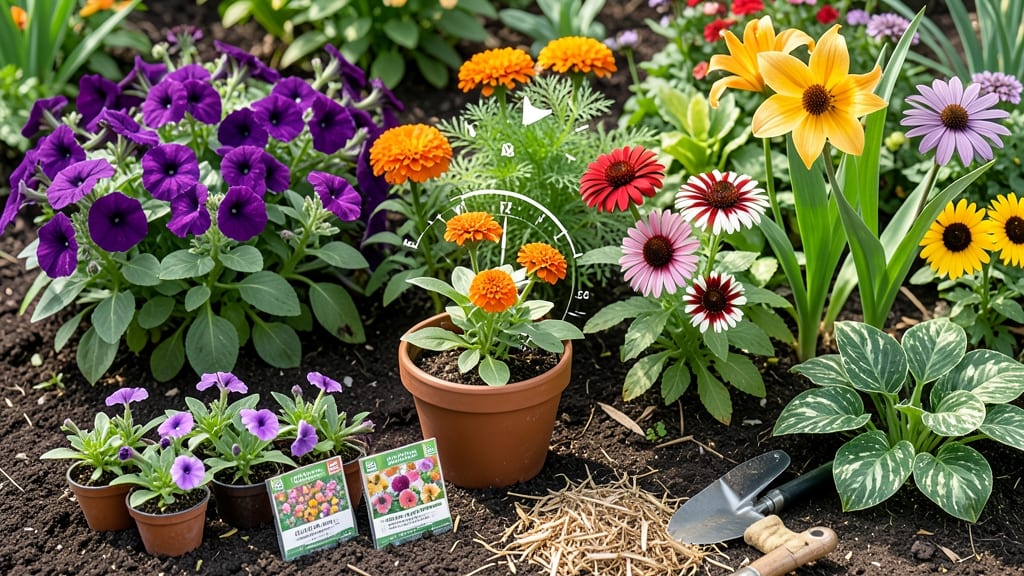
Planting flowers in New York at the right time ensures vibrant blooms all season long 🌸 — timing is everything, especially with frost dates shifting from the Adirondacks to Long Island.
Timing is everything in gardening, especially in New York’s unpredictable climate—plant too early, and frost will kill your blooms; too late, and you’ll miss the full growing season. Mastering the perfect planting window ensures vibrant flowers from spring to fall, no matter which zone of New York you’re in.
Spring planting kicks off after the last frost, typically mid-April to early May, while fall offers a second chance to get perennials in the ground 4-6 weeks before the first frost.
Whether you’re in USDA Zone 5a or 7b, knowing these dates means fewer dead plants and more color in your garden.
Below, I break down the best flowers to plant by season, zone-specific frost dates, and pro tips to extend your blooms—so you can enjoy peak season from May through October without the guesswork.
New York planting zones explained: when to start flowers by region
New York’s diverse climate spans USDA zones 3-8, creating unique planting windows for every gardener. Whether you're in the Adirondacks (zone 4), NYC (zone 7), or Long Island (zone 8), understanding your zone’s frost dates is key to successful flower gardening.
I’ll break down the last and first frost dates by region, so you can plant annuals, perennials, and bulbs at the perfect time.
Spring planting typically begins 4-6 weeks after your last frost date, while fall planting should happen 4-6 weeks before the first frost. In New York, this means late April to early June for spring and August to early October for fall.
Each region has slight variations, so let’s dive into the specifics to ensure your flowers thrive.
🌱 Here’s a quick reference for New York’s planting zones:
In the Adirondacks (zone 4-5), where frosts linger longer, I recommend waiting until late May to plant frost-sensitive annuals like petunias or marigolds. Meanwhile, perennials like coneflowers can handle cooler temps and can be planted as early as early May.
For fall planting, aim to get seeds in the ground by mid-September to ensure they establish roots before winter.
If you're in NYC or the Hudson Valley (zone 6-7), you’ve got a longer growing season. Start annuals like zinnias or cosmos as early as late April after the last frost, but be prepared to cover them if a late frost hits.
For fall planting, focus on cool-season flowers like pansies or snapdragons between early August and late September. These varieties thrive in cooler temps and can even bloom through light frosts.
For Long Island gardeners (zone 7-8), your extended season means you can start planting annuals like geraniums or impatiens as early as early April. However, I always recommend checking the 10-day forecast for late frosts, especially in coastal areas where temps can drop unexpectedly.
Fall planting here can stretch into early October, giving you time for a second round of fall-blooming perennials like asters or chrysanthemums.
No matter your zone, soil temperature is just as critical as air temperature. Use a soil thermometer to ensure it’s at least 60°F (15°C) before planting seeds or seedlings.
In cooler zones, you can extend your season by using row covers or cold frames to protect tender plants. For bulbs like tulips or daffodils
Best flowers to plant by season in New York (with exact dates)
New York’s diverse climate zones (USDA 5a-7b) mean your flower planting schedule should adapt to last frost dates and first frost warnings. Whether you’re growing hardy perennials like coneflowers or frost-sensitive annuals like petunias, timing is critical for vibrant blooms.
Let’s break down the best flowers to plant each season, along with exact dates for New York’s spring and fall planting windows.
Spring is ideal for cool-season annuals and perennial transplants, while fall offers a second chance for bulbs and late-blooming varieties. In USDA Zone 6 (most of NY), aim for mid-April to early May for spring planting and September to early October for fall.
Adjust dates 1-2 weeks earlier for Zone 5 and 1-2 weeks later for Zone 7.
🌱 Seasonal Planting Timeline for New York
- March-April: Start indoor seeds (petunias, snapdragons) 6-8 weeks before last frost.
- Mid-April to early May: Plant cool-season annuals (pansies, violas) and hardy perennials (coneflowers, black-eyed Susans).
- May to June: Transplant warm-season annuals (marigolds, zinnias) after soil reaches 60°F.
- July-August: Direct-sow fast-growing annuals (cosmos, sunflowers) for late-season color.
- September: Plant fall-blooming bulbs (daffodils, tulips) and cool-season perennials (asters, chrysanthemums).
- October (early): Sow winter-hardy annuals (pansies, sweet alyssum) 4-6 weeks before first frost.
For perennials like coneflowers, spring planting (April-May) gives roots time to establish before summer heat. Black-eyed Susans thrive when transplanted in early spring or fall, avoiding the stress of summer planting. Bulbs like tulips should go into the ground in fall (October), while daffodils can handle late fall planting (November) in Zone 6.
Annuals like petunias and marigolds are frost-sensitive, so wait until after the last frost (typically mid-May in most of NY) to transplant them. Sunflowers and cosmos can be direct-sown in late May for summer blooms, while zinnias benefit from early summer transplanting (June) to avoid bolting.
Fall planting isn’t just for bulbs—cool-season annuals like pansies and snapdragons thrive when sown in September.
These winter-hardy flowers will bloom until first frost, extending your season. Perennials like asters also appreciate fall planting, as it gives them a head start on root growth before winter dormancy.
Pro tip: Use row covers or cold frames to protect early spring plantings from late frosts, which can occur as late as early June in Zone 5. For fall plantings, aim to finish by mid-October to allow roots to establish before ground freezes.