
Blooming
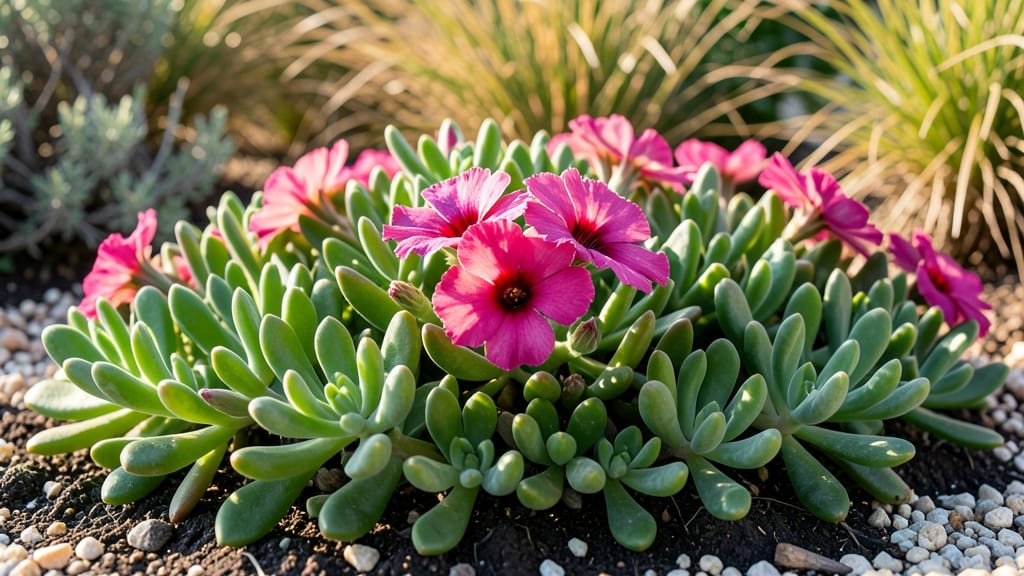
The portulaca flower season transforms even the hottest, driest corners of your garden into a riot of color 🌸. If you love vibrant, sun-kissed blooms that thrive in heat and drought, portulaca flowers are nature’s answer—bursting into color from spring to frost.
But when exactly do they bloom, and how can you coax them into year-round displays?
In USDA Zone 6, these sun-loving annuals typically kick off their show in June, peaking through July and August before tapering off as temperatures drop.
Yet with the right care—like deadheading spent blooms and ensuring full sun exposure—you can stretch their season well into September or even October.
Below, I’ll break down the month-by-month blooming timeline, regional tweaks for your climate, and the simple care tricks to keep your Portulaca 🌸 in full, cheerful bloom for as long as possible.
Portulaca flower season: month-by-month blooming timeline for climates
Portulaca, or moss rose, is one of nature’s most resilient sun-lovers, thriving where other flowers wilt. In temperate climates like USDA Zones 6-10, their blooms kick off in late spring and stretch into early frost, often lasting until October or November.
But in tropical or desert regions, they can bloom year-round with the right care—making them a gardener’s dream for heat-loving displays.
Understanding your climate’s month-by-month timeline helps you time plantings for maximum impact. Whether you’re in humid summers or arid deserts, portulaca adapts, but timing deadheading, fertilizing, and watering can push blooms into extra months.
Let’s break down when to expect those vibrant blooms and how to extend their season.
In temperate zones, portulaca’s blooming season starts as early as April in warm microclimates, but most gardeners see their first color pops in May. The peak season spans June through August, when bright pinks, yellows, and oranges dominate gardens.
By September, blooms may slow as temperatures drop, but a final flush often occurs before frost.
For tropical climates, portulaca is a year-round performer if given consistent heat and well-draining soil. In places like Florida or Hawaii, you’ll see continuous blooms with minimal care, making them ideal for container gardens or hanging
How to grow portulaca flowers year-round: sunlight, soil, and care tips
Portulaca flowers, also called moss roses, are the ultimate heat-loving annuals that reward gardeners with non-stop blooms from late spring until frost. The secret to their year-round potential lies in understanding their sunlight cravings, drought-tolerant soil, and minimal care requirements.
Unlike finicky flowers, portulaca thrives on neglect—just give it full sun exposure and well-draining soil, and it’ll reward you with colorful displays that outshine most summer bloomers.
I’ve grown portulaca in rock gardens, container pots, and even as spiller plants in hanging baskets, and here’s my proven formula: 6+ hours of daily sun, sandy or gravelly soil, and sparse watering.
These succulent-like plants store water in their leaves, making them perfect for xeriscaping or low-maintenance gardens. With the right approach, you can extend their blooming season well beyond the typical summer months—even into early fall in mild climates.
🌞 Portulaca Care Essentials: 5 Key Steps for Non-Stop Blooms
- 1. Sunlight: Plant in full sun (6+ hours/day)—no shade tolerance! South-facing spots or containers near windows work best.
- 2. Soil: Use fast-draining mixes (sand, gravel, or cactus soil). Avoid heavy clay—it causes root rot.
- 3. Watering: Water deeply but infrequently (every 2-3 days in heat). Let soil dry completely between waterings.
- 4. Pruning: Deadhead spent blooms weekly to encourage new flowers. Snip stems just above leaf nodes.
- 5. Fertilizing: Feed lightly (5-10-10) every 4-6 weeks in summer. Skip in spring/fall.
Let’s start with sunlight, the most critical factor for portulaca’s vibrant blooms. These flowers are sun worshippers, and even partial shade can lead to leggy growth and fewer flowers. I once planted portulaca under a dappled oak tree—big mistake! The blooms were sparse and pale.
Since then, I’ve made sure every portulaca gets 6+ hours of direct sun, ideally from morning to afternoon. If you’re growing them in containers, place them on a south-facing patio or balcony where they’ll soak up the rays.
Next up is soil, where portulaca’s succulent-like roots shine. These plants hate soggy soil—their roots rot quickly in compacted or waterlogged conditions. My go-to mix is 50% potting soil + 50% perlite or coarse sand.
For in-ground plantings, amend heavy soil with builder’s sand or gravel to improve drainage. Pro tip: If your soil is unknown quality, do a simple test—dig a hole, fill it with water, and time how long it drains. If it takes more than 30 minutes, add amendment.
Watering portulaca is where many gardeners go wrong—overwatering kills them faster than drought. These plants are drought-tolerant champions, storing water in their thick, fleshy leaves. My rule?
Water deeply but infrequently: soak the soil until water runs out the bottom of the pot (or drains 6 inches deep in-ground), then wait until the top 1-2 inches are dry before watering again.
In summer heat, this might mean every 2-3 days; in fall/winter, stretch it to once a week. Always water in the early morning to prevent fungal issues.
To keep portulaca blooming continuously, deadheading is your best friend. Every 7-10 days, snip off spent flowers with clean pruning shears—this redirects the plant’s energy to producing new blooms instead of seeds.
I like to do this on a weekly basis while checking for pests like aphids (a quick spray of soapy water usually does the trick). For container gardens, a light trim also helps control their sprawling habit.
If you’re growing portulaca in hanging baskets, let them trail—just keep the soil dry and sunny.
Finally, fertilizing is optional but can boost blooms if done right. Use a balanced, low-nitrogen fertilizer (like 5-10-10) every 4-6 weeks during summer. Too much nitrogen = leafy growth, fewer flowers.
I skip fertilizing in spring and fall—portulaca’s natural dormancy in cooler months means it doesn’t need extra nutrients. For container plants, a slow-release granular fertilizer mixed into the soil at planting time works wonders. And remember: less is more with portulaca!