
Shrubs
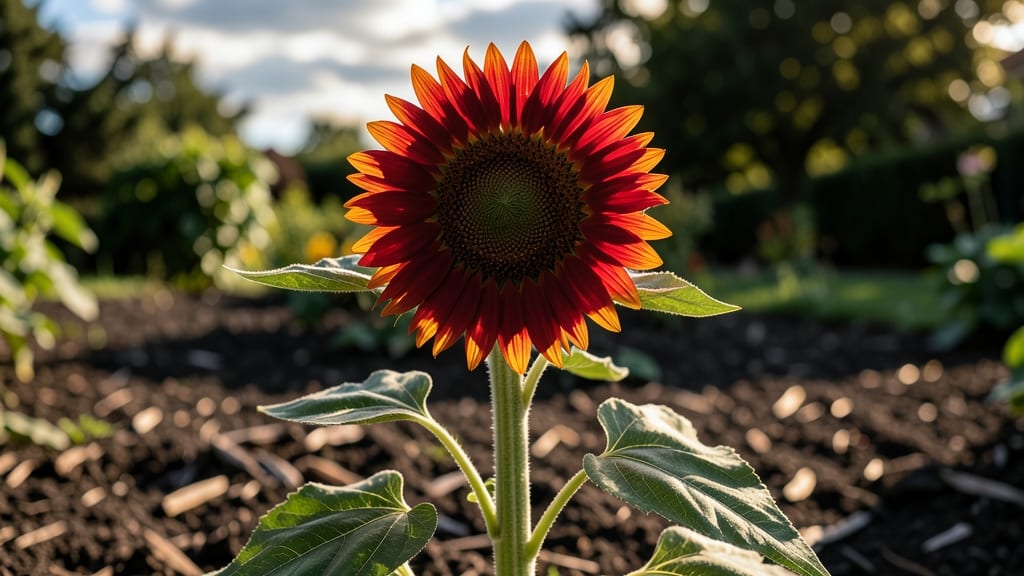
The Red Sun sunflower can reach an impressive height of 10 to 14 feet with the right care, making it a striking centerpiece for any garden.
But if your sunflowers are staying short, you’re not alone—many gardeners miss the simple tricks that unlock their full height potential. From soil prep to sunlight secrets, I’ll show you exactly how to coax those towering stems without the guesswork.
This variety thrives in USDA Zone 6a when planted in April or May, but even the best timing won’t matter if you skip the key growing conditions. Think deep, well-drained soil, consistent moisture, and strategic support to keep them standing strong.
By the end, you’ll know how to avoid common pitfalls—like overcrowding or nutrient deficiencies—that secretly stunt growth. Ready to grow sunflowers that reach for the sky? Let’s get started.

Optimal growing conditions for maximum Red Sun sunflower height
The Red Sun sunflower can reach its breathtaking 10-14 foot height when you nail four critical factors: soil quality, sunlight exposure, watering consistency, and proper spacing. These elements work together like a well-oiled machine to fuel vertical growth while preventing common stunting issues like nutrient deficiencies or root competition.
Let's break down exactly what your sunflowers need to stretch toward the sky.
First, sunlight exposure is non-negotiable for these giants. The Red Sun variety demands 6+ hours of direct sunlight daily—any less and you'll see weakened stems and compromised height potential. Even partial shade can reduce mature height by 30-50%, turning your towering vision into a mere shrub.
Position your plants where they'll receive morning sun through late afternoon for best results.
| Growth Factor | Optimal Condition | Height Impact |
|---|---|---|
| Soil Type | Loamy, well-draining soil with pH 6.0-7.5 | Maximizes root depth for 12-14 ft growth |
| Sunlight | 6+ hours direct sun daily | Prevents stem weakness (30% height loss in shade) |
| Watering | 1-2 gallons weekly (deep watering) | Supports 4-6 ft growth per season |
| Spacing | 18-24 inches apart in rows | Reduces competition for 10+ ft potential |
| Fertilizer | 10-10-10 NPK every 4-6 weeks | Boosts stem strength for 2+ ft extra height |
For soil preparation, focus on creating loose, fertile ground that encourages deep root penetration. Amend heavy clay soils with compost or sand to improve drainage, while sandy soils benefit from organic matter like well-rotted manure.
Aim for a loamy texture that holds moisture without becoming waterlogged—this is crucial for supporting the heavy flower heads these giants produce. A simple soil test can reveal if you need to adjust pH levels between 6.0 and 7.5 for optimal nutrient uptake.
When it comes to watering schedules, consistency is key but overwatering is a silent growth killer. Provide 1-2 gallons of water per plant weekly, delivered at the soil base rather than overhead. Morning watering prevents fungal diseases while allowing foliage to dry quickly.
During peak summer months, increase frequency to every 3-5 days but always ensure the top 2-3 inches of soil dry between waterings to prevent root rot—a common issue that stunts growth.
Proper plant spacing often gets overlooked, yet it's one of the simplest ways to maximize height. Space your Red Sun sunflowers 18-24 inches apart in rows with 3 feet between rows. This prevents root competition that would otherwise divert energy away from vertical growth.
In crowded conditions, stems become weak and leggy, reducing mature height by up to 40%. For container growing, use at least 5-gallon pots with drainage holes to accommodate their deep root systems.
Don't underestimate the power of fertilization timing. Start with a light application of balanced 10-10-10 fertilizer when seedlings reach 4-6 inches tall, then feed every 4-6 weeks during the growing season.
Avoid high-nitrogen fertilizers which promote leafy growth at the expense of stem strength. Instead, focus on phosphorus and potassium to build sturdy stems capable of supporting those massive 12-inch flower heads at maturity.
One often-missed factor is wind protection, especially for sunflowers exceeding 8 feet. Strong winds can cause stems to bend permanently, creating a crooked growth habit that never fully recovers.
Install lightweight stakes or cages when plants reach 3 feet tall, securing them loosely to allow natural movement while preventing complete collapse. In exposed locations, consider planting near a windbreak fence or hedge to create a microclimate that supports straight, vertical growth.
Remember that temperature extremes also play a role in height development. While Red Sun sunflowers thrive in USDA zones 2-11, they perform best in moderate climates where daytime temperatures stay between 70-85°F.
Heatwaves above 90°F can cause bolting (rapid stem elongation) that weakens structural integrity, while nights below 50°F slow growth completely. Choose planting dates that align with your local last frost date for optimal seasonal development.
By combining these optimal conditions—full sun exposure, well-draining soil, consistent watering, and proper spacing—you'll create the perfect environment for your Red Sun sunflowers to reach their genetic height potential.
The result? Stunning 10-14 foot giants that become the centerpiece of your garden and provide years of conversation-starting beauty.
Step-by-step pruning and support techniques to boost height
Your Red Sun sunflower can reach its 10-14 foot potential with the right support and pruning. Without proper care, even the sturdiest stems may topple under their own weight or produce weak blooms. The key is balancing structural support with strategic pruning to encourage vertical growth while preventing stress.
Start by assessing your sunflower’s growth stage. Young plants (under 2 feet) need gentle guidance, while mature stems (over 4 feet) require stronger support systems. I’ve found that combining staking techniques with selective pruning yields the best results—let me show you how to do it right.
Timing is everything when it comes to pruning. I’ve learned that late afternoon is the best time to prune—it gives the plant a few hours of sunlight to recover before nightfall.
Also, never prune in wet conditions, as this increases the risk of fungal infections like powdery mildew, which can weaken stems and reduce height potential.
For wind-prone areas, consider adding a second stake at a 45-degree angle to create a tripod effect. This distributes weight more evenly and prevents the classic "leaning tower" look.
I’ve seen Red Sun sunflowers in my garden grow an extra 2-3 feet taller with this simple modification during stormy seasons.
Remember, the goal isn’t just height—it’s healthy growth. If your sunflower starts to yellow at the base or develop soft stems, it’s a sign of over-pruning or poor support. Adjust your approach and watch your sunflowers reach their genetic height potential without compromising their structural integrity. 🌻